


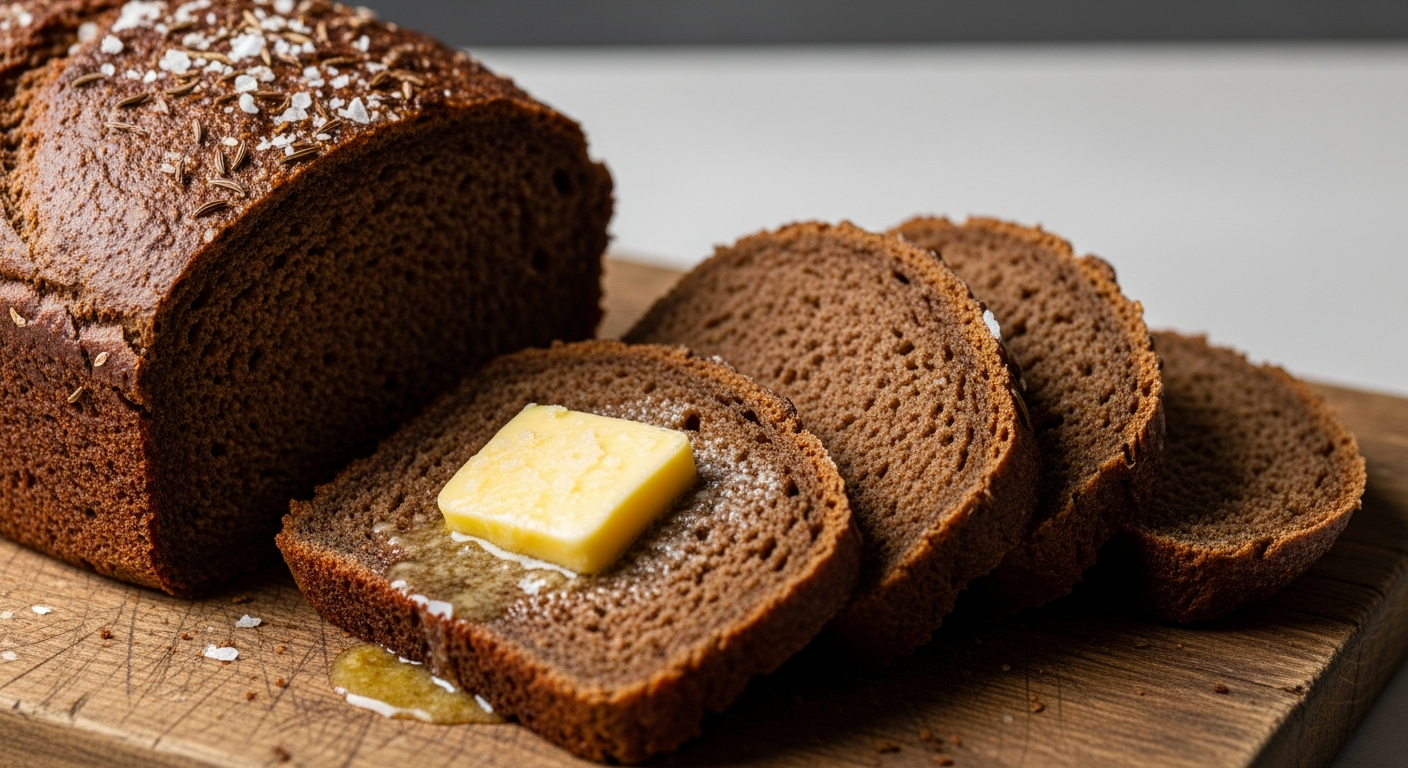
In a world where artisanal breads frequently enough take the spotlight with their crusty exteriors and airy crumbs, there exists a humble classic that invites us to slow down and savor every bite: steamed dense dark rye bread. This unassuming loaf, rich in history and flavor, transforms customary rye bread into a moist, tender delight through the centuries-old technique of steaming rather than baking. More than just a staple, steamed dense dark rye bread is a bridge between age-old culinary customs and contemporary cravings for texture and depth. Join us as we explore how this unique preparation honors heritage while tantalizing modern palates,revealing a bread that is as much a story as it is a sensory experience.
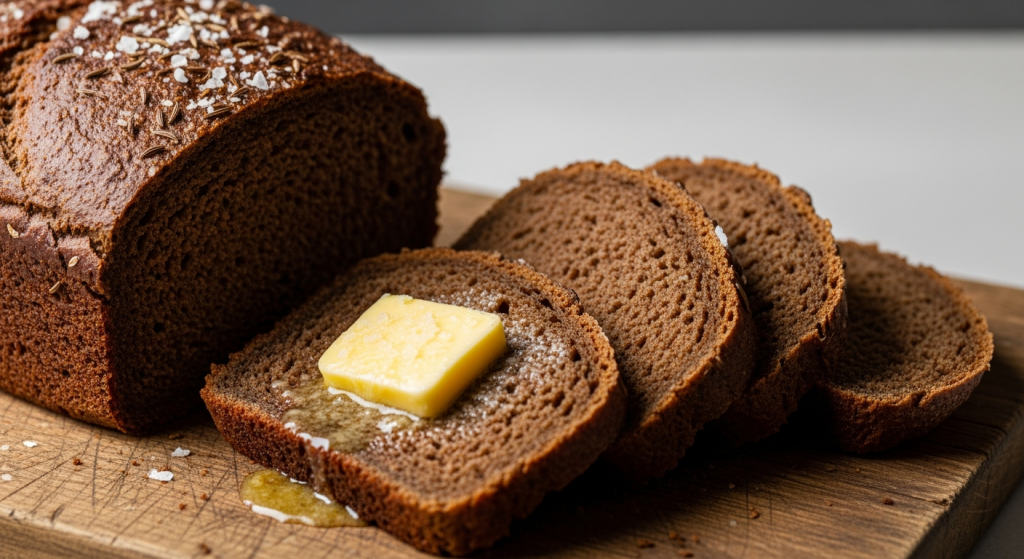
Steamed dense dark rye bread offers a remarkable journey through centuries of baking heritage, weaving tradition with a unique texture that captivates both the palate and the senses.This loaf’s rich, deep color and moist crumb tell a story of time-honored techniques, especially the art of steaming, which unlocks unparalleled softness without sacrificing the bread’s signature hearty bite. As you embrace this recipe, expect a slice that balances rustic authenticity with a tender crumb, inviting you to savor every bite both for its complex flavor and nourishing qualities.
Prep and Cook Time
- Preparation time: 30 minutes
- Rising time: 3 hours (including bulk and final proof)
- Cooking (steaming) time: 50 minutes
- Total time: Approximately 4 hours 20 minutes
Yield
1 large loaf, approximately 12 servings
Difficulty Level
Medium – Perfect for enthusiastic home bakers familiar with yeast bread techniques
Ingredients
- 2 ½ cups dark rye flour, sifted
- 1 cup whole wheat flour
- 1 cup warm water (105-110°F / 40-43°C)
- 2 tsp instant dry yeast
- 1 tbsp molasses (for natural sweetness and depth)
- 1 tsp fine sea salt
- 1 tbsp apple cider vinegar (balances acidity and enhances shelf life)
- 2 tbsp vegetable oil (neutral, for moist crumb)
- Optional: 1 tbsp caraway seeds (for an aromatic, traditional touch)
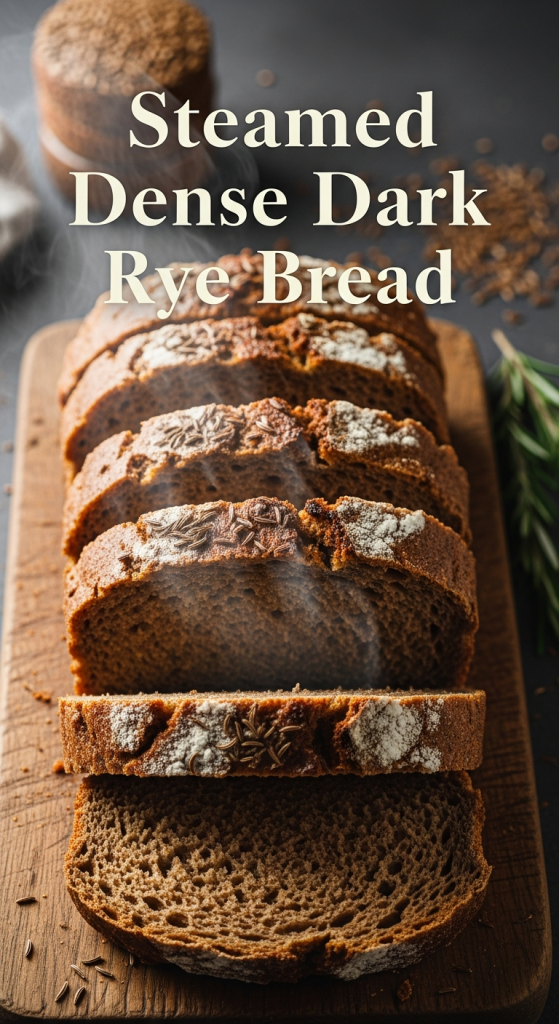
Instructions
- Activate the yeast: in a small bowl, combine the warm water, molasses, and yeast. Stir gently and let it rest for 5-7 minutes until foamy, signaling the yeast is alive and active.
- Mix the dry ingredients: In a large mixing bowl, whisk together the dark rye flour, whole wheat flour, salt, and caraway seeds if using.
- Combine wet and dry: Make a well in the dry ingredients and pour in the yeast mixture,apple cider vinegar,and vegetable oil. Use a wooden spoon or dough hook to mix until you achieve a thick, sticky dough.Rye dough will be denser and less elastic than wheat dough-this is normal.
- Bulk fermentation: Cover the bowl with a damp cloth or plastic wrap and leave it in a warm spot for 1½ to 2 hours until slightly puffed and airy. This slow rise permits flavor advancement.
- Shape the loaf: Lightly flour your hands and a work surface. Gently fold the dough onto itself to shape into a round or oval loaf, being careful not to overhandle. Place it seam-side down in a well-oiled, heatproof steaming basket or cake pan lined with parchment paper.
- Final proof: Cover with a clean towel and allow the dough to rise for another hour until just about doubled in volume.
- Prepare the steamer: Fill a large pot with about 2 inches of water and bring to a gentle simmer. Position a steam rack or heatproof plate at the bottom.
- Steam the bread: Transfer the basket or pan into the steamer, cover tightly (using a lid or foil), and steam for 50 minutes. Check the water level occasionally, replenishing with hot water if necesary to maintain steam.
- Cool down: Carefully remove the loaf and allow it to cool completely on a wire rack before slicing. Cooling ensures the crumb sets and the texture perfects.
Tips for Success: Crafting Your Steamed Dense Dark rye Bread
- Consistency is key: Rye dough is naturally stickier and less elastic than wheat dough,so resist adding too much extra flour during mixing. It should feel tacky but manageable.
- Use quality rye flour: Dark rye flours vary in coarseness and flavor – opt for freshly milled or high-quality dark rye for the best aromatic profile.
- Perfect the steam: Maintaining a steady steam is crucial. Avoid opening the lid during the steaming process to prevent heat loss and inconsistent rising.
- Make ahead: This bread can be baked in advance and refrigerated; just warm gently before serving to revive its soft texture.
- Flavor variations: Incorporate toasted nuts or dried fruit (such as raisins or chopped dates) for a sweet-savory twist. Add seeds like flax or sunflower for added crunch and nutrition.
Serving Suggestions
Steamed dense dark rye bread shines brightest when paired with simple, fresh ingredients that enhance rather than overpower its bold flavor. Slice thickly and serve with creamy, softened European-style butter, or slather with a dollop of tangy sour cream and a sprinkle of fresh dill. Its moist crumb makes it an excellent vessel for open-faced sandwiches topped with smoked salmon alternatives like smoked trout or roasted vegetables.
For a rustic touch, garnish with a scattering of caraway seeds or a light brush of honey-infused butter for a nuanced sweetness. Pair your bread with crisp pickles, robust cheese, or a hearty lentil stew to round out a comforting, wholesome meal.
| Nutritional Info (per serving) | Calories | Protein | Carbohydrates | Fat |
|---|---|---|---|---|
| Steamed Dense Dark Rye bread | 130 kcal | 4 g | 25 g | 2 g |
Delving deeper into the legacy of this unique loaf opens a world of subtle complexities-both in its past importance and its nutritional virtues. Rye bread’s dense nature comes packed with fiber, essential minerals like magnesium and iron, and a lower glycemic index compared to wheat breads, making it a sustainable and healthful choice.
For further inspiration on hearty, traditional bread recipes, explore our collection of classic Scandinavian breads. Additionally, to deepen your understanding of rye’s nutritional advantages, the British Nutrition Foundation offers an authoritative overview.
Q&A
Q&A: Steamed Dense Dark Rye Bread: Tradition Meets Texture
Q1: What makes steamed dense dark rye bread different from other rye breads?
A1: Unlike the typical oven-baked rye breads that develop a crusty exterior, steamed dense dark rye bread is cooked using steam, which creates a uniquely moist and tender crumb. This method preserves the dark, earthy flavors of the rye while giving the bread a pleasantly dense yet soft texture that feels almost velvety on the palate.
Q2: Where does this tradition of steaming rye bread originate?
A2: Steamed rye bread has roots in several Northern and Eastern European cultures, where rye grains thrived in colder climates. Countries like Finland and Russia have long cherished steamed rye bread, using local grains and time-honored techniques to craft loaves that balance nourishment and comfort – perfect for harsh winters.
Q3: How does steaming impact the flavors of dense dark rye bread?
A3: Steaming locks in moisture and prevents the Maillard reaction-the browning that happens with dry heat-resulting in a bread that is deep, malty, and earthy without any crisp crust. This enhances the natural robust flavor of rye, creating an intensely flavorful bread that is both hearty and surprisingly light in its mouthfeel.
Q4: What are the key ingredients in making traditional steamed dense dark rye bread?
A4: The foundation is dark rye flour, frequently enough supplemented with whole rye kernels or sourdough starter to add complexity. Water and salt are essential, with sometimes a touch of molasses or malt syrup to deepen the color and add subtle sweetness. No fats or sugars overpower the rye’s natural character-simplicity is the secret.
Q5: Can homemade steamed rye bread be achieved without special equipment?
A5: Absolutely! While professional bakers might use specialized steam ovens, home cooks can replicate the process using a large covered pot or a steamer basket over boiling water. The key is to maintain a gentle steam environment to cook the dough thoroughly without drying it out.
Q6: How is this bread traditionally served or enjoyed?
A6: Steamed dense dark rye bread pairs beautifully with rustic cheeses, hearty vegetable spreads, or a smear of tangy mustard. Its also a favored companion for pickled vegetables or robust mushroom dishes, where its dense texture complements bold, earthy flavors.
Q7: What makes dense dark rye bread a good choice for modern diets?
A7: Rye is rich in dietary fiber, vitamins, and minerals, and the traditional sourdough fermentation used in many steamed rye recipes enhances digestibility. The slow, moist cooking process preserves nutrients and helps maintain a low glycemic index, making it a satisfying and healthful bread choice.
Q8: Are there creative twists on steamed dense dark rye bread that still honor tradition?
A8: Certainly! Some bakers incorporate toasted caraway seeds or dried fruit like plums and figs to add bursts of flavor and texture. Others experiment with blending rye with whole grain flours or adding fermented rye flakes to intensify the bread’s rustic heritage while introducing playful new notes.
Q9: What texture experience can one expect when biting into steamed dense dark rye bread?
A9: Expect a dense,moist crumb that yields softly with each bite-significant yet not heavy. The bread carries a comforting chewiness,balanced by a gentle springiness from the steam baking. It’s a textural embrace, satisfying both in heartiness and tenderness.
Q10: How can one store steamed dense dark rye bread to preserve its unique qualities?
A10: Because of its moisture-rich crumb,this bread is best stored wrapped in a breathable cloth at room temperature to avoid sogginess. For longer storage, it freezes well – slice first, then freeze in airtight bags so you can enjoy piece-by-piece without sacrificing texture or flavor. Reheating lightly steamed slices revitalizes its tender softness.
To Conclude
In the world of bread, where countless varieties vie for attention, steamed dense dark rye bread stands apart-a harmonious marriage of time-honored tradition and unique texture. Its rich, hearty crumb tells stories of ancient grains and bygone baking methods, while its gentle steaming process invites a softness that surprises the palate. Embracing this bread is more than a culinary choice; it’s a step into cultural heritage, a celebration of patience and craftsmanship that transforms humble ingredients into something truly memorable.
Whether you’re a seasoned rye enthusiast or a curious newcomer, letting steamed dense dark rye bread grace your table is an invitation to savor history, one dense, tender slice at a time.