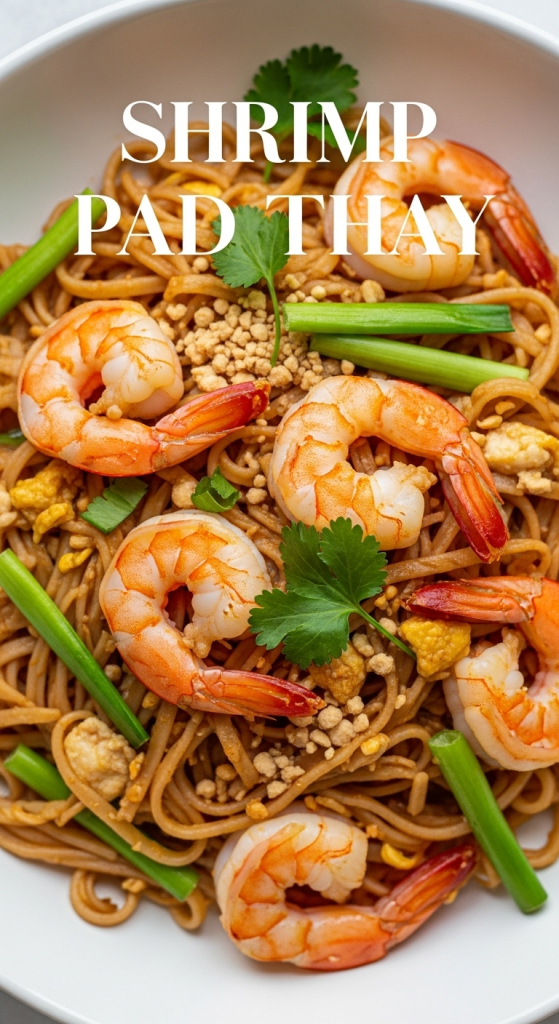
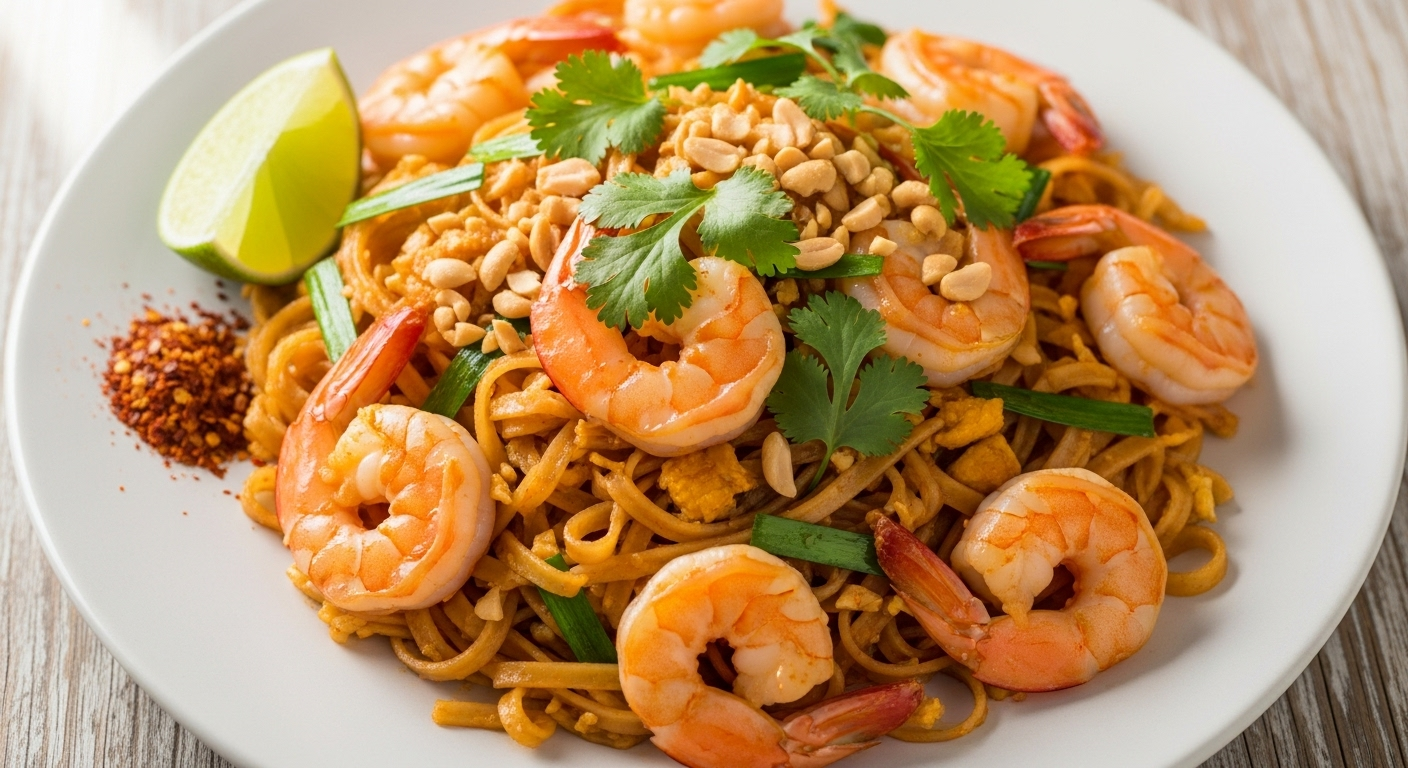
In the bustling streets of Thailand,where aromas of sizzling spices mingle with the vibrant chatter of market vendors,Shrimp Pad Thai reigns supreme as a beloved culinary icon. This dish is more than just a meal-it’s a flavorful journey through the heart of Thai cuisine, weaving together a symphony of sweet, sour, salty, and umami notes. From the tender, succulent shrimp to the crispy peanuts and the tangy tamarind sauce, each bite tells a story steeped in tradition and bursting with character.
Join us as we dive into the origins, ingredients, and techniques behind Shrimp Pad Thai, unlocking the secrets that have made it a timeless classic enjoyed around the globe.
The Origins and Cultural significance of Shrimp Pad Thai
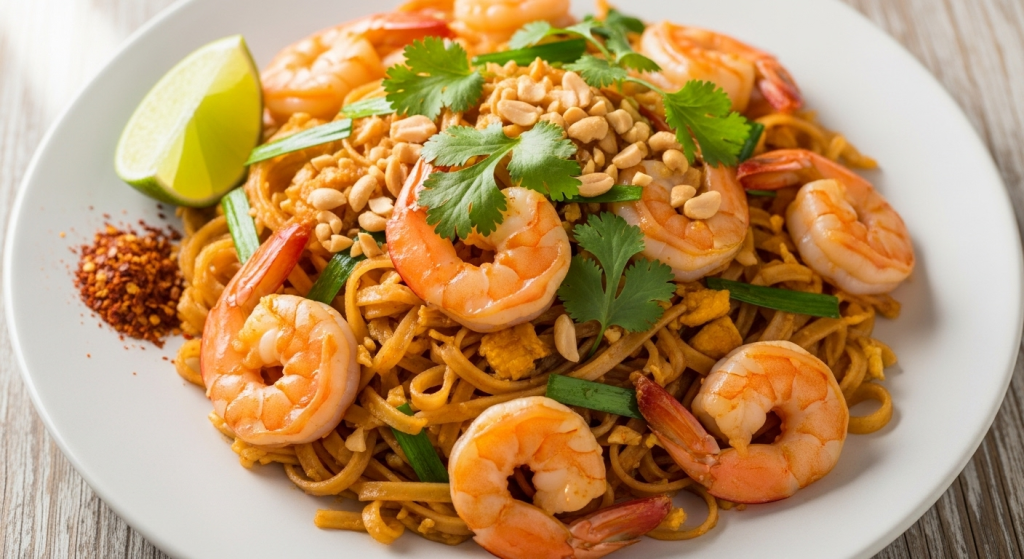
Shrimp Pad Thai is more than just a beloved Thai street food – it is a culinary emblem that gracefully embodies Thailand’s rich history and vibrant culture. Originating in the mid-20th century as part of a government initiative to promote national identity and reduce rice consumption, this harmonious noodle dish quickly captured hearts worldwide.Its fragrant layers of tamarind, lime, palm sugar, and fish sauce reflect Thailand’s genius at balancing complex flavors, while the addition of shrimp adds a fresh seaside charm that pays homage to Thailand’s coastal bounty.
This dish is often served during family gatherings and festivals, symbolizing prosperity and togetherness through its colorful, communal presentation. mastering Shrimp Pad Thai isn’t simply about cooking-it’s about connecting to a legacy of flavour craftsmanship and cultural narrative.
Mastering the Perfect Balance of Flavors and Textures in Shrimp Pad Thai
At the heart of perfect Shrimp Pad Thai lies a meticulous dance of contrasting and complementary elements. The soft yet slightly chewy rice noodles serve as the canvas, soaking up the tangy-sweet tamarind sauce and savory fish sauce. Crisp bean sprouts and crunchy peanuts introduce textural bursts that enliven each bite, while luminous lime wedges offer refreshing acidity to cut through richness.The succulent shrimp contribute a tender and subtly briny protein that elevates the dish’s overall harmony.
Balancing acidity, sweetness, saltiness, and umami is key.Avoid overwhelming any one note; rather, aim for that silky, saucy coating that is neither to dry nor cloyingly wet. Achieving a hint of char from rapid stir-frying adds welcome smokiness, making the sensory experience truly memorable.
Essential Ingredients and Techniques for Authentic Shrimp Pad Thai
using high-quality ingredients for Shrimp Pad Thai is crucial to capture its authentic essence. The foundation starts with rice noodles ideally soaked until pliable but not mushy. Fresh shrimp,peeled and deveined,provide the star protein. The unique character comes from freshly prepared tamarind paste and balanced seasoning with palm sugar and fish sauce-the backbone of a true thai flavor profile. Aromatics like garlic and shallots build depth, while eggs add silkiness and richness.
Technique-wise, it’s vital to cook over high heat using a well-seasoned wok or a non-stick pan to achieve those coveted caramelized edges. Start by swiftly stir-frying the aromatics and shrimp, then introduce softened noodles and sauce before tossing everything briskly. fold in the eggs at just the right moment for a light, custardy texture that melds all components together.
Top Tips for Serving and Pairing Shrimp Pad Thai at Home
Presenting Shrimp Pad Thai at home can be both a feast for the eyes and the palate. Serve it on a large, rustic plate or customary Thai-style banana leaf for visual appeal. Garnish generously with chopped roasted peanuts, fresh cilantro, and bean sprouts for crunch. Lime wedges are a must – encourage diners to squeeze fresh juice for an invigorating pop of citrus.
To complement the dish, pair Shrimp Pad Thai with a light, crisp Thai iced tea or a refreshing cucumber salad dressed with chili and lime. For an entrée style meal, serve alongside simple steamed jasmine rice and a side of mildly spicy green papaya salad (Som Tum) to balance textures and flavors. This pairing enhances the authentic dining experience right in your own kitchen.
Prep and cook Time
- Prep Time: 20 minutes
- Cook Time: 10 minutes
- Total Time: 30 minutes
Yield
- Serves 4 generous portions
Difficulty Level
- Medium – requires attention to timing and layering flavors
Ingredients
- 7 oz (200g) dried wide rice noodles, soaked in warm water for 20 minutes then drained
- 12 large shrimp, peeled and deveined
- 3 tbsp tamarind paste, diluted with 2 tbsp warm water
- 2 tbsp fish sauce
- 1 tbsp palm sugar (or light brown sugar)
- 3 tbsp vegetable oil
- 2 cloves garlic, finely minced
- 2 shallots, thinly sliced
- 2 large eggs, lightly beaten
- 1 cup fresh bean sprouts
- 1/3 cup roasted peanuts, roughly chopped
- 2 green onions, sliced diagonally
- Fresh cilantro, for garnish
- Lime wedges, for serving
- Optional: 1 dried red chili, sliced thinly for heat
Instructions
- Prepare the noodles: soak rice noodles in warm water for 20 minutes or until pliable but still firm. Drain well and set aside.
- Make the sauce: In a small bowl, whisk together tamarind paste, fish sauce, and palm sugar until smooth and sugar dissolves fully.
- Heat the wok: Place wok or large non-stick skillet on high heat. Add 2 tablespoons oil and swirl to coat.
- Sauté aromatics: Add garlic and shallots, stir-fry until fragrant and lightly golden, about 1 minute.
- Cook shrimp: Add shrimp and sauté until just pink and opaque, about 2-3 minutes.Remove and set aside to prevent overcooking.
- Scramble eggs: Add remaining 1 tablespoon oil to the hot wok. Pour in beaten eggs and quickly stir to scramble them until soft but not dry.
- Add noodles and sauce: Add soaked noodles and pour sauce evenly over them. Toss quickly using tongs or spatula to blend sauce with noodles and eggs, cooking for 2-3 minutes until noodles soften completely and absorb sauce.
- Combine shrimp and veggies: Return shrimp to wok, add bean sprouts and green onions, tossing gently to combine and warm through.
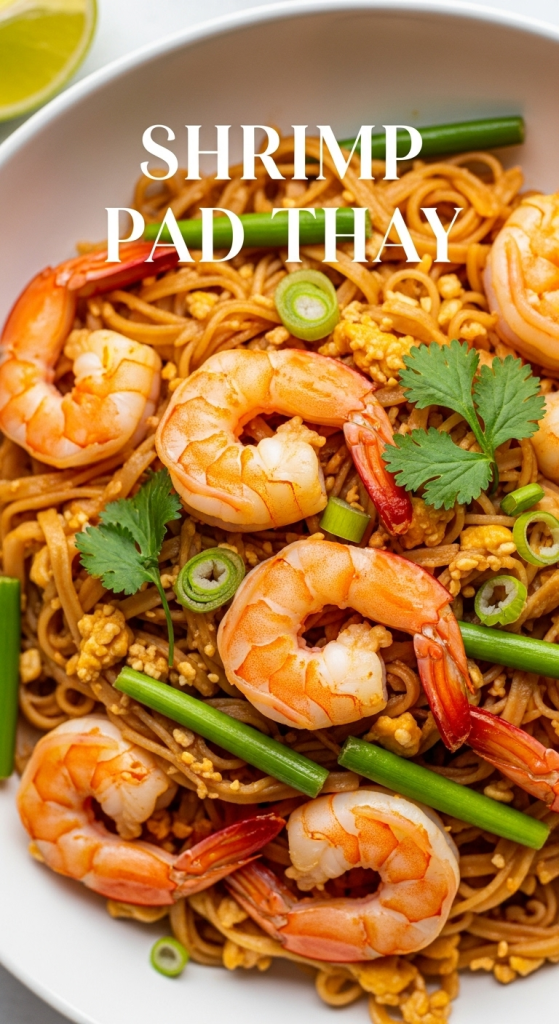
- Plate and garnish: Serve immediately topped with chopped peanuts, fresh cilantro, additional bean sprouts, and lime wedges on the side.
Chef’s Notes
- Ingredient authenticity: Use genuine tamarind paste for the signature tang. Substitute with equal parts lime juice and brown sugar only if unavailable, but flavor will be less complex.
- Noodle choice: Choose wide rice noodles rather than thin vermicelli for authentic mouthfeel and texture.
- Protein variations: Shrimp is classic, but chicken or tofu work well as alternatives, keeping seafood-free options in mind.
- Heat level: Adjust chili quantity to taste or omit for a mild version.
- Make-ahead tips: Prepare sauce and soak noodles ahead of time. Combine and cook just before serving for freshest results.
Serving Suggestions
Serve Shrimp Pad Thai hot and freshly tossed for the best texture contrast. Garnish liberally with crunchy peanuts for added depth and a squeeze of lime to cut through the savory richness. Pair with a cold Thai iced tea or a light cucumber salad to refresh the palate. For an appealing presentation, arrange bean sprouts and herbs on the side, allowing diners to customize their bowl.
| Nutrient | Per Serving |
|---|---|
| Calories | 410 kcal |
| Protein | 28 g |
| Carbohydrates | 48 g |
| Fat | 12 g |
Discover more Thai classics and elevate your home-cooking skills with our thai Green Curry Recipe.
For a deeper dive into the cultural backdrop of Thai cuisine, visit the Tourism Authority of Thailand.
Q&A
Q&A: Shrimp Pad Thai - A Flavorful Journey Through Thai Classics
Q1: What makes Shrimp Pad Thai a quintessential Thai dish?
A1: Shrimp Pad Thai embodies the perfect harmony of flavors that define Thai cuisine-sweet, sour, salty, and a hint of spice. Its vibrant palette of ingredients like tamarind paste,fish sauce,palm sugar,fresh lime,and crunchy peanuts narrates a story of tradition and balance,making it a beloved staple both in Thailand and worldwide.
Q2: how do the shrimp elevate the classic Pad Thai experience?
A2: Shrimp add a delicate sweetness and a tender texture that complement the chewy rice noodles and crisp vegetables.Their ocean-fresh flavor brings a refreshing brightness,providing a delightful contrast to the rich,savory sauce,making each bite a celebration of the sea meeting the land.
Q3: Can you describe the core ingredients that create an authentic Shrimp Pad Thai?
A3: At its heart, authentic Shrimp Pad Thai features stir-fried rice noodles, plump shrimp, scrambled eggs, bean sprouts, garlic chives, crushed roasted peanuts, and a sauce crafted from tamarind paste, fish sauce, palm sugar, and fresh lime juice. This blend produces a savory-sweet tang that’s unmistakably Pad thai.
Q4: What techniques are essential for preparing perfect Shrimp Pad Thai?
A4: Mastering Shrimp Pad Thai requires high heat and quick stir-frying to preserve the shrimp’s juiciness and keep noodles tender yet slightly chewy. Timing is crucial: shrimp should be added just when they turn pink, and the sauce tossed in quickly to coat every strand of noodle without becoming soggy.
Q5: How can someone customize Shrimp Pad Thai while keeping it authentic?
A5: Authenticity doesn’t mean rigidity. You can adjust the heat level with fresh chili or chili flakes, add extra lime juice for brightness, or toss in more crushed peanuts for texture. But staying true to the essential balance of tamarind’s tang, palm sugar’s sweetness, and fish sauce’s saltiness is key to preserving its classic soul.
Q6: What cultural significance does Pad Thai have in Thailand?
A6: pad Thai isn’t just food; it’s a symbol of Thai resilience and identity. Popularized during the mid-20th century to promote nationalism and economic recovery, it has as become a unifying dish beloved in street markets and fine dining alike, showcasing Thailand’s culinary ingenuity and hospitable spirit.
Q7: are there any tips for sourcing ingredients for Shrimp Pad Thai outside of Thailand?
A7: Absolutely! Look for tamarind paste in Asian grocery stores or online, and opt for good-quality fish sauce as it forms the backbone of the dish. Fresh shrimp is best, but frozen peeled shrimp works well too. Don’t forget roasted peanuts-they add that signature crunch. Rice noodles are usually labeled “Pad Thai” or ”rice stick noodles.”
Q8: How does Shrimp Pad Thai reflect the harmony typical in Thai cuisine?
A8: Thai cooking is all about balance-shrimp’s natural sweetness pairs seamlessly with the sour tamarind sauce,the salty fish sauce,the sweet palm sugar,and the earthy peanuts. Each ingredient supports the others, creating a dish that sings in every bite, making Shrimp Pad Thai a true testament to the country’s culinary philosophy.
This Q&A captures the essence of Shrimp Pad Thai as both a tasty dish and a cultural treasure, guiding readers through the flavors and traditions that make it so special.
Final Thoughts
As the final strands of rice noodles intertwine with succulent shrimp and vibrant herbs, Shrimp Pad Thai stands not just as a dish, but as a flavorful journey through the heart of Thai culinary tradition. Each bite invites you to savor the delicate balance of sweet, sour, salty, and spicy notes that have enchanted palates for generations. Whether enjoyed at a bustling street market in Bangkok or recreated in your own kitchen, this classic embodies the spirit of Thailand’s rich food heritage.
So next time you crave a meal that tells a story with every forkful, let Shrimp Pad Thai transport you to the vibrant streets where flavor and culture dance in harmonious delight.