

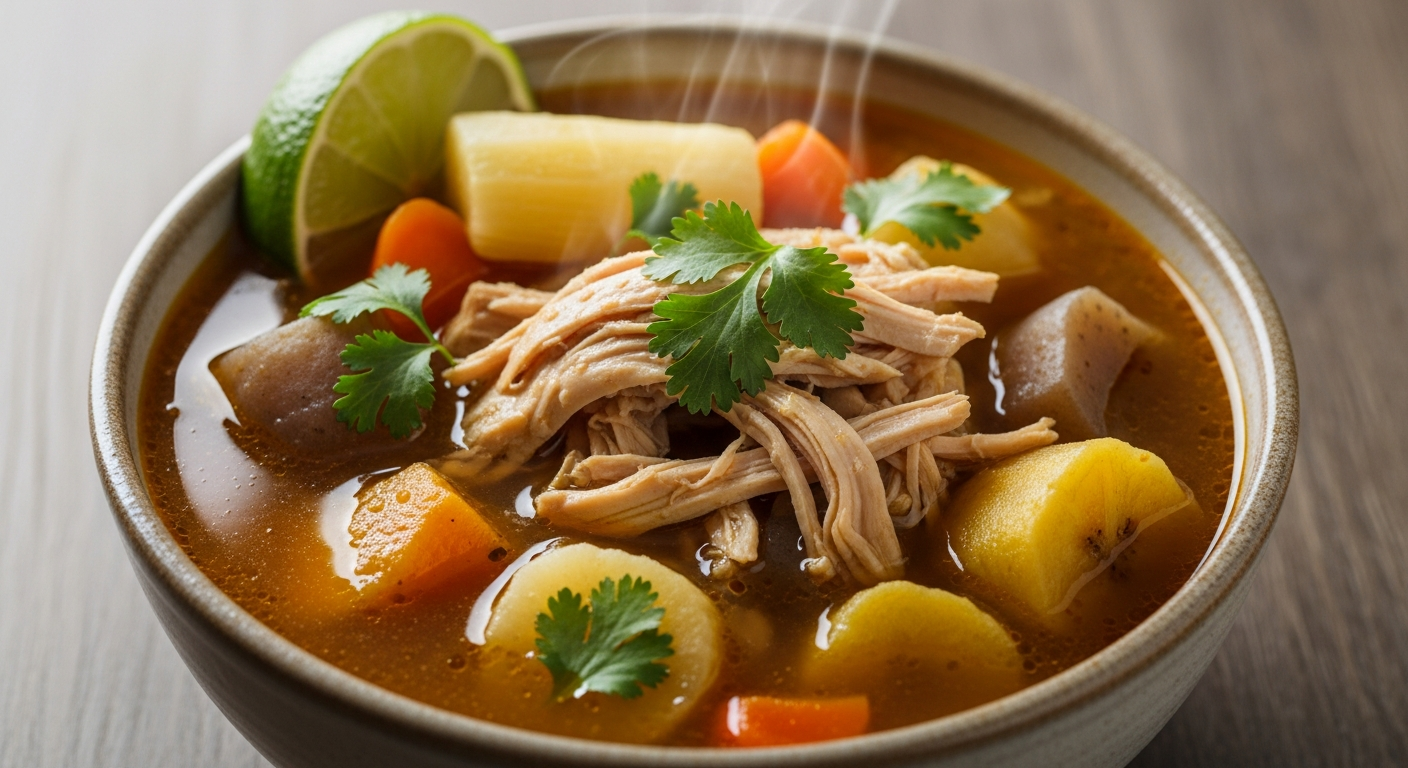
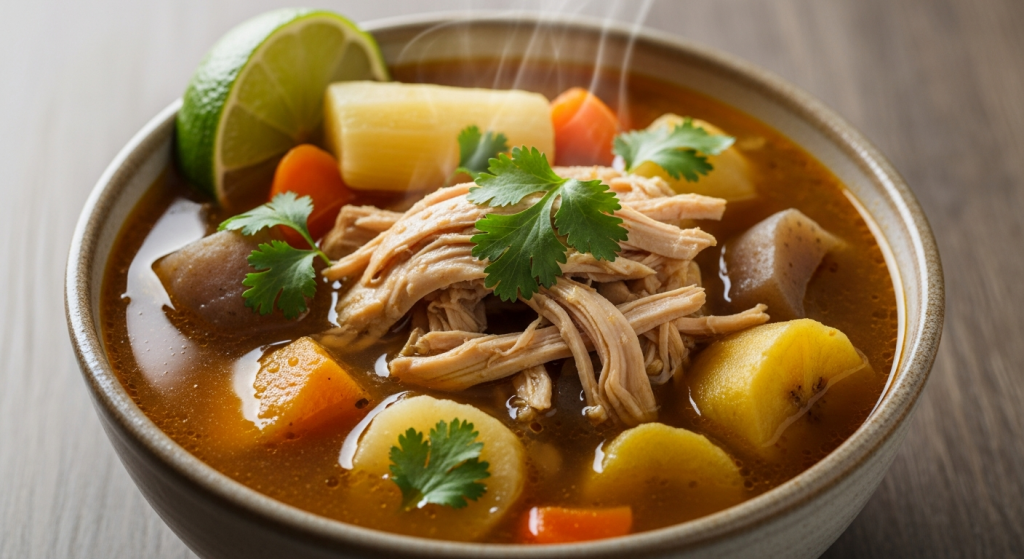
There’s a comforting magic in a steaming bowl of sancocho, the hearty Dominican chicken and veggie soup that warms both body and soul. More than just a dish, sancocho is a vibrant festivity of flavors and traditions, a kaleidoscope of colorful vegetables, tender chicken, and aromatic herbs, simmered too perfection. Whether served as a festive centerpiece or a cozy weeknight meal, this classic comfort food invites you to explore the rich culinary heritage of the Dominican Republic-one savory spoonful at a time. in this guide, we’ll uncover the secrets to crafting your own Sancocho-style broth, balancing simplicity with boldness, and bringing a taste of Caribbean sunshine right to your kitchen.
Sancocho-style: classic Dominican chicken & veggie soup guide brings to life one of the most beloved dishes in Dominican Republic cuisine. Rooted in the country’s rich cultural tapestry, sancocho is a hearty, soul-warming stew that masterfully blends tender cuts of chicken with an array of fresh, vibrant vegetables. This dish is more than just a meal; it’s a celebration of tradition, family, and the comforting flavors that unite generations. Growing up in a Dominican household, I remember the aromatic pot simmering for hours, filling every corner of the kitchen with hints of cilantro, garlic, and bold root vegetables-the very essence of this rustic delight.
Prep and Cook Time
- Preparation: 30 minutes
- Cooking: 1 hour 45 minutes
- Total Time: 2 hours 15 minutes
Yield
Serves 6 generously-perfect for a comforting family dinner or festive gathering.
Difficulty Level
Medium-a rewarding challenge for cooks eager to embrace authentic Dominican flavors with confidence.
Ingredients
- 2 lbs bone-in, skin-on chicken thighs and drumsticks, rinsed and patted dry
- 2 tablespoons olive oil
- 1 large white onion, chopped finely
- 4 cloves garlic, minced
- 2 medium tomatoes, diced
- 1 bell pepper (green or red), diced
- 2 medium yuca (cassava) roots, peeled and cut into 2-inch chunks
- 2 medium malanga roots, peeled and chopped
- 3 medium potatoes, peeled and cubed
- 2 ears fresh corn, sliced into 2-inch rounds
- 1 large carrot, peeled and sliced
- 1 cup chopped cilantro, stems and leaves
- 6 cups low-sodium chicken broth
- 2 cups water
- 1 tablespoon tomato paste
- 1 teaspoon ground cumin
- 1 teaspoon dried oregano
- 2 bay leaves
- Salt and freshly ground black pepper to taste
- 1 lime, quartered (for serving)
Instructions
- Prepare the chicken: In a large heavy-bottomed pot, heat olive oil over medium heat. Add the chicken thighs and drumsticks, browning on all sides for about 6-8 minutes.this caramelization locks in flavors and gives the broth depth.Remove chicken and set aside.
- Sauté the aromatics: In the same pot, add chopped onion, garlic, and bell pepper. Sauté until translucent and fragrant, about 5 minutes, stirring regularly to prevent sticking.
- Add tomatoes and tomato paste: Stir in diced tomatoes and tomato paste; cook down for 3-4 minutes until softened and slightly thickened, intensifying the stew’s savory base.
- return chicken & add seasonings: Nestle browned chicken back into the pot. Sprinkle in cumin, oregano, salt, pepper, and bay leaves. Pour in chicken broth and water, bringing the mixture to a gentle boil.
- Simmer the broth: Lower heat to maintain a steady simmer, cover partially, and cook for 45 minutes. This slow cooking enriches the broth and imbues the chicken with aromatic spices.
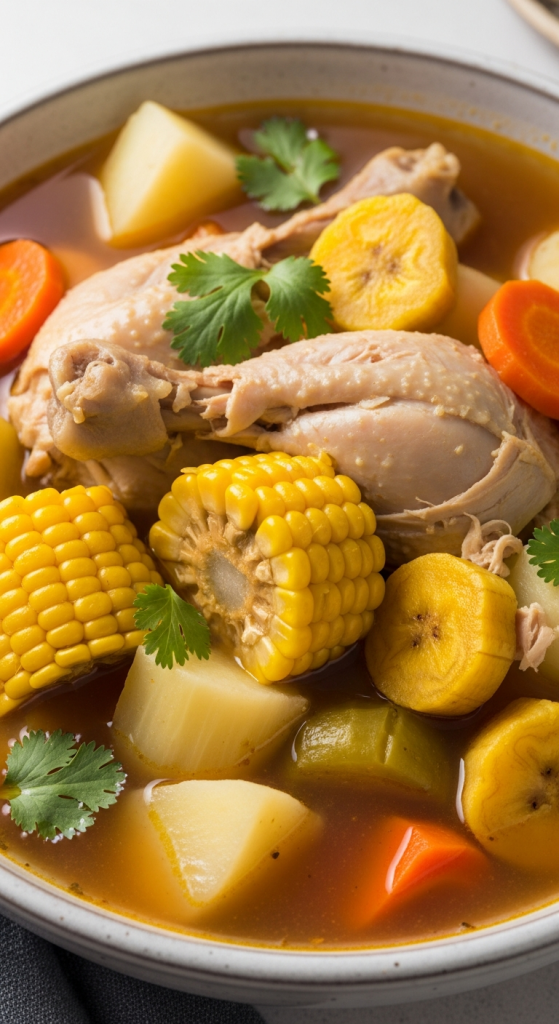
- add root vegetables: Add yuca, malanga, potatoes, carrot, and corn. Continue simmering uncovered for another 40 minutes or until the vegetables are tender but not mushy.Stir occasionally to prevent sticking.
- finish with fresh herbs: Just before serving, stir in the chopped cilantro to lift brightness and an unmistakable Dominican flair.
- Adjust seasoning: Taste the broth and add salt or pepper as needed. Remove bay leaves.
- Serve hot: Ladle the sancocho into deep bowls, garnish with lime wedges for a zesty finish.
Tips for Success
- Choosing the chicken: Bone-in, skin-on cuts are key to extracting flavor.Avoid boneless or skinless cuts, as they result in a less rich broth.
- Root vegetables: Variations like taro or pumpkin can substitute malanga and potatoes, adding complexity.
- Enhance the broth: Use homemade or high-quality chicken broth to elevate the savory foundation.
- Make-ahead: Sancocho tastes even better the next day, allowing flavors to meld. refrigerate and gently reheat before serving.
- Spice adjustments: Feel free to add a pinch of smoked paprika for warmth or a touch of chili flakes if you prefer mild heat.
Serving Suggestions and Pairings
Delight in serving your sancocho with fluffy white rice or a simple avocado salad to balance the hearty richness. Garnish with freshly chopped cilantro and a generous squeeze of lime for that vibrant, zesty kick that cuts through the stew’s depth. For an authentic Dominican table, accompany it with mangu – mashed green plantains, or some warm, crusty bread to soak up every last drop of the luscious broth.
To enrich your experience with sancocho-style: classic Dominican chicken & veggie soup guide, consider pairing with a refreshing side of tropical fruit salad or lightly pickled onions, adding sweet and tangy contrasts that brighten every bite.
Discover more about chicken broth benefits on the Healthline nutrition site.
| Nutrient | Per Serving |
|---|---|
| calories | 370 kcal |
| Protein | 35 g |
| carbohydrates | 30 g |
| Fat | 12 g |
Q&A
Q&A: Sancocho-Style: Classic Dominican Chicken & Veggie Soup Guide
Q1: What exactly is Sancocho, and why is it so beloved in Dominican cuisine?
A: Sancocho is a hearty, soul-warming stew that’s often regarded as the heart of Dominican home cooking. Picture a bubbling pot filled with tender chicken, vibrant root vegetables, and fragrant herbs – it’s the ultimate comfort food, bringing families together around the table with every savory spoonful. Its rich layers of flavor celebrate the island’s agricultural bounty and cultural heritage.
Q2: What makes the Dominican version of Sancocho unique compared to other Caribbean stews?
A: Dominican Sancocho stands out with its vibrant medley of tubers like yuca, plantains, and ñame, paired with fresh chicken and a signature blend of herbs and spices. Unlike simpler broths, it offers a luxurious texture and complex flavor profile, often balancing savory and slightly tangy notes, capturing the essence of Dominican life in every bowl.
Q3: How do you select the ideal vegetables for an authentic Sancocho?
A: The magic is in the mix! Opt for starchy roots like yuca and potatoes,along with green plantains for that subtle firmness and natural sweetness. Carrots,corn on the cob,and pumpkin add layers of color and earthy nuances. Freshness is key – using vibrant, firm veggies ensures both texture and nutritional richness.
Q4: Which chicken cuts are best for making Sancocho?
A: Bone-in, skin-on pieces like thighs and drumsticks lend deep flavor and remain juicy after slow simmering. The bones enrich the broth with natural gelatins, creating that silky mouthfeel. Plus, the skin melts into the stew, adding a subtle depth that’s hard to mimic with boneless cuts.Q5: can I enhance Sancocho’s flavor without overwhelming the traditional taste?
A: Absolutely! Stick to aromatic basics like garlic, onions, cilantro, and bitter orange or lime juice for a zesty kick. A touch of oregano and freshly cracked black pepper can elevate the profile without masking the authentic essence. The key is balance – each ingredient should complement, not compete.
Q6: How long should Sancocho simmer to get that perfect harmony of flavors?
A: Slow and steady wins the race. Simmering for about 1.5 to 2 hours allows vegetables to soften just right and chicken to fall off the bone, all while the broth deepens into a golden, flavorful elixir. Patience yields that signature richness you crave.
Q7: Is Sancocho typically served on special occasions or as everyday fare?
A: While it’s a treasured celebratory dish for gatherings and holidays, manny Dominican households enjoy Sancocho as a nourishing weekend meal. It’s ideal for feeding a crowd or simply indulging in a bowl that warms both body and soul.
Q8: What are some traditional accompaniments to serve alongside Sancocho?
A: A side of white rice is classic, perfect for soaking up the vibrant broth. Fresh avocado slices or simple garden salads add refreshing contrast. For a bit of traditional flair, try tostones (fried green plantains), which provide a crispy counterbalance to the stew’s tender ingredients.
Q9: Can Sancocho be adapted for a vegetarian diet without losing its essence?
A: While the classic calls for chicken, vegetarians can craft a satisfying version using hearty mushrooms and beans, coupled with the same array of roots and spices. Use vegetable broth as the base to keep things flavorful and comforting. Although it diverges from tradition, the spirit of Sancocho – a celebration of wholesome, robust ingredients – remains intact.
Q10: What’s the best way to store and reheat leftover Sancocho?
A: Store leftovers in airtight containers in the refrigerator for up to 3 days, or freeze for longer preservation. When reheating, gently warm on the stovetop over low heat to maintain texture and flavor, stirring occasionally. You might find the flavors even deepen overnight, making subsequent servings even more delicious.
There you have it-a savory,savory dive into Dominican Sancocho that brings the tradition and taste of this iconic chicken and veggie soup right to your kitchen!
Concluding Remarks
As the rich aromas of tender chicken mingling with vibrant vegetables waft from your pot,you’ve tapped into more than just a recipe-you’ve embraced a cherished dominican tradition. Sancocho isn’t merely a soup; it’s a celebration of community, heritage, and the simple joy of sharing a hearty meal. Whether you’re a seasoned cook or a curious newcomer, this classic chicken and veggie sancocho invites you to savor the layers of flavor and culture simmering beneath its surface.
So next time life calls for comfort in a bowl, remember: a hearty ladle of Sancocho-style goodness is more than nourishment-it’s a warm embrace from the heart of the Caribbean.