
As the summer sun blazes overhead and the air hums with warmth, few dishes offer a more perfect antidote than Spanish gazpacho. This vibrant, chilled tomato soup bursts with the fresh, sun-ripened flavors of garden vegetables, delivering a refreshing escape from the heat in every spoonful. More than just a cold soup, gazpacho is a centuries-old culinary tradition that marries simplicity with bold, invigorating taste. Whether sipped as a light appetizer or enjoyed as a cooling main course, refreshing Spanish gazpacho invites you to savor the essence of Mediterranean summers in a single, flavorful bowl.
Origins and Cultural significance of Traditional Spanish Gazpacho
Refreshing Spanish Gazpacho is more than just a chilled tomato soup; it is a culinary emblem deeply rooted in the history and daily life of southern Spain, especially Andalusia. This vibrant dish dates back centuries, originally crafted by farmers and laborers who needed a revitalizing, cold meal during scorching summer days. Its simplicity, featuring fresh garden ingredients, reflects the Mediterranean lifestyle-one that celebrates vibrant flavors, seasonality, and communal sharing.
Gazpacho evolved from humble beginnings involving stale bread, olive oil, garlic, and water to a beautifully balanced blend of ripe tomatoes, cucumbers, bell peppers, and sherry vinegar. The combination not only honors local produce but also embodies the spirit of Spanish hospitality and festive gatherings. Traditionally enjoyed as a starter or midday refreshment, gazpacho invites you to savor the essence of Spain’s warm climate and its people’s love for colorful, healthful eating.
Key Ingredients That Bring Out the Vibrant Flavors
At the heart of Refreshing Spanish Gazpacho lies a harmony of carefully chosen, fresh ingredients that each play a vital role:
- Ripe tomatoes: The base ingredient offers natural sweetness and acidity, providing the soup’s signature red hue and juicy depth.
- Cucumber: Adds a cooling crispness that enhances the soup’s refreshing quality.
- Green bell pepper: Delivers a mild, vegetal sweetness and texture contrast.
- Red onion: Infuses subtle sharpness and complexity.
- Extra virgin olive oil: A luscious,fruity richness that balances the acidity beautifully.
- Garlic: Adds an aromatic pungency that awakens the palate.
- Sherry vinegar: provides luminous acidity that elevates all other flavors without overpowering.
- Stale bread: Incorporated traditionally to achieve the perfect creamy texture while keeping the recipe authentic.
- Sea salt and freshly ground black pepper: Essential for seasoning and bringing the ingredients to life.
Step-by-Step Guide to Crafting the Perfect Chilled Gazpacho
- Prepare vegetables: Rinse and roughly chop 2 pounds ripe tomatoes, 1 cucumber (peeled and seeded), 1 green bell pepper (seeded), and ½ small red onion for easy blending.
- Soften bread: Tear 2 cups of stale white bread, crusts removed, soak in about 1 cup cold water until softened (about 10 minutes), then squeeze gently to remove excess water.
- Combine ingredients: In a blender or food processor, add tomatoes, cucumber, bell pepper, soaked bread, 1 clove garlic, ¼ cup extra virgin olive oil, and 2 tablespoons sherry vinegar. Pulse until smooth but still with a slight texture.
- Season: Add 1 teaspoon sea salt and freshly ground black pepper to taste. Blend briefly again to integrate seasoning evenly.
- Chill: Transfer the gazpacho to a bowl or pitcher. Cover and refrigerate for at least 2 hours, allowing flavors to meld and develop.
- Adjust consistency: Before serving, stir and add cold water in small amounts if a thinner soup is desired.
Expert Tips for Garnishes and Serving Suggestions
to elevate your Refreshing Spanish Gazpacho experience, consider finishing it with textural and visual contrasts:
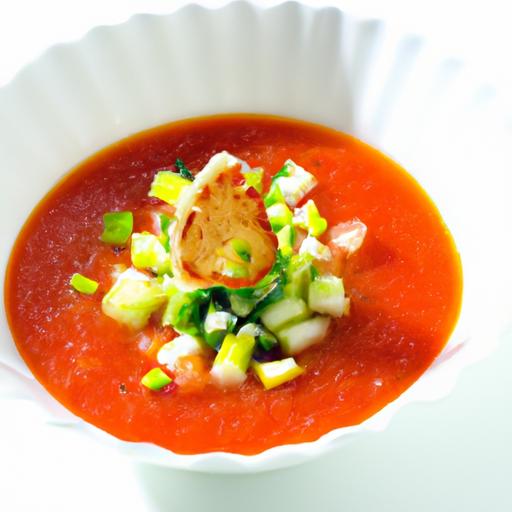
- Finely diced vegetables: Sprinkle small cubes of cucumber, tomato, and bell pepper atop each bowl for a delightful crunch.
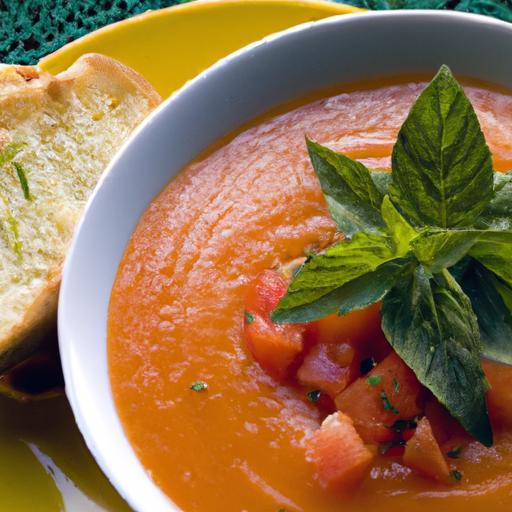
- Fresh herbs: A few sprigs of chopped chives or parsley add brightness and color.
- Olive oil drizzle: Swirl a tablespoon of high-quality extra virgin olive oil over the surface for added silkiness and aroma.
- Toasted bread croutons: Homemade garlic or herb croutons introduce heartiness and invite dipping.
- Optional toppings: For an added layer of flavor, try a few slices of ripe avocado or a dash of smoked paprika, enhancing the color and depth.
Serve chilled in clear glass bowls or tall glasses to showcase the soup’s vibrant red tone. Pair with crusty rustic bread and a light, fresh salad for a complete meal perfect for warm afternoons.
Prep and Cook Time
- Preparation: 20 minutes
- Chilling: 2 hours
- Total Time: Approximately 2 hours 20 minutes
Yield
- Serves 4-6 as a refreshing starter or light meal
Difficulty level
- Easy: No cooking required, just blending and chilling
Ingredients
- 2 pounds ripe tomatoes, chopped
- 1 medium cucumber, peeled, seeded, chopped
- 1 green bell pepper, seeded and chopped
- ½ small red onion, chopped
- 2 cups stale white bread, crusts removed, torn
- 1 cup cold water (for soaking bread)
- 1 clove garlic, peeled
- ¼ cup extra virgin olive oil
- 2 tablespoons sherry vinegar
- 1 teaspoon sea salt
- Freshly ground black pepper, to taste
Instructions
- Wash and prep your vegetables by roughly chopping them to help your blender work efficiently.
- Soak the bread in cold water until soft, then drain thoroughly to prevent a watery soup.
- Blend the tomatoes, cucumber, bell pepper, onion, soaked bread, garlic, olive oil, and vinegar until you achieve a smooth but slightly textured consistency.
- Season the mixture with salt and pepper, ensuring the flavors balance perfectly before chilling.
- Refrigerate gazpacho for at least two hours to intensify flavor and serve ice-cold refreshing soup.
- Adjust thickness with a splash of cold water if needed prior to serving.
Chef’s Notes: Tips for Success
- Use the freshest possible tomatoes: The success of this dish depends largely on ripe, sweet tomatoes bursting with flavor.
- Chill thoroughly: Never serve gazpacho warm; chilling allows the flavors to harmonize beautifully.
- Customize vinegar levels: Add sherry vinegar gradually, tasting as you go, to avoid overpowering acidity.
- Make ahead: gazpacho tastes even better the next day and can be stored in airtight containers for up to 3 days.
- Vegetarian and vegan-friendly: This recipe contains no animal products, making it perfect for diverse dietary needs.
Serving Suggestions
For an elegant presentation, ladle chilled gazpacho into crystal-clear bowls or glasses, then garnish with vibrant mini-diced cucumber, tomato, and bell pepper to boost textural contrast. Drizzle with a fine swirl of extra virgin olive oil to impart a glossy finish. Crispy homemade croutons or a sprinkling of fresh herbs like basil or chives will add aromatic appeal and subtle crunch.
Enjoy alongside a fresh artisan bread or a bright, green salad for a light, summertime meal. This refreshing soup pairs beautifully with a chilled herbal iced tea or sparkling water with lemon for a palate-awakening experience.
| nutrient | Per Serving |
|---|---|
| Calories | 120 kcal |
| Protein | 3 g |
| Carbohydrates | 15 g |
| Fat | 7 g |

For more Mediterranean-inspired recipes, explore our Mediterranean Diet Recipes. To learn about the rich history of Andalusian cuisine, visit Britannica – Gazpacho.
Q&A
Q&A: Refreshing Spanish gazpacho – Cool and Flavorful Tomato Soup
Q1: What is gazpacho and where does it originate?
A: Gazpacho is a chilled tomato-based soup that hails from the sunny region of Andalusia in southern spain. Traditionally enjoyed during hot summer months, it’s celebrated for its refreshing, vibrant flavors and revitalizing coolness.
Q2: What makes gazpacho different from other tomato soups?
A: Unlike hot tomato soups, gazpacho is served cold and blends raw vegetables rather than cooked ones. This preserves the bright, fresh taste of garden vegetables and creates a uniquely crisp and invigorating experience.
Q3: What are the essential ingredients in a classic gazpacho?
A: A classic gazpacho features ripe tomatoes, cucumbers, bell peppers, garlic, onions, olive oil, sherry vinegar (or another mild vinegar), salt, and sometimes bread for thickness. These ingredients are pureed together to form a smooth, flavorful soup that’s both light and satisfying.
Q4: How can you serve gazpacho for an appealing presentation?
A: Gazpacho is often served chilled in bowls or glasses, garnished with finely diced cucumber, chopped fresh herbs like basil or parsley, a drizzle of good-quality olive oil, and occasionally a sprinkle of crunchy croutons or toasted nuts for texture.
Q5: Can gazpacho be customized for different tastes or dietary needs?
A: Absolutely! Gazpacho is extremely versatile. You can adjust the vegetables,vinegar,or seasoning to suit your preferences. For a fruitier twist, add watermelon or strawberries. For extra kick, a pinch of cayenne or freshly ground black pepper works wonders-still keeping the soup naturally vegan and gluten-free if you skip the bread.
Q6: What is the best way to prepare gazpacho for optimal flavor?
A: For the best taste, use the freshest, ripest tomatoes you can find.Let the blended soup rest in the refrigerator for at least two hours before serving to allow the flavors to meld beautifully. Giving the mixture a quick stir or a whisk right before serving helps reincorporate any separated ingredients.
Q7: Is gazpacho suitable as a meal or just as a starter?
A: Gazpacho is quite versatile. It can be enjoyed as a light first course, a refreshing snack, or even a main dish during hot days-especially when paired with crusty bread or a simple salad. It’s both nourishing and hydrating!
Q8: how can I add texture to my gazpacho without overpowering its delicate flavors?
A: Including small diced vegetables,such as cucumbers or red bell peppers,as a topping adds delightful contrast. Toasted seeds like pumpkin or sunflower can contribute a subtle crunch while keeping the fresh flavor profile intact.
Q9: Are there any common mistakes to avoid when making gazpacho?
A: One common pitfall is using underripe or flavorless tomatoes, which dull the soup’s vibrancy. Also, over-blending can sometimes make the texture too thin-balancing blending time to keep some body is key.Lastly, don’t skip the chilling step; serving gazpacho warm defeats its refreshing purpose!
Q10: Can gazpacho be made ahead of time and stored?
A: Yes! Gazpacho actually tastes better after resting in the fridge for several hours or overnight, as the flavors deepen. Store it in an airtight container and stir well before serving. It’s ideal for busy days when you want a quick, cool meal ready to enjoy.
Key Takeaways
As the sun sets on your culinary journey thru the vibrant flavors of Spain, this refreshing gazpacho reminds us that sometimes, the simplest recipes hold the greatest charm. Cool, crisp, and bursting with the essence of ripe tomatoes and garden-fresh vegetables, this soup is more than just a dish-it’s a celebration of summer’s bounty in every spoonful. Whether enjoyed on a balmy afternoon or as a lively starter at your next gathering, gazpacho invites you to savor the art of freshness and tradition blended effortlessly. so next time the heat rises,let this colorful,flavorful tomato soup be your go-to escape-a delicious reminder that cool can be captivating too.