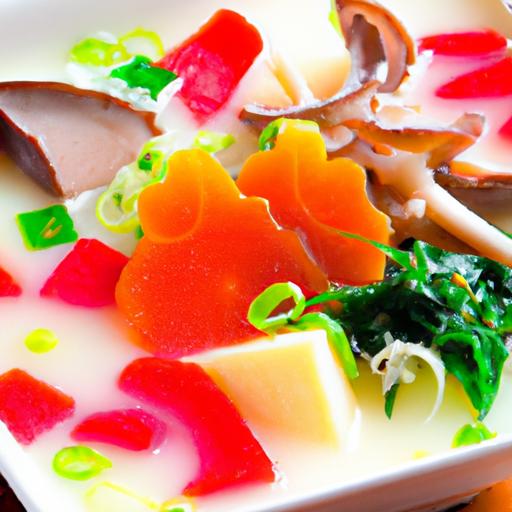


As the first light of the New Year dawns across Japan,kitchens come alive with the simmering warmth of a cherished tradition: Ozoni. this humble yet enchanting soup, brimming with delicate mochi rice cakes and seasonal ingredients, is far more than just a comforting meal-it’s a culinary tapestry woven from centuries of history, culture, and regional pride. In “Ozoni Unwrapped: Japan’s Conventional new Year Mochi Soup,” we delve into the origins, symbolism, and rich variations of this festive dish that welcomes renewal, family, and hope with every savory spoonful. Join us as we explore how Ozoni transforms the simple act of eating into a meaningful festivity of beginnings.
Ozoni Unwrapped: Japan’s Traditional New Year Mochi Soup reveals a heartwarming culinary tradition that transcends regions, evoking the hopes and flavors of a fresh start. This iconic soup, featuring soft mochi immersed in savory broth, is not only a staple of Japanese New Year’s celebrations but also an intimate glimpse into the country’s diverse culture. Each bowl tells a story, where local ingredients and customs blend harmoniously-an edible tapestry that welcomes the year with warmth and gratitude.
Prep and Cook Time
- Planning Time: 20 minutes
- Cooking Time: 30 minutes
- Total Time: 50 minutes
Yield
- Serves 4 generous bowls
Difficulty Level
- medium – ideal for home cooks ready to explore traditional Japanese flavors with approachable techniques
Ingredients
- 4 large mochi cakes (round or square, fresh or frozen)
- 6 cups dashi broth (homemade or instant)
- 200g chicken thigh, boneless and skinless, cut into bite-size pieces
- 1 cup daikon radish, peeled and sliced into half-moons
- 1 cup carrot, peeled and cut into decorative flower shapes
- 1 cup shiitake mushrooms, stems removed, sliced
- 1 cup komatsuna or spinach leaves, washed and trimmed
- 2 tbsp white miso paste
- 2 tbsp light soy sauce
- 1 tbsp mirin (Japanese sweet rice wine alternative, optional)
- Salt to taste
- Yuzu zest or thinly sliced mitsuba leaves for garnish
Instructions
- Prepare the dashi broth: If using instant dashi granules, dissolve according to package instructions in 6 cups of hot water. For an authentic touch, simmer kombu and bonito flakes for 15 minutes, then strain.
- Sauté the chicken: In a medium pot, add a splash of neutral oil over medium heat. Add chicken pieces and cook until they turn pale golden, about 5 minutes. Avoid crowding the pan to ensure even browning.
- Add vegetables: Gently stir in sliced daikon, carrot flowers, and shiitake mushrooms. sauté for 3-4 minutes to release their aroma and deepen flavors.
- Simmer the soup: Pour in the prepared dashi broth. Bring everything to a gentle boil, then reduce heat and simmer for 15 minutes or until vegetables are tender. Add white miso paste, whisking to dissolve wholly and infuse the broth with richness.
- Season your ozoni: Stir in soy sauce and mirin, then taste and adjust salt as needed.The balance should be lightly savory with a faint sweetness underpinning the broth.
- Cook the mochi: In a separate dry skillet over medium heat, toast the mochi cakes until they puff slightly and develop golden-brown spots, about 3 minutes per side. This step enhances texture and flavor.
- Heat the greens: Briefly blanch komatsuna or spinach leaves in boiling water for 30 seconds, drain well.
- Assemble the bowls: Place toasted mochi at the bottom of each serving bowl. Ladle hot soup with chicken and vegetables over the mochi, ensuring each bowl has a colorful mix.
- Garnish and serve: Finish with fresh yuzu zest or a sprinkle of mitsuba leaves for a citrusy brightness that elevates the comforting broth.
Tips for Success
- For vegetarian or pescatarian ozoni, substitute chicken with firm tofu and use kombu-bonito dashi or shiitake broth.
- Use fresh mochi whenever possible; if frozen, thaw slightly and pat dry to avoid sogginess.
- When shaping carrots into flowers, use a small cookie cutter or a sharp knife-this adds a festive visual dimension that honors the celebratory spirit.
- Make the broth a day ahead to deepen the umami character; simply reheat gently before serving.
- Explore regional variations by swapping ingredients: such as, the Kansai style typically features clear soup with square mochi, while Kanto opts for a darker soy-infused broth and round mochi.
Serving Suggestions
- Present each bowl with a pair of wooden chopsticks and matching soup spoons to savor both broth and mochi.
- Accompany ozoni with traditional New Year sides like kumquat-glazed kuromame (black soybeans) and kazunoko (herring roe) to offer a symphony of tastes and textures.
- A drizzle of yuzu kosho (citrus chili paste) on the side can add subtle heat and freshness for adventurous diners.
- Serve ozoni as part of a larger festive spread, emphasizing clean presentation with lacquered dishes and seasonal motifs.

| Nutritional Component | Per Serving |
|---|---|
| Calories | 280 kcal |
| Protein | 22 g |
| Carbohydrates | 30 g |
| Fat | 5 g |
To dive deeper into the world of Japanese culinary traditions, check out our exploration of festive dishes, and for an authoritative source on Japanese cuisine and cultural roots, visit the Japan National Tourism Association’s gastronomy guide.
Q&A
Ozoni Unwrapped: Japan’s Traditional New Year Mochi Soup – Q&A
Q1: What is Ozoni, and why is it notable in Japanese New Year celebrations?
A: Ozoni is a traditional Japanese soup enjoyed during the New Year, featuring mochi (glutinous rice cakes) as its star ingredient. It’s more than just a dish-it’s a symbol of good fortune, longevity, and family unity. Each spoonful carries wishes for a prosperous and healthy year ahead, making it a cherished ritual across Japan.
Q2: What are the key ingredients of Ozoni?
A: At its heart, Ozoni is a harmonious blend of flavorful broth, tender vegetables, and perfectly toasted or grilled mochi. Common vegetables include daikon radish, carrots, and leafy greens such as spinach or mitsuba. The broth varies regionally-some prefer a clear dashi stock made from kombu (kelp) and katsuobushi (bonito flakes), while others enjoy a richer miso base.
Q3: How dose Ozoni differ across Japan?
A: Ozoni is a delicious reflection of Japan’s regional diversity. In eastern Japan, the soup is typically clear and soy-flavored with grilled mochi that’s soft and puffy. Meanwhile, western Japan favors a white miso broth with mochi boiled until elastic and tender. Toppings and vegetables also change-from kamaboko (steamed fish cake) slices in some areas to chestnuts or taro in others-each version telling a local story.
Q4: What is the significance of mochi in Ozoni?
A: Mochi symbolizes resilience and strength, stemming from the glutinous rice’s sticky texture which binds families and communities together. Eating mochi in Ozoni is like chewing on tradition-each bite invites endurance and vitality for the upcoming year. Toasted or grilled mochi adds a delightful smoky aroma that contrasts wonderfully with the delicate broth.
Q5: Can Ozoni be customized for modern palates?
A: Absolutely! While Ozoni honors ancient traditions, it’s also wonderfully adaptable. Vegetarians often enjoy it with a kombu and shiitake mushroom broth, enhancing umami without animal products. Fresh seasonal vegetables can add a contemporary twist, and for those seeking more texture, ingredients like tofu or bamboo shoots can be incorporated without losing the dish’s essence.
Q6: How is Ozoni traditionally served and eaten?
A: Ozoni is served steaming hot, frequently enough in lacquered bowls that reflect the elegance of the New Year feast.The experience is as much about savoring the soup as it is about the moment-the conversation, the laughter, and the silent wishes for the year ahead. Eating mochi gently is part of the ritual; as mochi can be sticky, care is taken to avoid choking, symbolizing cautious hope for a smooth year.
Q7: Where can one experience authentic Ozoni outside Japan?
A: Many Japanese cultural festivals and traditional New Year celebrations worldwide offer Ozoni, especially in communities with strong Japanese heritage. specialty restaurants and cooking classes also provide a taste of this comforting soup. For home cooks,sourcing mochi and dashi ingredients from Asian markets makes it possible to recreate this heartwarming tradition anywhere.
Q8: What lessons does Ozoni teach beyond its flavors?
A: Ozoni is a culinary metaphor for renewal and harmony.It teaches patience-preparing the broth and toasting the mochi is a mindful process. It celebrates nature’s gifts-seasonal vegetables and wholesome rice-reminding us to honor the earth’s cycles. Most importantly, it embodies connection, as families gather around bowls of Ozoni, passing down stories and hopes from one generation to the next.
Through Ozoni,Japan unwraps a delicious tapestry of history,culture,and heartfelt wishes-one steaming bowl at a time.
To Conclude
As the steam rises gently from a bowl of ozoni, so too does a bridge between past and present-a savory tradition that warms more than just the body. this humble mochi soup, rich with regional nuances and heartfelt memories, invites us to taste the very essence of Japan’s New year spirit: renewal, resilience, and togetherness. Whether you savor it in a bustling city kitchen or a quiet rural home, ozoni remains a delicious reminder that sometimes, the simplest rituals hold the deepest meanings. So next time the calendar turns, unwrap your own bowl of history, culture, and comfort-one savory spoonful at a time.