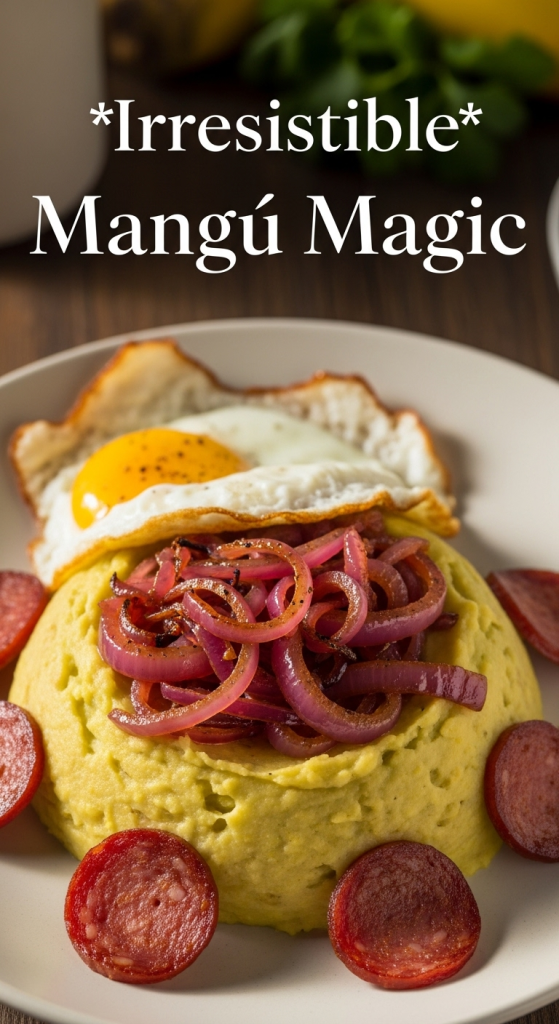
There’s a certain kind of magic found in simplicity-were humble ingredients transform into a dish that warms the soul and tells a story. Enter Mangú, the beloved Dominican mashed green plantain staple that’s much more than just a side. Wiht its creamy texture and subtle tang, Mangú carries the vibrant spirit of the Caribbean, brought to life by the sweet, savory dance of sautéed onions on top.
Whether you’re new to Dominican cuisine or a seasoned aficionado, uncovering the secrets behind Mangú’s comforting allure reveals a culinary tradition rich with culture, flavor, and love.Let’s dive into the magic of this iconic dish and discover why mangú holds a cherished place on tables and hearts alike.
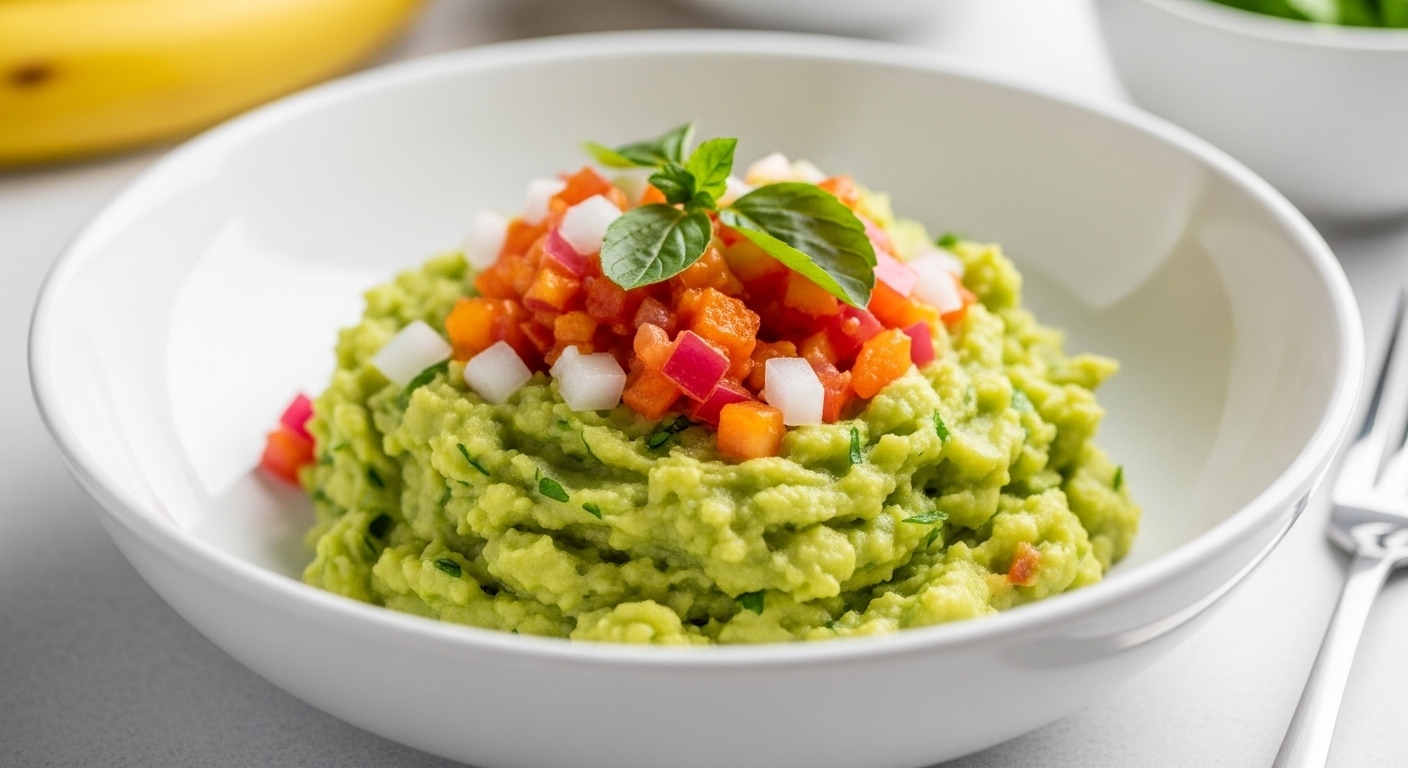
Mangú Magic: Dominican Mashed Green Plantains with Onions embodies the heart and soul of Dominican cuisine, offering a deliciously simple yet deeply comforting dish that celebrates the humble green plantain. Originating from the dominican Republic’s rich culinary heritage, this dish shines through its creamy, buttery texture and the vibrant aroma of perfectly sautéed red onions. My first encounter with mangú was at a lively Dominican family breakfast, where its rustic charm instantly captured me – every bite felt like a warm hug with layers of flavor that told a story of tradition and community.
Prep and Cook Time
- Preparation: 10 minutes
- Cooking: 25 minutes
- Total Time: 35 minutes
Yield
Serves 4 generous portions
Difficulty Level
Easy – perfect for both beginner cooks and seasoned food lovers eager to explore Dominican flavors.
Ingredients
- 4 large green plantains,peeled and cut into 3-inch pieces
- 1 teaspoon salt,divided
- 3 cups water
- 2 tablespoons unsalted butter
- 1/4 cup olive oil (divided)
- 1 large red onion,thinly sliced
- 2 tablespoons white vinegar or apple cider vinegar
- Freshly ground black pepper,to taste
- Optional garnish: chopped fresh parsley or cilantro
Instructions
- Prepare the plantains: start by peeling the green plantains carefully - scoring their skin lengthwise helps remove it without tearing the flesh.Cut them into 3-inch chunks for even cooking.
- Boil the plantains: in a large pot, bring the 3 cups of water to a boil with 1/2 teaspoon salt. Add the plantain chunks and cook until they are fork-tender, about 20 minutes.
- Mash the plantains: Drain plantains thoroughly. Transfer to a bowl and mash immediately using a potato masher or fork. While mashing, gradually add butter and 2 tablespoons of olive oil for a luxuriously creamy texture.Season with the remaining salt and adjust to taste.
- Sauté the onions: Heat the remaining 2 tablespoons of olive oil in a medium skillet over medium heat. Add the thinly sliced red onions and cook, stirring gently, until they soften and turn a lovely translucent gold, about 8-10 minutes. Stir in vinegar and a pinch of black pepper; cook for another 2 minutes to balance sweetness with acidity.
- Combine and serve: Pile the warm mangú onto plates and generously top with the sautéed onions. Garnish with fresh parsley or cilantro to add a luminous color pop and a fresh herbal note.
Tips for Success
- Peeling plantains: use a sharp knife to score the skin.This makes peeling easy and helps prevent the flesh from breaking.
- Mashing consistency: For a traditional smooth yet slightly chunky texture, avoid blending with a food processor. Hand-mashing retains the classic rustic appeal.
- Onion sweetness: Slow cooking onions over medium heat unlocks their natural sugars, giving mangú its signature caramelized flavor. Avoid high heat to prevent bitterness.
- Variation: For a dairy-free version, substitute butter with extra virgin olive oil or coconut oil.
- Make ahead: Mangú tastes best freshly made,but you can prep the mashed plantains and reheat gently with a splash of water or broth before serving.
- Flavor elevating: Add a squeeze of fresh lime juice over the finished plate for an unexpected zing that brightens every bite.
Serving Suggestions
The true magic of this dish lies in its versatility. Serve it alongside sautéed vegetables, ripe avocado slices, or simple grilled chicken for a wholesome meal. Traditionally, mangú is paired with fried cheese or eggs for a classic Dominican breakfast experience. A sprinkle of toasted sesame seeds or a dash of smoked paprika can add exciting layers of flavor and visual contrast.
| Nutrient | Per Serving |
|---|---|
| Calories | 280 kcal |
| Protein | 2.5 g |
| Carbohydrates | 55 g |
| Fat | 8 g |
for an in-depth exploration of Caribbean mashed potatoes, check out our Caribbean plantain Recipes page. To understand the nutritional benefits of plantains, visit the Healthline Plantain Benefits article.
Q&A
Q&A: Mangú Magic – Dominican Mashed Green Plantains with Onions
Q1: What is Mangú, and why is it a staple in Dominican cuisine?
A: Mangú is a comforting dish made from boiled green plantains that are mashed until creamy and smooth. It’s a beloved staple in the Dominican Republic, frequently enough served for breakfast or dinner. Mangú’s significance goes beyond taste-it embodies Dominican heritage,showcasing the island’s agricultural bounty and culinary creativity. This humble dish brings families together around the table with its warm, satisfying flavors.
Q2: How do you choose the perfect plantains for making mangú?
A: For that authentic mangú texture and flavor, select firm, unripe green plantains. The skin should be bright green without yellow spots, wich indicates ripeness that alters the starchiness. Green plantains give mangú its earthy, slightly tangy taste and fluffy consistency once boiled and mashed.
Q3: What’s the secret to achieving that perfect mangú consistency?
A: The key is careful boiling-plantains should be tender but not falling apart. After boiling, drain them well and mash immediately with some of the cooking water, butter, or olive oil for creaminess. Avoid over-mashing to keep a little texture; you want silky smoothness with slight chunkiness that adds heartiness.
Q4: Why are sautéed red onions the classic topping for mangú?
A: Sautéed red onions bring the perfect balance of sweetness and tang to mangú’s mellow flavor. When cooked slowly in a bit of oil or vinegar, they become soft and slightly caramelized, adding vibrant color and a piquant bite. This contrast elevates mangú from a simple mash to a flavorful masterpiece.
Q5: Can you customize mangú with other toppings or sides?
A: Absolutely! Mangú pairs beautifully with fresh avocado slices, fried eggs, or a medley of sautéed vegetables like bell peppers and tomatoes. Some enjoy it alongside beans or cheese, creating a colorful plate full of Dominican flavors and textures. The dish’s versatility makes it a perfect canvas for creative, wholesome meals.
Q6: How is mangú traditionally served in Dominican households?
A: Mangú is often a breakfast hero, served piping hot with sautéed onions on top.Families may add fried eggs or sautéed green bananas for extra heartiness. It’s also a comforting dinner choice, especially when paired with simple salads or vegetable stews. Mangú’s warm, homey feel makes it a dish that nurtures both body and soul.
Q7: What makes mangú a great option for those exploring plant-based meals?
A: mangú shines as a naturally plant-based dish-its main ingredient is green plantains, a rich source of fiber and nutrients. Topped with flavorful onions and paired with vegetables or eggs, it offers a wholesome, satisfying meal without any animal products (unless you choose to add eggs). It’s a tasty gateway into Caribbean flavors for anyone embracing a plant-focused diet.
Q8: Any tips for making mangú ahead for busy mornings?
A: Mangú is best enjoyed fresh, but you can boil and mash the plantains a day ahead, storing them in the fridge.Reheat gently on low heat with a splash of water or oil to restore creaminess.Prepare sautéed onions in advance and warm them just before serving. This rapid assembly keeps your mornings flavorful and fuss-free!
To Wrap it Up
Whether served as a comforting breakfast staple or a savory side dish at dinner, Mangú embodies the heart and soul of Dominican cuisine with every creamy, flavorful bite. This humble mash of green plantains, lovingly simmered and topped with sautéed onions, transforms simple ingredients into a dish bursting with tradition and warmth.Embracing Mangú in your kitchen not only introduces you to a taste of the Caribbean but also invites you to celebrate a culinary ritual passed down through generations.
So next time you crave something both hearty and magical, let Mangú work its charm-because some dishes are more than food; they’re a story waiting to be savored.