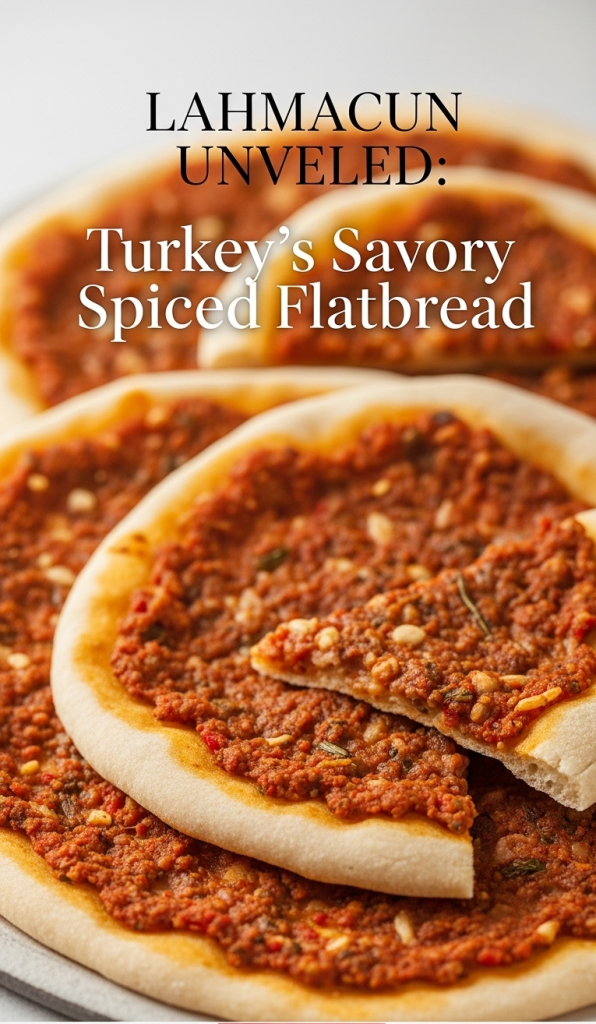

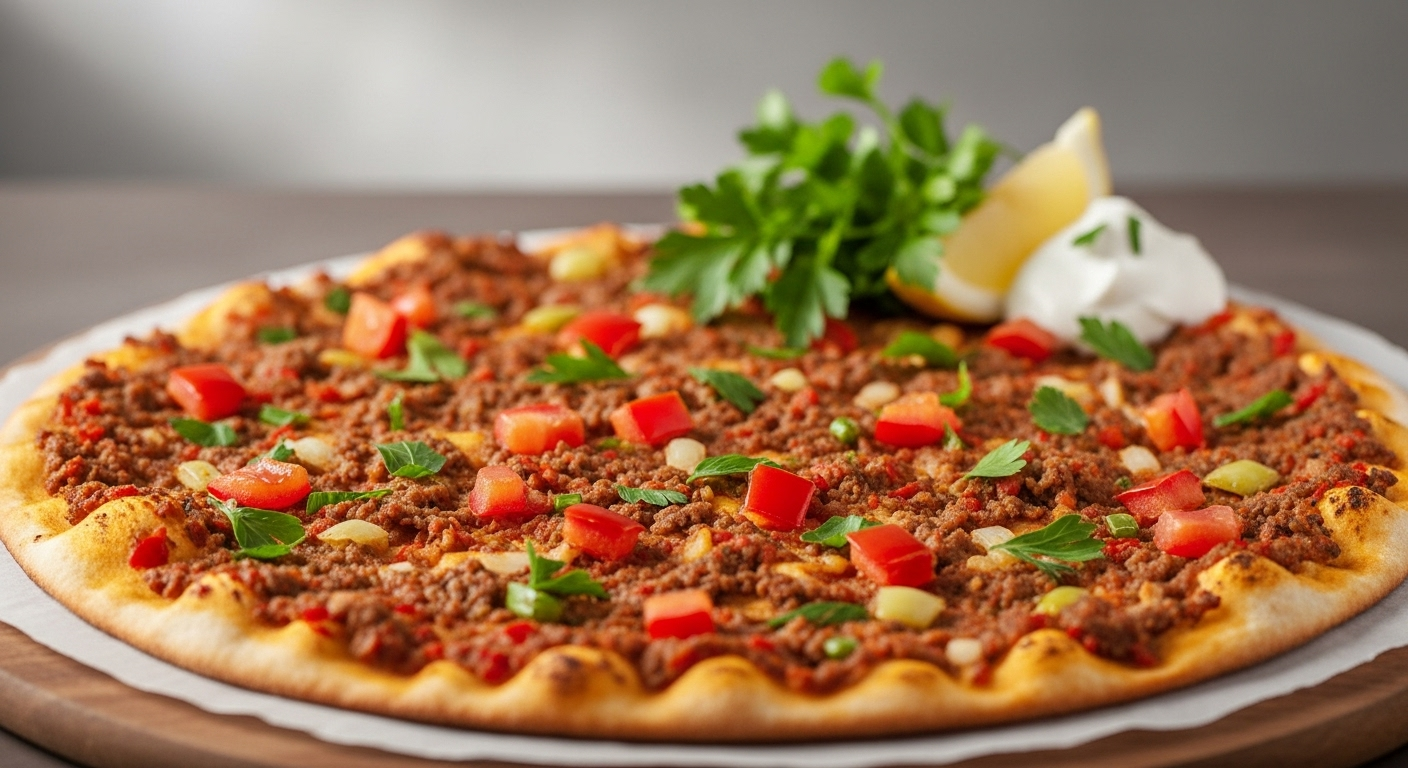
In the vibrant tapestry of Turkish cuisine, few dishes captivate the senses quite like lahmacun-a thin, crispy flatbread crowned with a fragrant mosaic of minced meat, fresh herbs, and bold spices. Frequently enough dubbed as Turkey’s answer to pizza,lahmacun is much more than a simple street food snack; it’s a culinary tradition steeped in history,culture,and communal joy. Join us as we unveil the story behind this savory spiced flatbread delight, exploring its origins, ingredients, and the irresistible charm that has made lahmacun a beloved staple from bustling city markets to cozy family tables across Turkey and beyond.
Lahmacun Unveiled: Turkey’s savory spiced flatbread delight is more than just a popular street food-it’s a culinary icon steeped in rich history and cultural pride. Originating from the southeastern regions of Turkey and neighboring Middle Eastern countries, lahmacun is renowned for its paper-thin dough layered with a vibrant, aromatic topping of minced meat, fresh herbs, and warming spices.Each bite tells a story of generations who perfected this delicate balance of textures and flavors, turning humble ingredients into a beloved comfort food that garners both local admiration and international acclaim.
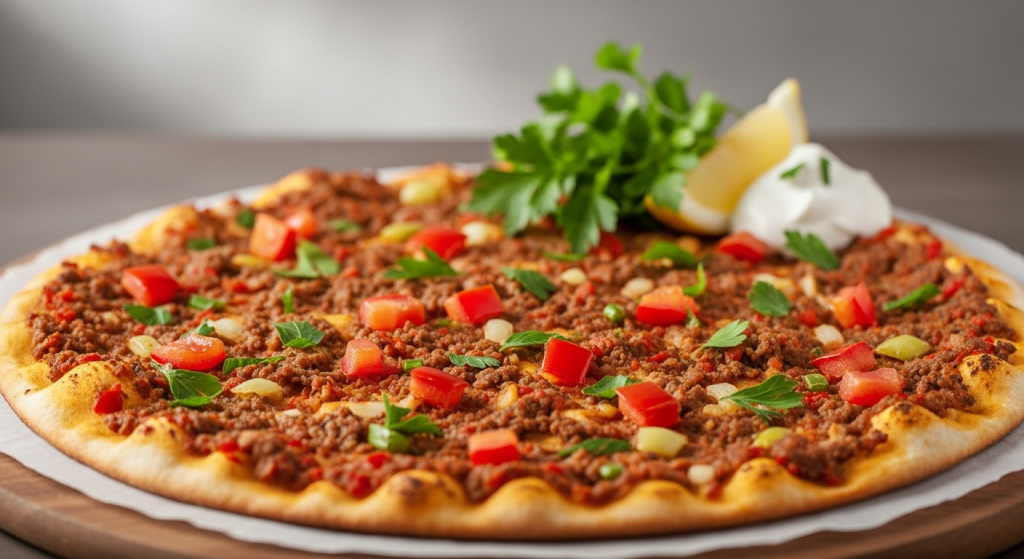
prep and Cook Time
- Preparation: 25 minutes
- Resting Dough: 1 hour
- cooking: 10 minutes
- Total Time: Approximately 1 hour 35 minutes
Yield
Serves 4 (Makes 8 medium-sized lahmacun)
Difficulty Level
Medium – Beginner cooks can follow along with some patience and attention to detail.
Ingredients
- For the Dough:
- 2 cups all-purpose flour,sifted
- ¾ cup warm water (110°F / 43°C)
- 1 tsp active dry yeast
- ½ tsp sugar
- 1 tsp fine sea salt
- 1 tbsp olive oil
- For the Spiced Meat Topping:
- 350g (12 oz) lean ground lamb or beef
- 1 medium onion,finely chopped
- 2 cloves garlic,minced
- 2 medium tomatoes,finely diced
- 1 small red bell pepper,finely diced
- ½ bunch fresh parsley,finely chopped
- 2 tbsp tomato paste
- 1 tbsp red pepper paste (optional,for heat)
- 1 tsp ground cumin
- 1 tsp paprika
- ½ tsp ground black pepper
- ½ tsp ground sumac (adds a lemony tang)
- Salt,to taste
- 2 tbsp olive oil
Instructions
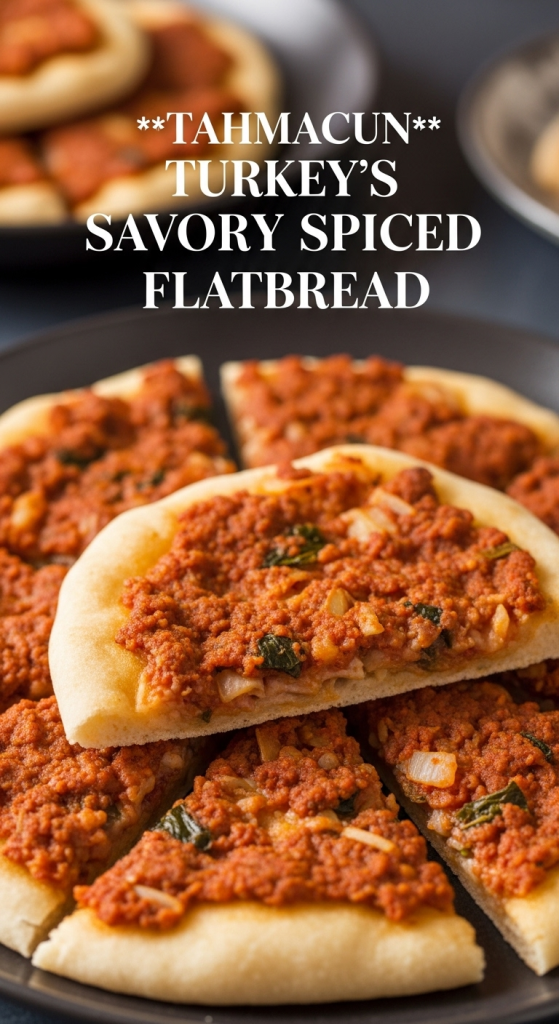
- Activate the yeast: In a small bowl,combine warm water,sugar,and yeast. Stir gently and let sit 5-10 minutes until foamy and bubbly, indicating the yeast is active.
- Make the dough: In a large mixing bowl, whisk together the sifted flour and salt.Slowly pour in the activated yeast mixture and olive oil, stirring with a wooden spoon until a shaggy dough forms.
- Knead the dough: Transfer onto a lightly floured surface and knead for 8-10 minutes until the dough becomes smooth and elastic. Form a ball,place in a lightly oiled bowl,and cover with a damp cloth.
- Let the dough rise: Allow it to rest in a warm spot for 1 hour, or until doubled in size. This step is essential for achieving a tender yet chewy lahmacun base.
- Prepare the topping: While the dough rests, combine ground meat, finely chopped onion, garlic, tomatoes, red bell pepper, parsley, tomato paste, red pepper paste, and all spices in a large bowl. Mix thoroughly to evenly distribute flavors. Drizzle olive oil over the mixture and stir again.
- Preheat your oven: Set your oven to 475°F (245°C). If using a pizza stone, place it in the oven during preheating to ensure even heat distribution.
- Divide and roll out the dough: Once risen, punch down the dough and divide into 8 equal portions. On a lightly floured surface, roll each portion into a thin circle, roughly 9 inches (23 cm) in diameter. The thinner, the better-aim for a delicate, almost translucent circle.
- Shape and spread: Using a spoon or offset spatula, spread a thin, even layer of the meat mixture over each dough circle, pressing lightly to help it adhere without tearing the dough.
- Bake: Slide the lahmacun onto the preheated pizza stone or a baking tray. Bake for 6-8 minutes until the edges are crisp and the meat topping is cooked through but still juicy.
- Serve immediately: Lahmacun is best enjoyed fresh from the oven while the crust is crisp and the topping warm.
Chefs’ Notes & Tips for success
- Flour matters: Using bread flour instead of all-purpose flour adds extra chewiness, lending authentic texture.
- Herb variations: Experiment with adding fresh mint or dill to the topping for unique flavor twists.
- Make-ahead option: The topping mixture can be prepared up to 24 hours in advance; cover tightly and refrigerate to deepen flavors.
- Oven alternatives: If you don’t have a pizza stone,use a cast-iron skillet or a heavy baking sheet inverted and preheated for better heat retention.
- Achieving crispiness: For a blistered look,broil the lahmacun for the last 1-2 minutes of baking,watching closely to avoid burning.
Serving Suggestions: Customary Pairings and Refreshing Complements
Wrap your warm lahmacun around a handful of fresh herbs-like parsley,cilantro,and mint-with crunchy thinly sliced onions and a generous squeeze of lemon juice. Serve alongside a crisp,cool cacık (Turkish yogurt cucumber dip) or a simple Shepherd’s Salad for vibrant, textural contrasts that elevate every bite.
Pair your feast with traditional şalgam (fermented turnip juice) or an ice-cold glass of ayran, a refreshing yogurt-based beverage that complements the spices and refreshes the palate.
And for a final flourish, garnish with sumac-dusted lemon wedges and a sprinkle of freshly cracked black pepper to bring everything to life visually and taste-wise.
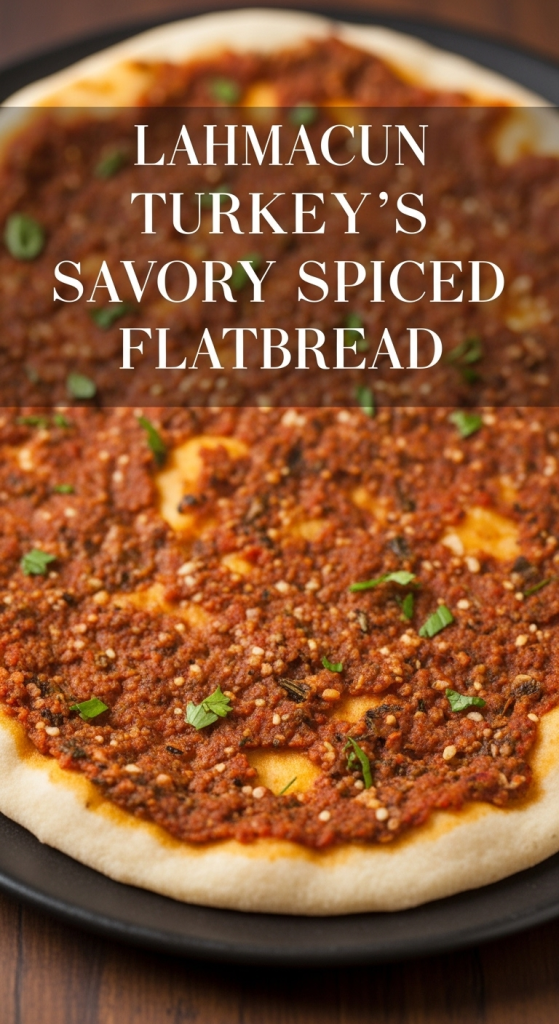
| Nutritional Info (per serving) | Calories | Protein | Carbs | Fat |
|---|---|---|---|---|
| 1 Lahmacun | 310 | 18g | 30g | 12g |
Q&A
Q&A: Lahmacun Unveiled – Turkey’s Savory Spiced Flatbread Delight
Q1: What exactly is Lahmacun?
A1: Lahmacun is ofen described as a Turkish-style flatbread,but it’s much more than that-think of it as a thin,crispy canvas generously adorned with a vibrant medley of spiced ground meat,fresh herbs,and vegetables. Sometimes called “Turkish pizza,” lahmacun offers a perfect harmony of zesty, savory flavors wrapped in a delightful crunch.
Q2: Where does Lahmacun originally come from?
A2: Lahmacun’s roots trace back to the culinary traditions of the Levant and Anatolia, yet it’s mostly associated with Turkey. It’s a beloved street food found in bustling bazaars and family kitchens alike, embodying centuries of culinary heritage and regional spice blends.
Q3: What ingredients make Lahmacun so distinctive?
A3: The magic lies in the toppings-a mixture of finely minced lamb or beef, tomatoes, onions, garlic, and a fragrant spice blend including paprika, cumin, and sometimes a little chili for warmth. Fresh parsley or mint often joins the mix, delivering an herbaceous brightness that balances the richness of the meat.
Q4: How is Lahmacun traditionally prepared?
A4: A soft yet crisp dough is rolled out ultra-thin,then generously smeared with the savory meat mixture,spreading it edge to edge. It’s then baked quickly at a high temperature until the edges are golden and slightly charred. The result? A perfectly thin and flavorful flatbread that’s as stunning as it is indeed delicious.
Q5: How do people typically enjoy Lahmacun?
A5: Lahmacun is best enjoyed fresh from the oven. Many relish it rolled up with a handful of fresh vegetables-crisp lettuce, tangy pickles, sliced onions-and a squeeze of radiant lemon juice for contrast. This creates a lively bite that’s both rustic and refreshingly vibrant.
Q6: Can Lahmacun be adapted for different dietary preferences?
A6: Absolutely. While traditional versions feature lamb or beef,many chefs craft vegetarian variations using spiced lentils,walnuts,or mushrooms for a hearty,plant-based twist. The dough and spices remain central,allowing the flatbread’s signature flavors to shine with alternative toppings.
Q7: What makes Lahmacun a unique representation of Turkish cuisine?
A7: Lahmacun encapsulates Turkey’s love for fresh ingredients,bold spices,and communal eating. It’s more than just food-it’s a social experience, often shared among friends and family. The simplicity of its components paired with the complexity of its flavors highlights the culinary ingenuity of Turkish culture.
Q8: Is Lahmacun only popular in Turkey?
A8: while lahmacun is a staple in Turkey, its popularity has spread far beyond its borders, thanks to Turkish diaspora communities and global food enthusiasts. You’ll find it gracing the menus of Middle Eastern restaurants worldwide, often celebrated as an exotic yet approachable flavor adventure.
Q9: What drinks or accompaniments complement Lahmacun without overpowering it?
A9: Light, refreshing accompaniments work best-a crisp ayran (a traditional Turkish yogurt drink) mellows the spices, while simple fresh salads or pickles add brightness. These pairings maintain the balance without overshadowing the flatbread’s vivid, savory profile.
Q10: where should a curious foodie start if they want to try making lahmacun at home?
A10: Begin with a simple dough recipe-flour, water, yeast, salt-rolled very thin. For the topping, finely mince quality ground meat with finely chopped vegetables and freshly ground spices. Bake until crispy, then finish with lemon and herbs. There are plenty of detailed recipes online that can guide you through the process, turning your kitchen into a vibrant Turkish street food stall!
Future Outlook
As we’ve journeyed through the origins, aromas, and authentic flavors of lahmacun, it becomes clear that this humble flatbread is much more than just a snack-it’s a vibrant thread woven into the rich tapestry of Turkish culture. Whether enjoyed sizzling fresh from the oven, folded around crisp veggies, or shared among friends in lively bazaars, lahmacun invites us to savor not only its spicy, savory layers but also the stories and traditions it carries.
So next time you encounter this delightful flatbread, take a moment to appreciate the centuries of culinary artistry baking beneath its golden crust-a true taste of Turkey’s heart and heritage unveiled.