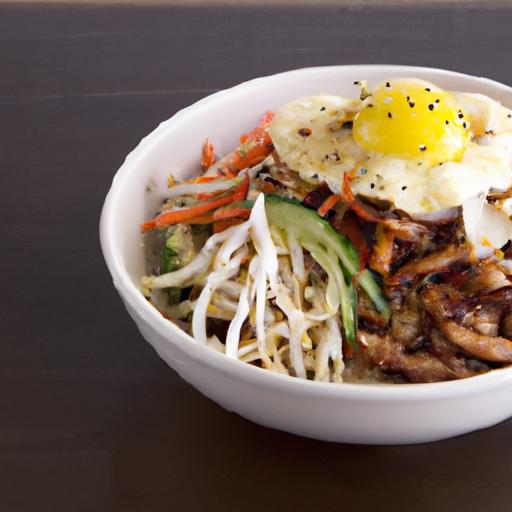
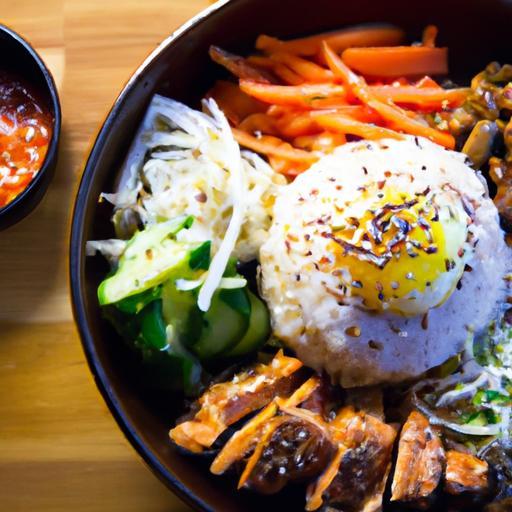
Dive into the vibrant world of Korean cuisine with a dish that’s as visually stunning as it is bursting with flavor-Bibimbap. This beloved Korean classic, known for its harmonious blend of textures and colors, takes on a new level of deliciousness when paired with tender, flavorful marinated chicken. In this article, we’ll explore how to craft the perfect Bibimbap bowl, layering fresh vegetables, savory rice, and that irresistible marinated chicken that brings a mouthwatering depth to every bite. Whether you’re a seasoned foodie or a curious culinary adventurer, get ready to savor a bowl of korean goodness that’s as nourishing as it is delightful.
Choosing the Perfect Marinade for tender and Flavorful Chicken
Delicious Korean Bibimbap Bowls with Flavorful Marinated Chicken by starting with a marinade that transforms everyday chicken into a tender, juicy canvas bursting with umami and subtle sweetness. The secret lies in balancing the savory, sweet, and spicy elements-ingredients like soy sauce, sesame oil, garlic, ginger, and a touch of honey harmonize perfectly to infuse every bite with vibrant Korean character. The marinade not only tenderizes the chicken but also builds a depth of flavor that complements the fresh, crisp vegetables and warm rice in your bibimbap bowl.
Choosing the right marinade is crucial: opt for a soy sauce base enriched with grated Asian pear or apple-natural tenderizers that add a mild fruity hint. Fresh aromatics such as minced garlic and ginger introduce layers of warmth and spice, while a splash of gochujang or chili flakes delivers that iconic Korean heat. Letting the chicken soak in this flavorful bath for at least 30 minutes,or preferably overnight,ensures each morsel is succulent and infused deeply with taste.
Prep and Cook Time
- Preparation: 25 minutes (including chopping and marinating)
- Marinating: Minimum 30 minutes (up to 12 hours for best flavor)
- Cooking: 15 minutes
- Total Time: Approximately 1 hour (including marinating)
Yield
Serves 4 hearty portions - perfect for family dinners or meal prepping lunches.
Difficulty Level
Easy to Medium – beginner cooks will find this approachable, while food enthusiasts appreciate the layering of authentic flavors.
Ingredients
- For the Chicken Marinade:
- 1 lb boneless, skinless chicken thighs or breasts, thinly sliced
- 3 tbsp soy sauce
- 1 tbsp sesame oil
- 1 tbsp honey or maple syrup
- 2 cloves garlic, minced
- 1 tsp freshly grated ginger
- 1 tbsp grated Asian pear or apple (optional for tenderness)
- 1 tsp gochujang (Korean chili paste) or ½ tsp red chili flakes
- 1 tbsp toasted sesame seeds
- 2 green onions, finely sliced
- For the Bibimbap Bowl:
- 3 cups cooked short-grain white rice, warm
- 1 small carrot, julienned
- 1 zucchini, julienned or thinly sliced
- 2 cups fresh spinach, blanched and squeezed dry
- 4 shiitake mushrooms, sliced and sautéed
- 1 cup bean sprouts, blanched
- 2 eggs (fried or sunny-side up)
- Gochujang, for drizzling
Instructions
- Prepare the marinade: In a medium bowl, whisk together soy sauce, sesame oil, honey, garlic, ginger, grated pear, gochujang, and green onions. Stir in the toasted sesame seeds for a hint of nuttiness.
- Marinate the chicken: Add the sliced chicken to the marinade, mixing well to coat all pieces. Cover and refrigerate for at least 30 minutes, ideally up to 12 hours to maximize tenderness and flavor.
- Cook the chicken: Heat a non-stick skillet over medium-high heat. Add the marinated chicken slices, sautéing until cooked through and caramelized, about 5-7 minutes. Stir occasionally to prevent sticking and achieve an even sear.
- Prepare the vegetables: While the chicken cooks, blanch the spinach and bean sprouts. Sauté the shiitake mushrooms in a touch of sesame oil until tender. Quickly sauté carrots and zucchini separately with a pinch of salt to retain their crispness.
- Assemble the bibimbap bowls: Divide the warm rice between four bowls. Artistically arrange each vegetable component and the cooked chicken over the rice,creating a vibrant mosaic of colors and textures.
- Top with an egg: Fry eggs sunny-side up or as you prefer, and gently nestle one atop each bowl, letting the runny yolk serve as a luscious sauce.
- Finish with garnishes: Drizzle gochujang to taste, sprinkle additional toasted sesame seeds, and garnish with sliced green onions or nori strips for extra flavor and appeal.
Tips for Success
- Marinating Time: Don’t rush the marinade-overnight yields the best tenderness and richest flavor absorption.
- Chicken Choice: Thighs are more forgiving than breasts, offering juiciness and fat that carry the marinade well.
- vegetable Prep: Keep vegetables separate when cooking to preserve individual textures and brightness.
- Spice Balance: adjust gochujang quantity based on your heat preference; start mild and add for a smoky kick.
- Make Ahead: The marinade and some veggies can be prepped a day early to streamline meal assembly.
Serving Suggestions to Elevate Your Korean Bibimbap experience
Presentation is key when savoring Korean bibimbap bowls with flavorful marinated chicken. Serve in wide, shallow bowls to showcase the beautiful array of colorful vegetables nestled on warm, fluffy rice. Offer extra gochujang on the side for guests to customize the heat intensity. Garnishing with toasted sesame seeds, thin strips of roasted seaweed, and fresh cilantro adds layers of aroma and texture.
For an authentic touch, pair your meal with a side of fermented kimchi to bring a tangy crunch that complements the savory richness of the chicken. A simple bowl of miso soup or Korean-style pickled radish also balances the flavors beautifully,turning your bibimbap into a true feast for the senses. Don’t forget to provide a sturdy spoon and chopsticks to enjoy every flavorful spoonful.
| Nutritional Info (per serving) | Calories | Protein (g) | Carbs (g) | Fat (g) |
|---|---|---|---|---|
| Bibimbap with Marinated Chicken | 520 | 38 | 65 | 12 |

For those eager to explore more Korean recipes that emphasize balance and zest, check out our Kimchi fried Rice with Vegetables post for another vibrant dish packed with flavor.
Q&A
Q&A: Delicious Korean Bibimbap Bowls with Flavorful Marinated Chicken
Q1: What makes bibimbap such a beloved Korean dish?
A1: Bibimbap is a vibrant celebration of color, texture, and flavor all in one bowl. Traditionally consisting of warm rice topped with an array of sautéed vegetables, a protein, and a spicy gochujang sauce, it’s a perfectly balanced meal that’s as visually appealing as it is indeed delicious. Its customizable nature means every bite is a new experience, making it a comforting yet exciting dish.
Q2: Why choose marinated chicken for bibimbap?
A2: Marinated chicken adds a tender, juicy, and flavorful protein element to bibimbap. The marinade-typically a blend of soy sauce, garlic, ginger, sesame oil, and a touch of sweetness-infuses the chicken with a savory depth that complements the freshness of the vegetables and the zesty kick of gochujang. It’s a lighter, leaner option that doesn’t sacrifice taste or texture.
Q3: How do you make the perfect marinade for chicken in bibimbap?
A3: The secret lies in the balance of salty, sweet, umami, and aromatic ingredients. Start with a base of soy sauce and sesame oil, add minced garlic and grated ginger for warmth, a bit of honey or brown sugar for sweetness, and a splash of rice vinegar or mirim for acidity. Let the chicken soak up these flavors for at least 30 minutes to achieve that melt-in-your-mouth tenderness.
Q4: What vegetables should be included in a chicken bibimbap bowl?
A4: Colorful, crunchy vegetables are key! Classic choices include julienned carrots, sautéed spinach, bean sprouts, shiitake mushrooms, and zucchini. These veggies offer varied textures and natural sweetness or earthiness that contrast beautifully with the savory chicken. Pick whatever fresh produce is in season to keep the bowl lively and nourishing.
Q5: How is bibimbap served traditionally, and can it be customized?
A5: Traditionally, bibimbap is served with all ingredients arranged artistically atop a bed of steamed rice, with a dollop of spicy gochujang on the side or mixed in just before eating.Feel free to customize it with a fried egg sunny-side-up, additional seeds or nuts for crunch, or a drizzle of more sesame oil. The beauty of bibimbap is its adaptability-each bowl can be tailored to your taste.
Q6: What tips help ensure the marinated chicken remains juicy and flavorful?
A6: Don’t overcook the chicken! Sear it quickly over medium-high heat to develop a caramelized crust while locking in moisture. Cutting the chicken into bite-sized pieces before marinating helps the flavors penetrate evenly and reduces cooking time. Lastly, rest the cooked chicken for a few minutes before adding it to the bowl, allowing juices to redistribute for maximum tenderness.
Q7: Can bibimbap be enjoyed beyond traditional mealtime?
A7: Absolutely! Bibimbap’s versatility makes it perfect for lunch, dinner, or even meal prep. Its balanced mix of protein, vegetables, and grains fuels your body with wholesome energy.Plus, it’s a fantastic way to use up leftover veggies and chicken, meaning every bowl is an prospect to get creative while staying healthy.
Q8: how do you properly mix bibimbap for the best taste experience?
A8: The magic happens when you combine all the ingredients in the bowl with the gochujang sauce. A good stir mixes the textures and flavors-warm rice, spicy sauce, tender chicken, and crisp veggies-creating a harmonious blend in every bite. It’s like a symphony of tastes that’s both satisfying and invigorating.
Q9: Are there any easy shortcuts to preparing a chicken bibimbap bowl at home?
A9: Definitely! use pre-cut vegetables or frozen stir-fry mixes to save prep time. Store-bought gochujang sauce is a convenient choice, just remember to adjust amounts to your spice preference. You can also marinate the chicken the night before for a rapid cook next day. These tips make the delicious, homemade bibimbap experience approachable and stress-free.
enjoy crafting your own bibimbap bowl and savor the rich flavors of Korean cuisine right in your kitchen!
Wrapping Up
As you’ve discovered, a Korean bibimbap bowl isn’t just a meal-it’s a vibrant tapestry of flavors, textures, and colors that come together in perfect harmony.With the addition of flavorful marinated chicken, each bite bursts with savory richness that elevates this traditional dish to new heights.
Whether you’re a seasoned foodie or a curious home cook, crafting your own bibimbap bowl invites you to explore the delightful balance of spice, sweetness, and freshness that Korean cuisine is celebrated for. So gather your ingredients, embrace the art of layering, and savor every mouthful of this nourishing, mouthwatering masterpiece-your taste buds will thank you.