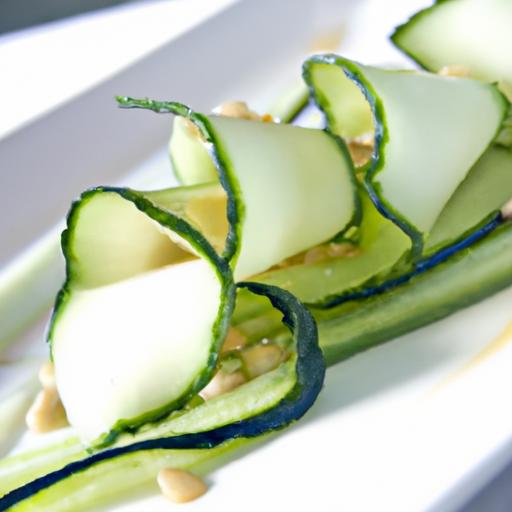


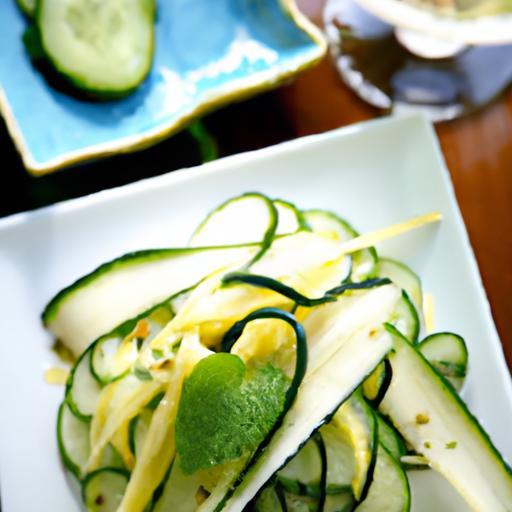
In a world often overwhelmed by complexity and bold flavors, sometiems the most profound culinary experiences come from simplicity itself. Enter the Japanese cucumber salad-a humble yet artful dish that captures the essence of refreshment with every bite. Delicately crisp cucumbers meet subtle notes of tangy vinegar, a whisper of sweetness, and a hint of umami, creating a harmonious balance that delights the senses and soothes the soul.
This article explores the art behind this refreshing classic, uncovering how minimal ingredients and thoughtful technique transform everyday cucumbers into a celebration of elegant restraint and vibrant flavor. Join us as we delve into the story, the science, and the subtle beauty of Japanese cucumber salad-a timeless testament to the power of refreshing simplicity.
Refreshing simplicity: the art of Japanese cucumber salad is a masterclass in balancing subtle flavors and textures that delight the palate with every bite. This iconic side dish, rooted in customary Japanese cuisine, transforms humble cucumbers into a vibrant, crisp accompaniment that refreshes and refreshes again. The harmony created between tart rice vinegar, sweet mirin, umami-rich soy sauce, and a whisper of sesame oil paints a flavor portrait both clean and complex. This salad’s genius lies not just in its ingredients but in the precision of its technique, crafting an irresistible texture that’s refreshingly crisp yet tender.
Prep and Cook Time
Readiness: 15 minutes | Marinating: 20 minutes | Total: 35 minutes
Yield
Makes 4 servings – a perfect starter or side for a light meal.
Difficulty Level
Easy – ideal for cooks of all levels seeking a fresh, speedy, and elegant salad.
essential Ingredients and Their Roles in Creating Balance
- Japanese cucumbers (about 3 medium) provide an unmistakable crunchy backbone, thinner skin and fewer seeds than other varieties, amplifying the crisp texture sought after in authentic recipes.
- Rice vinegar introduces the necessary acidity, brightening the dish with its gentle tang that never overwhelms.
- Mirin adds a subtle sweetness and depth, softening the acidity while contributing a silky mouthfeel.
- Soy sauce offers savory umami, grounding the salad and enhancing the overall complexity.
- Sesame oil lends a fragrant nuttiness, enriching the flavor profile without overpowering the freshness.
- Salt and sugar balance perfectly to heighten natural sweetness and maintain harmony between sour and sweet elements.
- Optional additions like toasted sesame seeds and thinly sliced scallions elevate texture and visual appeal, making every bite intriguing.
Mastering the Crisp Texture for the Perfect Bite
Achieving that coveted crunch requires a bit of mindful preparation. Start by slicing cucumbers paper-thin with a sharp knife or mandoline for uniform thickness. Salt them lightly and allow them to rest in a colander for 15-20 minutes; this step draws excess moisture, intensifying the crispness while preventing sogginess.
After rinsing and gently squeezing out the water, toss the cucumbers immediately with the dressing. The acid in the vinegar acts as a tenderizer but timing is key-too long marinating can soften the cucumbers beyond the ideal texture.
Instructions
- Wash and trim about 3 medium Japanese cucumbers. Slice them thinly-aim for about 1/8-inch thickness-for optimal crunch.
- Place cucumber slices in a colander, sprinkle with 1 teaspoon salt, gently toss, and let sit for 15-20 minutes. This process draws out excess water,intensifying the crisp texture.
- After resting, rinse the cucumbers under cold water to remove the salt, then gently pat dry with paper towels or a clean kitchen cloth to remove remaining moisture.
- In a mixing bowl, whisk together 3 tablespoons rice vinegar, 2 teaspoons mirin, 1 tablespoon soy sauce, 1 teaspoon granulated sugar, and 1 teaspoon toasted sesame oil until sugar dissolves completely.
- Toss the cucumber slices into the dressing, mixing gently but thoroughly, ensuring each slice is well coated.
- Cover and refrigerate for 15-20 minutes to allow flavors to meld but retain crispness.
- Just before serving, sprinkle with 1 tablespoon toasted sesame seeds and thin slices of scallions or shiso leaves for extra freshness and texture.
Tips and Techniques for Elevating Your Salad Experience
- Use fresh japanese cucumbers when possible.Their thinner skin and delicate seeds make a dramatic difference in texture.
- If Japanese cucumbers aren’t available, Persian or English cucumbers are excellent substitutes.
- Dry cucumbers thoroughly post-salting to avoid diluting the dressing and sogging the salad.
- for added complexity, try a pinch of shichimi togarashi (Japanese seven spice) for a subtle heat twist.
- Make the salad up to a day in advance, but hold off on garnishes until just before serving to maintain crispness and visual appeal.
- Store in an airtight container in the fridge; consume within 24 hours for best texture and freshness.
Serving suggestions
This salad shines on its own or as a palate cleanser alongside richer mains like grilled teriyaki chicken or tempura vegetables. Serve chilled in a small ceramic bowl to highlight its delicate beauty and vibrant colors. Consider garnishing with a sprinkle of black sesame seeds or freshly chopped shiso leaves for an authentic visual and aromatic touch.

Nutritional Facts (per serving)
| Nutrient | amount |
|---|---|
| Calories | 65 |
| Protein | 1 g |
| Carbohydrates | 7 g |
| Fat | 3.5 g |
For an insider’s take on Japanese flavors and vegetables, explore our detailed guide to Japanese vegetable side dishes. For an academic perspective on umami balance in cuisine, this research article offers invaluable insights.
Q&A
Q&A: Refreshing Simplicity - The Art of Japanese Cucumber Salad
Q1: What makes Japanese cucumber salad uniquely refreshing compared to other cucumber salads?
A1: Japanese cucumber salad, or sunomono, thrives on a delicate balance of sweet, tangy, and umami flavors. Unlike heavier dressings, its light vinegar-based dressing highlights the crispness of fresh cucumbers, creating a palate-cleansing, refreshing bite. The simplicity and emphasis on clean flavors embody Japan’s culinary ideology of subtlety and seasonality.
Q2: What type of cucumbers work best for this salad?
A2: Thin-skinned, crisp cucumbers like Japanese kyuri or Persian cucumbers are ideal. Their minimal seeds and delicate texture complement the dressing perfectly, avoiding any watery or bitter notes. if unavailable, English cucumbers with mild seed content are a great substitute.
Q3: How is the dressing traditionally prepared?
A3: The classic dressing is a harmonious blend of rice vinegar, a touch of sugar, and a pinch of salt. Sometimes, a splash of soy sauce or a sprinkle of toasted sesame seeds adds depth. The key is to balance sweet and sour without overpowering the simple cucumber flavor.
Q4: Is there a particular technique to preparing the cucumbers?
A4: Yes! Thinly slicing the cucumbers-often with a mandoline-to paper-thin rounds ensures they absorb the dressing quickly. After slicing, lightly salting and letting them sit draws out excess moisture, keeping the salad crisp and preventing it from becoming soggy.
Q5: Can other ingredients be incorporated without overshadowing the simplicity?
A5: Absolutely. Adding delicate elements like wakame seaweed or thinly sliced wakame enhances texture and umami while maintaining freshness. A sprinkle of toasted black or white sesame seeds offers a nutty crunch.thinly sliced ginger or a hint of yuzu zest can also elevate the dish with subtle aromatic complexity.
Q6: How is Japanese cucumber salad typically served?
A6: Its frequently enough a small side dish-served chilled to maximize refreshment. It pairs beautifully with steamed rice and grilled vegetables or fish, functioning as a palate cleanser amid richer dishes. Its elegant simplicity also makes it an inviting option for summer meals.
Q7: What is the cultural meaning behind cucumber salad in Japanese cuisine?
A7: Sunomono dishes symbolize balance and harmony, reflecting japan’s reverence for seasonality and natural flavors. They celebrate humble ingredients and the art of minimalism, turning everyday vegetables into expressions of freshness and mindfulness.
Q8: Can this salad be adapted for special dietary needs?
A8: Certainly! The recipe is naturally gluten-free when using tamari instead of soy sauce and vegan-friendly since it contains no animal products. It’s a versatile,light dish suitable for many dietary preferences without needing heavy modifications.
Q9: How does the art of simplicity influence the preparation and enjoyment of this salad?
A9: The art lies in restraint-a focus on technique and balance rather than complexity. By honoring each ingredient’s natural qualities,the salad invites thoughtful eating. Its simplicity encourages savoring textures and subtle flavors, offering both nourishment and tranquility in each refreshing bite.
In Retrospect
As we close the bowl on the art of Japanese cucumber salad, we find that its true elegance lies not in complexity, but in the quiet harmony of simple ingredients – crisp cucumbers, tangy vinegar, and subtle hints of sesame and seaweed. this refreshing simplicity invites us to savor purity of flavor and embrace a mindful approach to food. In every crunchy bite,the salad whispers a timeless lesson: sometimes,the most profound culinary delights come from honoring nature’s straightforward gifts and letting them shine. Whether as a light side or a palate cleanser, the Japanese cucumber salad remains a graceful reminder that beauty and balance can be refreshingly uncomplicated.