
There’s a special kind of magic simmering in every bowl of tteokguk, the beloved Korean rice cake soup that ushers in the new year with warmth and hope. More than just a dish, tteokguk is a delicious tradition steeped in history-each spoonful a symbol of fresh beginnings, good fortune, and the sweet simplicity of home.
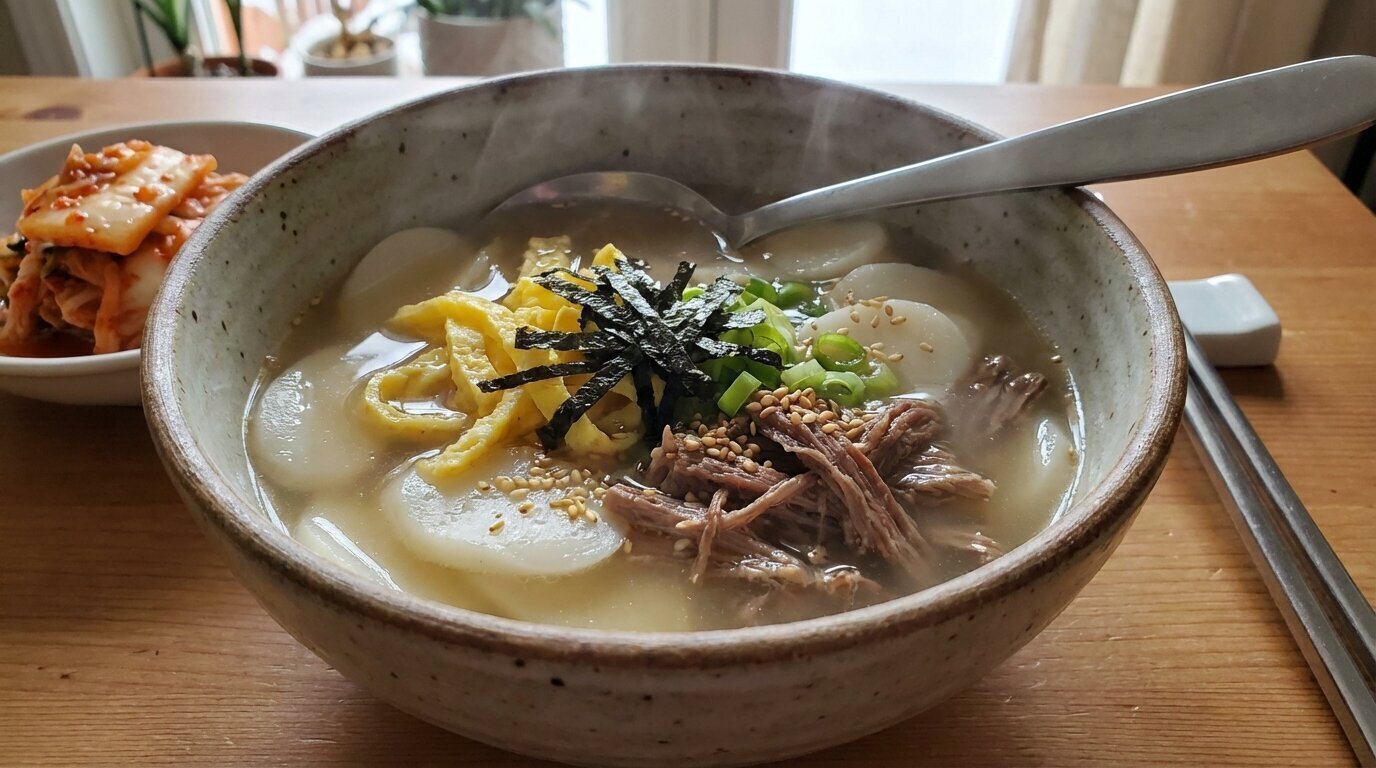
In this article, we’ll journey through the art of making homemade tteokguk, exploring the key ingredients, techniques, and stories behind this iconic comfort food. Whether you’re a curious cook or a seasoned foodie, get ready to savor tradition and bring a taste of Korea’s cherished new Year ritual to your own kitchen.
Here are the details for a classic Homemade Korean Tteokguk (Rice Cake Soup), organized as requested.
Prep and Cook Time
-
Prep Time: 20 minutes (includes soaking rice cakes and slicing beef)
-
Cook Time: 40 minutes
-
Total Time: 1 hour
Yield
-
4 Servings
Difficulty Level
-
Easy / Intermediate (The soup base is simple, but getting the egg garnish perfect takes a little practice.)
Ingredients
Main Ingredients
-
Sliced Rice Cakes (Tteok guk tteok): 1 lb (approx. 4 cups) – Note: If frozen, soak in cold water for 15–20 mins.
-
Beef: ½ lb (Beef brisket or flank steak), sliced thinly into bite-sized pieces
-
Water: 7–8 cups (can substitute with unsalted beef or anchovy stock for deeper flavor)
-
Garlic: 1 tablespoon, minced
-
Green Onions: 2 stalks, sliced diagonally
-
Soup Soy Sauce (Guk-ganjang): 1–2 tablespoons (adjust to taste)
-
Fish Sauce: 1 teaspoon (optional, for extra umami)
-
Salt & Black Pepper: To taste
Beef Marinade (Optional but recommended)
-
Soy Sauce: 1 teaspoon
-
Sesame Oil: 1 teaspoon
-
Garlic: ½ teaspoon, minced
-
Black Pepper: A pinch
Garnish (Toppings)
-
Eggs: 2 large (separated into whites and yolks, pan-fried into thin sheets, and sliced into strips/diamonds)
-
Roasted Seaweed (Gim): 1 sheet, cut into thin strips or crumbled
-
Sesame Oil: ½ teaspoon (drizzled at the end)
-
Toasted Sesame Seeds: ½ teaspoon (optional)
Choosing the Perfect Rice Cakes for Authentic Tteokguk
Savor tradition by selecting the ideal rice cakes, or tteok, which form the heart of Korean Tteokguk. For an authentic experience, opt for garaetteok, the long, cylindrical rice cakes made from glutinous rice flour. These rice cakes have a delightfully chewy texture that soaks up the rich broth beautifully, making every spoonful comforting and satisfying.
when shopping, look for fresh or frozen garaetteok, often sold in Korean markets or Asian grocery stores. If fresh is unavailable, properly thaw frozen rice cakes by soaking in lukewarm water for 10-15 minutes before cooking to restore their softness. Avoid using pre-cut or thinly sliced rice cakes intended for stir-fries, as they can become mushy when boiled.
Pro Tip: If you want to save time, make your own rice cakes by shaping and steaming a simple glutinous rice dough. This hands-on approach deepens your connection to the tradition.
Crafting a Flavorful Broth with Traditional Ingredients
The soul of every satisfying Tteokguk lies in its clear, savory broth. Start by simmering beef bones with aromatics like garlic, onion, and green onions for several hours to extract a rich, umami-laden base. For those seeking a lighter broth, kombu (kelp) and dried shiitake mushrooms can be added for a vegetarian-kind twist, offering a delicate depth.
Season your broth judiciously with soy sauce,sea salt,and a touch of white pepper to highlight flavors without overpowering the rice cakes.Strain the broth well to maintain a crystal-clear appearance synonymous with traditional Korean soups served during celebrations.
Tip: Skim the surface periodically to remove any impurities,ensuring a pristine and visually stunning soup.
Mastering the Art of Garnishing and Presentation
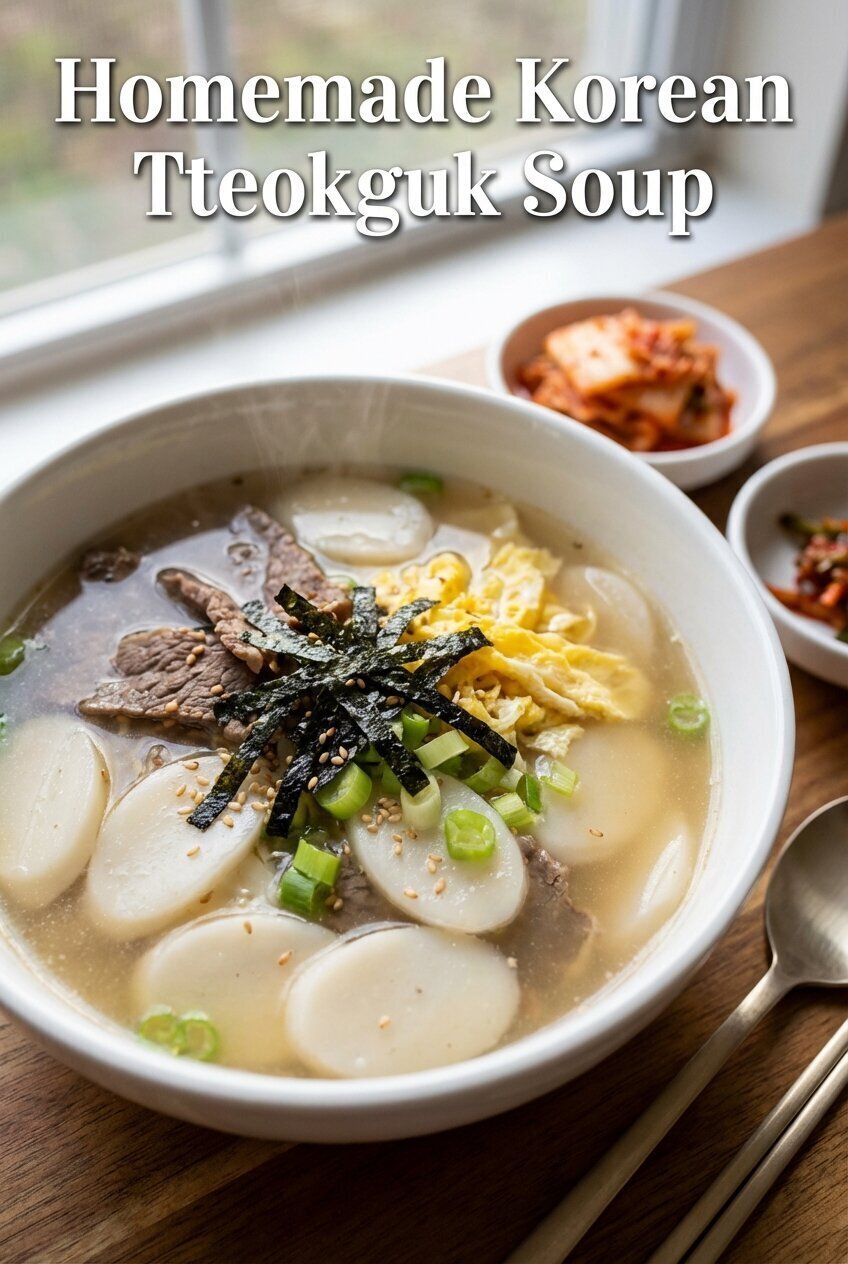
The finishing touches not only elevate the flavor profile but also honor the festive spirit of Tteokguk. Traditionally, thinly sliced egg garnish (jidan) is prepared by whisking eggs and cooking them into delicate sheets, than julienned finely. Alongside this, garnish your soup with slivers of seasoned seaweed, finely chopped scallions, and crunchy toasted sesame seeds.
Adding julienned beef strips (if using meat broth) or a handful of thinly sliced fish cakes enhances texture and flavor complexity. Arrange the toppings with care: a sprinkle of vivid green scallions around a nest of golden egg ribbons creates a vibrant contrast against the snowy broth, inviting your guests to dig in.
Tips for Serving and Celebrating Tteokguk During Korean New Year
Tteokguk is much more than a soup; it’s a culinary emblem of fresh beginnings and prosperity. Traditionally enjoyed on Seollal (Korean New Year), serving Tteokguk conveys wishes for good luck and a new year full of growth. Serve hot in deep bowls with chopsticks and a spoon to guide guests through savoring rice cakes and broth in harmony.
To enhance the party, accompany your soup with minimalist banchan such as kimchi and pickled radish, which brighten the palate and complement the creamy broth. Create a festive table setting with modest touches of traditional Korean colors-deep reds and blues-to honor the meaningful occasion.
Encourage family or guests to share their wishes or resolutions as they enjoy their first bowl of the year, keeping the communal spirit alive and vibrant.
Q&A
Q&A: Savor Tradition – How to Make Homemade Korean Tteokguk Soup
Q1: What is Tteokguk, and why is it so significant in Korean culture?
A1: Tteokguk, literally ”rice cake soup,” is a beloved Korean dish traditionally enjoyed during the Lunar New Year. Eating Tteokguk symbolizes welcoming a fresh start and growing a year older, making it both a culinary delight and a ritual of renewal. Its milky broth and chewy rice cakes evoke warmth,comfort,and a connection to generations past.
Q2: What are the essential ingredients needed to make authentic Tteokguk?
A2: The heart of Tteokguk lies in thinly sliced garaetteok (cylindrical white rice cakes). The broth usually features beef brisket or dried anchovies for depth, soy sauce for savory notes, garlic, green onions, and sometimes eggs whisked in for richness. Toppings like gim (seaweed strips), julienned egg garnish, and sliced green onions add texture and color.
Q3: How is the traditional broth prepared without using pork products?
A3: To keep the broth flavorful but pork-free, start by simmering beef bones or brisket with aromatics like garlic, onion, and dried kelp (dashima). Alternatively, a dried anchovy and kelp stock offers a clean yet umami-rich base.Strain thoroughly to achieve a clear, savory broth perfect for cooking the rice cakes.
Q4: What’s the best way to prepare the rice cakes so they’re tender but hold their shape?
A4: Fresh garaetteok slices cook quickly, typically taking just a few minutes to soften once added to boiling broth. For frozen rice cakes,soak them in cold water beforehand to separate and soften. Avoid overcooking; they should be tender and chewy,offering that signature bite that balances the silky soup.
Q5: Can Tteokguk be made vegetarian or vegan?
A5: Absolutely! Swap the meat and anchovy-based broth with a rich vegetable stock infused with shiitake mushrooms, kombu kelp, garlic, and soy sauce. Top with sautéed mushrooms or seasoned tofu strips, and use egg substitutes or skip egg garnish to keep it plant-based while preserving flavor and texture.
Q6: What are the traditional garnishes, and how do they enhance the dish?
A6: garnishes are like the brushstrokes in a painting-simple yet impactful.Shredded gim (seaweed) adds umami and a slight crispness, while julienned fried eggs introduce a sunny color and delicate texture. Thinly sliced green onions offer freshness and a mild sharpness that brightens every spoonful.
Q7: Are there regional variations of Tteokguk worth exploring?
A7: Yes! In some regions, clear beef broth is favored, while others enrich the soup with chicken or seafood stocks. Some variations incorporate vegetables like zucchini or carrots for extra body. Discovering these subtle differences enriches your appreciation of the dish’s versatility and regional heritage.
Q8: What are some tips for serving Tteokguk authentically?
A8: Serve Tteokguk steaming hot in deep bowls to keep the broth warm and inviting. Pair it with classic Korean side dishes like kimchi, pickled radishes, or seasoned spinach for a harmonious balance. Encourage everyone to savor it slowly; it’s as much about enjoying tradition as satisfying hunger.
Q9: how can one personalize Tteokguk without losing its essence?
A9: Personal touches can be simple-try adding a sprinkle of toasted sesame seeds for nuttiness or a dash of black pepper for warmth. Experiment with proteins like shredded chicken or seafood while maintaining the integrity of the broth. The key is honoring the spirit of renewal and comfort embodied by Tteokguk.
Q10: Why is making Tteokguk at home a meaningful experience?
A10: Cooking tteokguk connects us to Korean history and family traditions, turning a meal into a celebration of time, growth, and togetherness. The process invites mindfulness-slicing rice cakes, simmering broth, layering garnishes-transforming humble ingredients into a bowl full of stories and warmth. It’s more than soup; it’s a heartfelt embrace in culinary form.
Insights and Conclusions
As the comforting aroma of your homemade tteokguk fills the kitchen,you’ve not only crafted a dish but also honored a cherished Korean tradition that welcomes the new year with warmth and hope. Each spoonful melds savory broth, tender rice cakes, and a history steeped in celebration and renewal.
Whether shared with family or savored quietly, this soup is more than a meal-it’s a delicious invitation to connect with culture and time-honored rituals.So, next time the calendar turns, embrace the joy of making tteokguk at home, and let every bowl be a flavorful bridge between past and present.