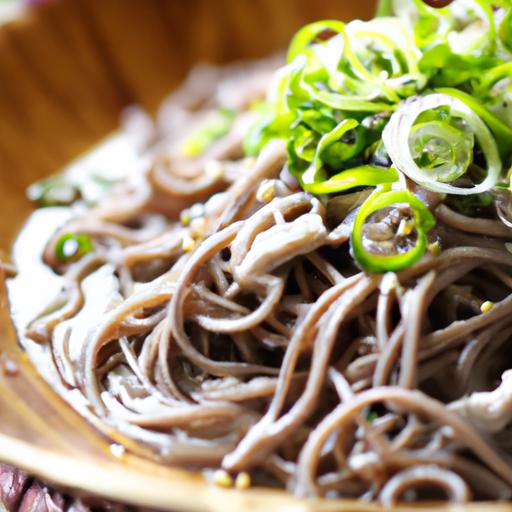


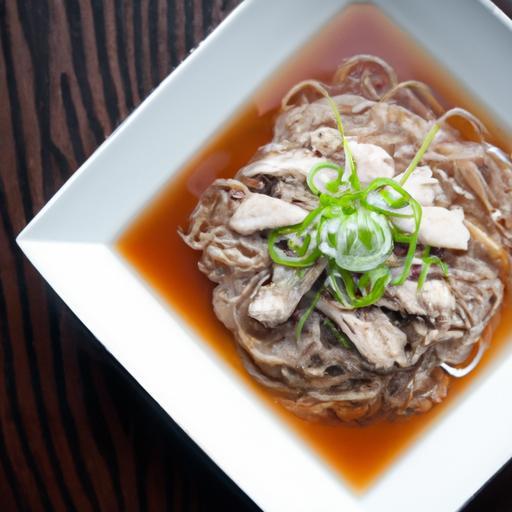
On sweltering days when the air feels thick and the mind craves clarity, few dishes offer a more revitalizing escape than chilled buckwheat noodles bathed in a savory, flavorful broth. this humble yet sophisticated dish marries the nutty earthiness of buckwheat with an artful blend of refreshing and umami-rich liquids, crafting a culinary experience that cools the body while igniting the palate.
From its origins in customary Asian kitchens to modern interpretations on dining tables worldwide, refreshing chilled buckwheat noodles invite us to explore a balance of texture and taste that is both nourishing and delightfully satisfying. Join us as we delve into the world of this unusual dish, uncovering its secrets, health benefits, and the tantalizing broth recipes that elevate every slurp.
The Art of Crafting Perfectly chilled Buckwheat Noodles
refreshing Chilled Buckwheat Noodles in Flavorful Broth offer a perfect balance of earthy, nutty noodles cooled to perfection and paired with a richly layered, umami broth. Originating from the cool climates of East Asia, thes soba-style noodles enchant with their delicate texture and the vibrant experience of a broth that’s both savory and refreshingly light. My first encounter with this dish was during a summer festival in Japan, where the combination of chilled noodles and tantalizing broth truly awakened my palate, inspiring me to recreate and perfect this dish in my own kitchen.
Prep and Cook Time
- Planning: 20 minutes
- Broth simmer time: 30 minutes
- Chilling time: 1 hour
- total time: Approximately 1 hour 50 minutes
Yield
Serves 4 generously, ideal for a light lunch or elegant dinner starter.
Difficulty Level
Medium – This recipe requires careful attention to broth layering and noodle chilling but rewards you with a stunning, restaurant-quality dish.
Essential Ingredients to Elevate Your Buckwheat Noodle Experience
- 200g buckwheat noodles (soba), preferably fresh or high-quality dried
- 4 cups dashi stock (made from kombu and dried shiitake mushrooms for rich umami)
- 3 tbsp soy sauce (naturally brewed for depth)
- 2 tbsp mirin (for subtle sweetness)
- 1 tbsp sake (optional, for broth complexity)
- 1 tsp sugar (to balance flavors)
- 1 cucumber, julienned (fresh and crisp garnish)
- 2 green onions, thinly sliced
- 1 tbsp toasted sesame seeds
- Shiso leaves or fresh cilantro (for aromatic brightness)
- Grated fresh ginger (optional, adds zing)
Unlocking the Secrets Behind a Rich and Flavorful Broth
- Prepare the dashi stock: Soak a 10cm piece of kombu and 2 dried shiitake mushrooms in 4 cups of cold water for 30 minutes. Slowly bring to a near boil,remove kombu before boiling,then simmer for 5 minutes. Remove shiitake and discard or reserve for other uses.
- add soy sauce, mirin, sake, and sugar: Return the stock to low heat and stir until the sugar dissolves fully, creating a broth bursting with umami and subtle sweetness.
- Chill the broth: Transfer the broth into a shallow container and place it in the refrigerator to chill thoroughly for at least one hour,enhancing its refreshing quality when served with chilled noodles.
step-by-Step Preparation of the Perfectly Chilled Buckwheat Noodles
- Cook noodles: Bring a large pot of water to a rolling boil. Add buckwheat noodles and cook according to package instructions (usually 4-5 minutes). Avoid overcooking-the noodles should remain supple but firm.
- Drain and rinse: Immediately drain the noodles in a colander and rinse under cold running water to halt cooking and wash away excess starch, ensuring a smooth, firm texture.
- Ice bath chill: Submerge noodles in a bowl of ice water for 2-3 minutes to cool thoroughly and achieve that inviting chilled sensation upon serving.
- Drain again gently: Lift noodles with tongs or chopsticks, allowing any excess water to drip off. Avoid squeezing to prevent breaking delicate strands.
Expert Tips for Serving and Garnishing Your Chilled Noodle Dish
- Presentation: Artfully arrange chilled noodles in shallow bowls, creating loose nests for an airy, elegant look.
- Broth pour: Ladle the chilled, flavorful broth around the noodles for a harmonious interplay of textures and temperatures.
- Garnishes: sparkle the dish with bright green julienned cucumber,finely sliced scallions,and aromatic shiso or cilantro leaves.A sprinkle of toasted sesame seeds adds a nutty crunch that complements the buckwheat’s earthiness.
- Optional kicks: Add a small mound of grated fresh ginger for subtle heat or a dab of spicy wasabi paste for the adventurous palate.
- Serve with: A side of chilled edamame or light pickled vegetables to keep the meal refreshing and balanced.
Chef’s Notes: Tips for Success
- For gluten-free options, ensure the buckwheat noodles are 100% buckwheat as many contain wheat blends.
- If short on time, prepare the broth a day ahead-it deepens the flavors beautifully overnight.
- To boost the broth’s richness without animal products, simmer kombu longer or add a splash of mushroom-soy sauce.
- Always cool noodles quickly and thoroughly-warm noodles dilute the refreshing impact of the dish.
- leftover broth can be frozen; reheat gently and serve over hot or cold noodles for a versatile meal anytime.
Nutritional Information per Serving
| Calories | Protein (g) | Carbs (g) | Fat (g) |
|---|---|---|---|
| 280 | 8 | 56 | 2 |

Ready to explore more Asian noodle dishes with deep layers of flavor? Check out our guide on Ultimate Homemade ramen Recipe to dive further into broth mastery. For a deep dive into the health benefits of buckwheat, visit the NCBI study on buckwheat nutrition.
Q&A
Q&A: refreshing Chilled Buckwheat Noodles in Flavorful Broth
Q1: What makes buckwheat noodles a great choice for a chilled noodle dish?
A1: Buckwheat noodles,also known as soba,boast a unique nutty flavor and a pleasantly firm texture that hold up beautifully in chilled preparations. Their natural earthiness pairs perfectly with vibrant broths, creating a refreshing and satisfying dish that’s both light and nourishing.
Q2: How do you prepare the broth to complement the chill of the buckwheat noodles?
A2: The broth is the heartbeat of this dish. Typically, a clear, savory base made from kombu (kelp), shiitake mushrooms, and a touch of soy sauce or miso provides umami complexity without overwhelming the delicate noodles. Chilling the broth enhances its crispness, offering a refreshing contrast to the noodles’ chewy texture.
Q3: can this dish be customized for different taste preferences?
A3: Absolutely! You can adjust the broth’s seasoning to be more tangy with a splash of rice vinegar or add a hint of sweetness with mirin. For heat lovers, a dash of grated ginger or a sprinkle of shichimi togarashi spices elevates the experience. Plus, fresh garnishes like sliced cucumber, nori strips, and scallions add textural variety and bursts of flavor.
Q4: What are some ideal toppings to serve with chilled buckwheat noodles?
A4: Toppings can range from crisp and fresh to umami-rich. Popular options include thinly sliced cucumbers, blanched spinach, shredded daikon radish, toasted sesame seeds, and a soft-boiled egg. These create layers of texture and flavor that make every bite intriguing and tasty.
Q5: is this dish suitable for summer dining, and why?
A5: Definitely! The chilled nature of both the noodles and broth makes this dish incredibly refreshing during hot weather. It hydrates, nourishes, and cools you down while delivering a punch of savory satisfaction-a perfect antidote to the summer heat.
Q6: Are there any tips for cooking buckwheat noodles to preserve their texture?
A6: Yes, timing is key! Cook the noodles to al dente, usually for about 4-5 minutes, then immediately rinse under cold running water to stop cooking and remove excess starch. This step prevents mushiness and keeps the noodles firm and springy, ideal for their role in a chilled dish.
Q7: How can one make this dish plant-based and gluten-conscious?
A7: To keep it plant-based,ensure your broth features only vegetable ingredients like kombu and mushrooms,and use tamari instead of regular soy sauce to avoid gluten. For a gluten-free version, opt for 100% buckwheat soba noodles or substitute with other gluten-free noodles, as many soba noodles contain some wheat flour.
Q8: What cultural or culinary traditions inspire this refreshing noodle dish?
A8: This dish draws inspiration from traditional Japanese soba noodle cuisine,where chilled soba served in a simple yet flavorful dipping broth (called tsuyu) is a beloved summertime special. It embodies the Japanese principles of seasonality, simplicity, and harmony of flavors.
Q9: Can this dish be prepared in advance for easy meals?
A9: Absolutely! You can prepare the broth and noodles ahead of time, keeping them chilled separately to preserve texture. Just combine them when ready to serve, then add fresh garnishes last-minute for peak freshness and crunch.
Q10: What beverage pairs well with chilled buckwheat noodles to enhance the dining experience?
A10: opt for light, non-alcoholic beverages such as chilled green tea, barley tea (mugicha), or sparkling water infused with citrus. These drinks complement the dish’s refreshing qualities without overpowering its delicate flavors.
To Conclude
As the last spoonful of the vibrant, chilled buckwheat noodles slips away, you’re left with more than just satisfied taste buds-you carry with you a renewed recognition for a dish that effortlessly marries refreshment with depth. This flavorful broth, brimming with layers of umami and subtle nuance, transforms simple ingredients into a soulful experience perfect for warm days or anytime you seek a light yet nourishing meal.
Whether you’re new to buckwheat noodles or a seasoned enthusiast, this culinary gem invites you to explore a harmonious balance of texture and taste, proving that sometimes, the coolest meals leave the warmest impressions. So next time the heat beckons, remember: refreshment doesn’t have to be bland, and a bowl of chilled buckwheat noodles might just be the flavorful escape your palate has been craving.