
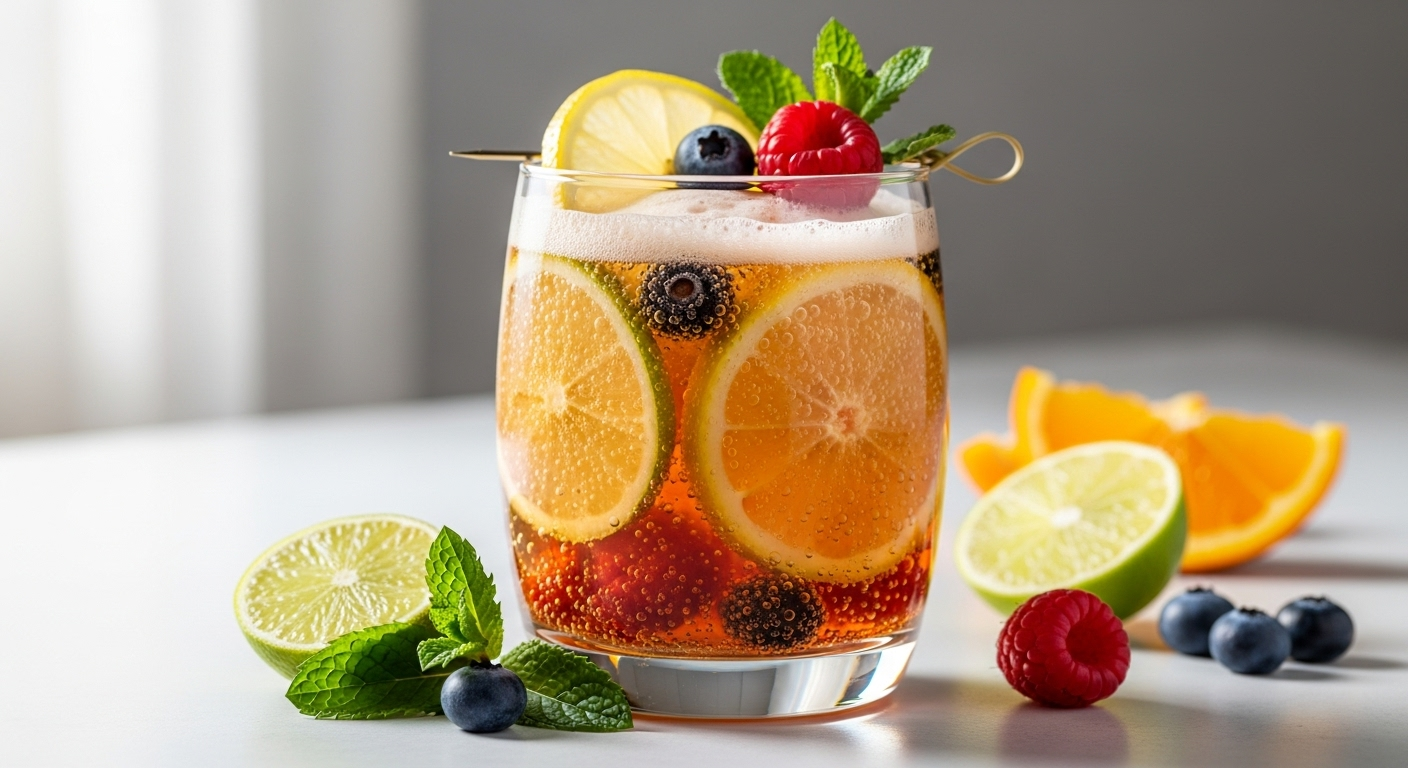
There’s something magically effervescent about the first sip of sparkling kombucha – a lively dance of tangy flavors and gentle fizz that awakens your senses and refreshes your spirit.Imagine capturing that vibrant sparkle right in your own kitchen, transforming humble tea, sugar, and a mysterious SCOBY into a bubbling elixir teeming with probiotics and personality.
Brewing your own sparkling kombucha is not just a craft; it’s an adventure in fermentation, a celebration of patience, and a toast to wellness. In this step-by-step guide, we’ll walk you through the art and science of brewing your own sparkling kombucha, unlocking the secrets to perfect carbonation, tantalizing flavors, and that irresistible fizz that keeps kombucha enthusiasts coming back for more. Let’s get brewing!

Selecting the Perfect Tea and Sweetener for optimal Fermentation
Brew Your Own Sparkling Kombucha with the right tea and sweetener to unlock vibrant flavors and a thriving SCOBY culture. The foundation of every exceptional kombucha starts here-with carefully chosen ingredients that fuel fermentation and yield that signature effervescent sparkle.
Black tea is the classic choice,rich in tannins and nutrients essential to SCOBY health,offering a robust body and deep amber color. Alternatively, green or white tea provide lighter, floral notes that create a subtler brew with refreshing brightness. Avoid flavored or herbal teas containing oils, as they can disrupt the delicate yeast and bacteria balance.
When it comes to sweeteners, organic cane sugar remains the benchmark. It’s readily metabolized by the SCOBY, driving fermentation and producing a balanced tartness. For a nuanced twist, unrefined sugars like raw turbinado or demerara can impart mild molasses undertones-but stay clear of sugar substitutes or honey, which can harm your culture.
Mastering the SCOBY Culture and Its Vital Role in Kombucha Brewing
At the heart of every successful batch lies the SCOBY (Symbiotic Culture of Bacteria and Yeast)-a gelatinous, slightly translucent disc lovingly described by brewers as a living ecosystem. This amazing culture simultaneously consumes the sugar, converting it into organic acids, natural carbonation, and probiotics, while protecting the brew from harmful contaminants.
maintaining an active, healthy SCOBY is paramount. Begin with a robust starter liquid sourced from a previous kombucha batch or trusted supplier. The ideal incubation environment stays between 70°F and 80°F, avoiding cold drafts or direct sunlight. Watching your SCOBY grow and thicken is a rewarding experience that mirrors the vitality of your brew.
Achieving the Ideal Fermentation Time for Effervescent Sparkle
Fermentation is a delicate dance between time and temperature, where patience blossoms into fizzy delight. Typically, a first fermentation lasts between 7 and 14 days, depending on ambient warmth and desired tartness. Early tasting is key-begin sampling from day 7 with a sanitized spoon,noting the balance between sweetness and tang.
A longer fermentation develops deeper acidity and a drier finish,while a shorter duration preserves residual sweetness and lighter effervescence. For those eager to capture carbonation, a second fermentation in sealed bottles rich with natural sugars or fruit purée infuses sparkle and layers of flavour. Remember: consistent temperature and a clean brewing vessel guarantee clarity and zeal in your kombucha.
Bottling Techniques and Flavoring Tips to Elevate your Homemade Kombucha
Conquering bottling is your final flourish, transforming your kombucha into a celebration of effervescent charm. Use sterilized, airtight glass bottles-preferably swing-top-to trap the carbon dioxide formed during secondary fermentation. Leave about 1-2 inches of headspace to prevent overpressure.
For added personality, infuse your kombucha with fresh herbs, ginger slices, or vibrant fruit essences. Popular combinations include lemon-ginger, raspberry-mint, or lavender-honey-adding these at bottling sparks a secondary fermentation that blossoms into naturally carbonated bursts of flavor.
Store bottles in a cool, dark place for 2 to 5 days, then refrigerate to arrest fermentation before enjoying chilled. Always “burp” your bottles daily to release excess gas safely and prevent bottle explosions.
Prep and Cook Time
- Preparation: 15 minutes
- Primary Fermentation: 7-14 days
- Secondary Fermentation & Bottling: 2-5 days
Yield
Makes approximately 1 gallon (3.8 liters) of sparkling kombucha
Difficulty Level
Medium – Beginner-pleasant with attention to detail and patience.
Ingredients
- 8 cups filtered water
- 5 bags of black tea (or equivalent lose leaf, about 10 teaspoons)
- 1 cup organic cane sugar
- 1 cup starter kombucha (unflavored and unpasteurized)
- 1 SCOBY (Symbiotic Culture of Bacteria and Yeast)
- Flavoring additions (optional): fresh ginger slices, fresh herbs, or fresh fruit purée
- Glass swing-top bottles for secondary fermentation and storage
Instructions
- Boil water in a large pot and dissolve sugar completely, stirring until fully incorporated.
- Add tea bags and steep for 10-15 minutes until the brew is strong and fragrant.
- Remove tea bags and allow the sweet tea to cool to room temperature (about 70°F to 80°F).
- Transfer cooled tea to a sterilized, wide-mouth glass jar.
- Pour in starter kombucha gently to introduce live cultures, then place the SCOBY on top. Cover the jar with breathable cloth or coffee filter and secure with a rubber band.
- Place jar in a warm, dark spot away from direct sunlight, maintaining a consistent temperature between 70°F and 80°F.
- Ferment 7-14 days, tasting every few days after day 7 using a sanitized spoon to find your preferred balance of sweetness and acidity.
- Prepare flavoring ingredients (optional) by washing and slicing fresh fruit or herbs.
- Remove SCOBY carefully and set aside in a clean container with some kombucha for future batches.
- Strain the fermented kombucha into swing-top bottles, add flavoring if desired, leaving 1-2 inches headspace.
- Seal bottles tightly and allow secondary fermentation at room temperature for 2-5 days, checking daily and “burping” to release pressure.
- Refrigerate bottles once carbonation is to your liking and enjoy chilled.
Tips for Success
- Use only glass, stainless steel, or food-safe plastic containers for brewing to avoid contamination or off-flavors.
- Maintain an uninterrupted warm environment; fluctuations below 70°F slow fermentation drastically.
- If mold appears (fuzzy, green, black), discard batch and start fresh-mold is rare but indicates contamination.
- For a lighter kombucha, shorten fermentation to avoid over-acidification.
- Keep a SCOBY hotel: store excess scobys in a jar with sweet tea for backup cultures or sharing with friends.
- Experiment with tea blends (like mixing black and green tea) for complex flavor profiles.
Serving Suggestions
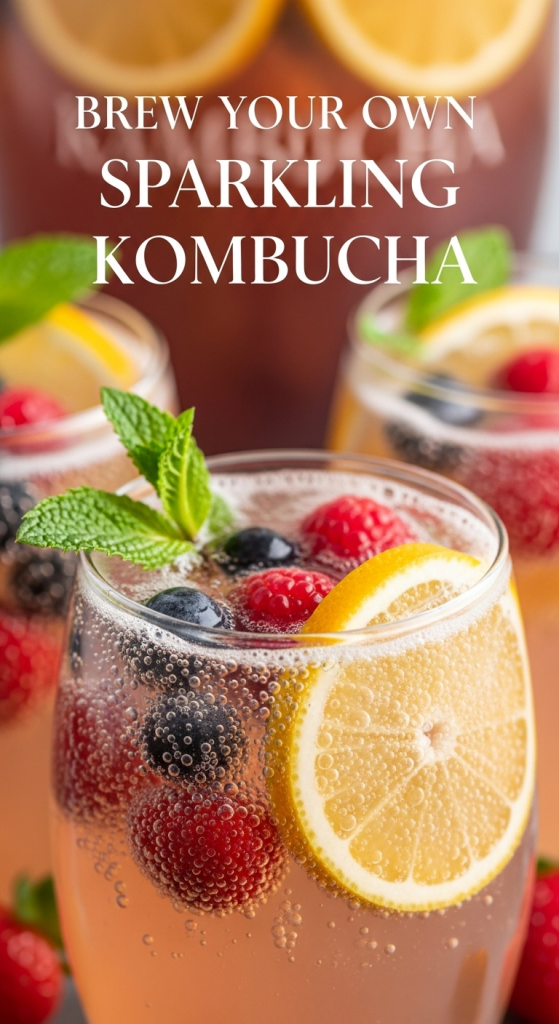
Serve your sparkling kombucha chilled in elegant glass tumblers or mason jars over ice. Garnish with a sprig of fresh mint, a thin lemon wheel, or a few floating edible flowers for a joyful presentation.Pair it with light salads or wholesome snacks for a refreshing palate cleanse.For brunch, combine with avocado toast or charcuterie featuring nuts and cheeses for a celebratory feel.
| Nutrient | Per 8 fl oz (240 ml) |
|---|---|
| Calories | 30 |
| Protein | 0.1 g |
| Carbohydrates | 7 g |
| Fat | 0 g |
Discover more on fermentation health benefits in our Guide to Probiotic fermented Drinks and enhance your brewing journey. For an in-depth scientific perspective on kombucha fermentation and SCOBY maintainance, visit the NIH National Library of medicine.
Q&A
Q&A: Brew Your Own Sparkling Kombucha – A Step-by-step Guide
Q1: What exactly is sparkling kombucha,and how does it differ from regular kombucha?
A1: Sparkling kombucha is essentially kombucha infused with natural effervescence-those delightful bubbles that tickle your palate. While regular kombucha is still or gently fizzy, sparkling kombucha undergoes a secondary fermentation that produces more carbon dioxide, resulting in a lively, bubbly drink that’s as refreshing as it is indeed tangy.
Q2: What basic ingredients do I need to start brewing sparkling kombucha at home?
A2: At its core, you’ll need brewed sweet tea (usually black or green tea sweetened with sugar), a SCOBY (Symbiotic Culture of Bacteria and Yeast), starter kombucha to jumpstart fermentation, and a clean airtight bottle for the sparkling phase. optional flavorings like fresh fruit, herbs, or ginger can be added before bottling for a personalized sparkling twist!
Q3: How do I prepare the tea base for kombucha brewing?
A3: Brew your tea using good-quality tea leaves or bags, steeped in boiling water. Add sugar while the tea is hot to dissolve it completely-this will feed your SCOBY and fuel fermentation.Once cooled to room temperature, the sweet tea is ready to welcome the SCOBY and starter kombucha.
Q4: what’s the role of the SCOBY in kombucha fermentation?
A4: The SCOBY is the living heart of kombucha-a gelatinous,symbiotic culture of bacteria and yeast. It ferments the sweet tea by consuming sugar and producing organic acids, probiotics, and carbonation. Think of it as the magical conductor turning sweet tea into tangy, healthful kombucha.
Q5: How long does the first fermentation take, and how can I tell it’s ready?
A5: The initial ferment usually takes 7 to 14 days, depending on room temperature and personal taste preferences.You’ll notice the tea becomes slightly vinegary and less sweet, with a slight effervescent fizz starting to form. When it tastes pleasantly tangy with just a hint of sweetness, it’s time for the next step.
Q6: How do I get that sparkling fizz in my kombucha?
A6: After the first fermentation, transfer your kombucha into airtight bottles with your chosen flavorings. Seal them tightly and leave them at room temperature for 2 to 5 days for a secondary fermentation. During this period, the remaining sugars turn into carbon dioxide, giving your kombucha that signature sparkle. Remember to “burp” the bottles carefully to release excess pressure and avoid explosions!
Q7: What are some popular natural flavorings to add during bottling?
A7: Nature provides endless options! Fresh ginger, lemon zest, berries, hibiscus flowers, mint leaves, or even pieces of tropical fruit like pineapple make excellent flavor boosters. These not only add complexity but also feed the yeast during secondary fermentation, helping to build up bubbles.
Q8: How should I store my sparkling kombucha once it’s ready?
A8: Once your kombucha reaches the desired fizziness, refrigerate it to slow fermentation and preserve carbonation. Keep it chilled and consume within a week or two for the best taste and bubbles.
Q9: are there any important safety tips I should keep in mind while brewing kombucha?
A9: Absolutely! Always use clean, sterilized jars and bottles to prevent unwanted bacteria. Avoid metal containers except for stainless steel, as acidic kombucha can react with metals like aluminum. Keep your brew in a well-ventilated area at room temperature, out of direct sunlight, and never use flavored teas with oils or additives that can harm the SCOBY.
Q10: Can I reuse my SCOBY indefinitely for multiple batches?
A10: Yes! SCOBYs multiply with each batch, creating “baby” SCOBY layers that you can separate and use to start fresh brews or share with friends. Keep your SCOBY healthy by feeding it regularly with sweet tea, and it’ll keep dancing through fermentation for many delicious batches to come.
To Wrap It Up
Embarking on your sparkling kombucha brewing journey is more than just crafting a fizzy, tangy drink-it’s an invitation to nurture a living tradition right in your kitchen. with each batch, you’re not only mastering a delightful fermentation process but also tuning into the subtle dance of flavors and effervescence that make kombucha truly unique.
So,gather your ingredients,embrace the science and art of brewing,and let your homemade sparkling kombucha be a refreshing testament to patience,creativity,and care. Happy brewing!