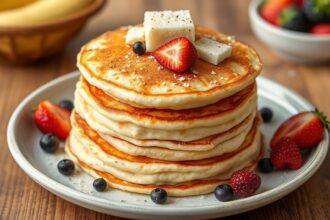
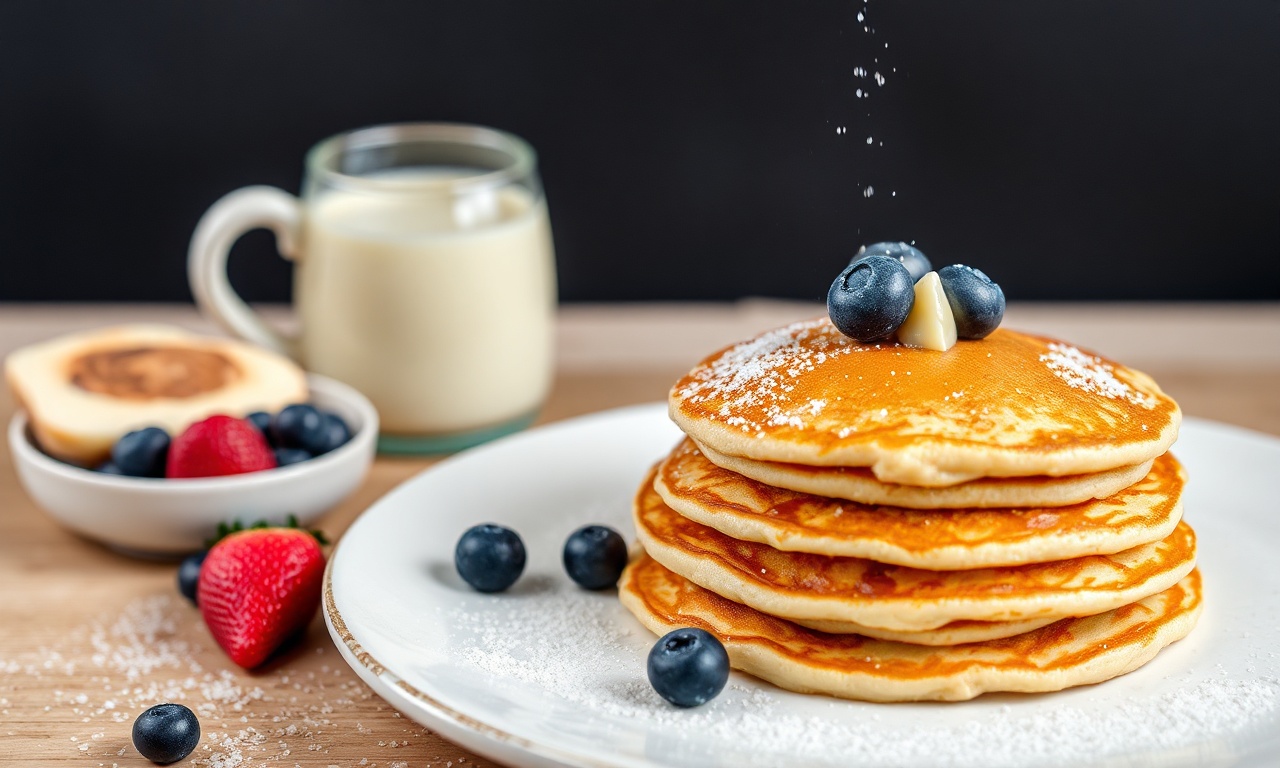
Protein pancakes turn breakfast into performance fuel. When you get the batter right, you get that soft, fluffy crumb plus enough protein to hold you steady until lunch. And when you add smart toppings, you also boost fiber, healthy fats, and micronutrients.
- Why protein pancakes feel different (and how to make them reliably fluffy)
- The 7-ingredient fluffy protein pancake recipe (with easy swaps)
- Ingredients (makes ~8 pancakes)
- Step-by-step instructions
- Consistency check (the “thick but pourable” rule)
- How to choose protein powder for pancake fluffiness
- Whey isolate: best for lift and mild flavor
- Pea protein: best for moisture (with the right liquid)
- Quick test: the “fold resistance” method
- Topping strategy: high-protein, high-satisfaction stacks
- Pro-Caution: the most common protein pancake mistakes
- Overmixing makes them tough
- Skipping the rest leads to a flat crumb
- Using too little liquid dries the protein
- Make-ahead, freezing, and reheating for busy mornings
- Nutrition: what to expect from protein pancakes
- Flavor variations that still cook fluffy
- FAQ
At a Glance
- Use the right protein: choose whey isolate for lift or pea protein for moisture.
- Balance thickness: protein powder absorbs liquid fast—add milk gradually.
- Rest before cooking: 5–8 minutes improves hydration and rise.
- Cook low and slow: medium-low heat prevents rubbery texture.
Why protein pancakes feel different (and how to make them reliably fluffy)
Classic pancakes rely on flour starch and eggs for structure. Protein pancakes swap in protein powder, which changes hydration, browning, and final texture. If you treat protein powder like regular flour, the pancakes often turn dense or dry.
The goal is simple: hydrate the protein and develop gentle structure without overmixing. To do that, you’ll measure liquid carefully, rest the batter, and cook on medium-low heat so the center sets before the outside browns.
What protein powder does to batter
Protein powders vary in how they dissolve and bind water. Whey protein isolate typically dissolves easily and can help create a lighter texture. Pea protein often holds moisture well but may need slightly more liquid to avoid a firm bite.
Protein also influences browning. Many protein powders contain milk solids or added ingredients that can darken faster than plain flour. That’s why heat control matters more for protein pancakes than for standard pancakes.
For background on protein types and how they behave in nutrition, see whey protein.
Leavening and rise: baking powder meets hydration
Baking powder creates the bubbles that lift pancakes. But those bubbles only work well if the batter has enough moisture for the batter to expand. Resting gives flour and protein time to hydrate, which improves the overall crumb.
If you skip the rest, you often get a pancake that tastes fine but feels heavy. If you rest too long, batter may thicken further—so just stir and adjust liquid as needed.
To understand leavening mechanisms, you can review baking powder.
The 7-ingredient fluffy protein pancake recipe (with easy swaps)
This recipe keeps things practical and repeatable. You’ll get a batter that cooks evenly and stays tender. It also works for athletes, busy mornings, and anyone who wants a higher-protein breakfast without the dry, rubbery pancake problem.
Use one protein base—don’t mix multiple proteins unless you already know how they behave for you. Then adjust liquid only in small steps. That one habit is the difference between “good” and “wow.”
Ingredients (makes ~8 pancakes)
Dry
- 3/4 cup oat flour (finely ground oats)
- 1/2 cup protein powder (whey isolate or pea protein)
- 2 tsp baking powder
- 1 tbsp coconut sugar or maple sugar (optional)
- 1/4 tsp fine sea salt
Wet
- 1 cup unsweetened almond milk or milk of choice (add 1–3 tbsp as needed)
- 2 large eggs, room temperature
- 1 tsp vanilla extract
- 1 tbsp melted coconut oil (or neutral oil)
Step-by-step instructions
1) Whisk dry: In a bowl, whisk oat flour, protein powder, baking powder, sugar, and salt. Break up any clumps and make sure the baking powder distributes evenly.
2) Whisk wet: In a second bowl, whisk eggs, milk, vanilla, and oil until smooth. Warm eggs and oil help prevent batter from turning grainy.
3) Combine gently: Pour wet into dry. Fold with a spatula until just combined. Stop as soon as you don’t see dry streaks—overmixing toughens protein pancakes.
4) Rest 5–8 minutes: Let batter sit. During this time, protein hydrates and baking powder activates. The batter should thicken slightly.
5) Cook on medium-low: Heat a nonstick skillet over medium-low. Lightly grease with oil. Pour about 1/4 cup batter per pancake.
6) Flip when set: Cook 2–3 minutes until bubbles form and edges look set. Flip once and cook 2 minutes more until the center looks firm.
Consistency check (the “thick but pourable” rule)
If batter looks like cookie dough, add milk 1 tablespoon at a time. Protein powders absorb liquid differently, even across brands. If batter spreads too thin, add 1–2 tablespoons oat flour.
Do this adjustment before you start cooking the whole batch. Once the first pancake sets, you’ll know exactly what your batter needs.
For a broader view of how protein functions in food, you can reference protein.
How to choose protein powder for pancake fluffiness
Protein powder choice drives texture more than people expect. Two brands with the same “protein per serving” can behave very differently in heat, water absorption, and browning. Your best pick depends on the mouthfeel you want: airy or moist.
Use this section as a decision guide, then run one small test batch. A 2-pancake test takes 5 minutes and saves you from a whole-batch disappointment.
Whey isolate: best for lift and mild flavor
Whey isolate tends to dissolve well and can create a softer bite. If you want pancakes that feel closer to traditional diner style, whey isolate often delivers. It also usually mixes smoothly with oat flour.
It may brown faster than some plant proteins. That’s why medium-low heat matters.
Pea protein: best for moisture (with the right liquid)
Pea protein often holds moisture and can prevent that “dry after one minute” texture. However, it can taste a bit earthy unless you balance it with vanilla, cinnamon, or cocoa.
Expect to add a touch more milk if your batter feels too thick. Many pea-based batters need slightly more hydration for tenderness.
For general plant protein context, see legumes.
Quick test: the “fold resistance” method
After resting, lift your spatula. If batter falls slowly in thick ribbons, you’re in the right zone. If it clumps and won’t ribbon, add milk. If it runs like crepe batter, add a small spoon of oat flour.
This method works because it focuses on batter behavior, not brand claims.
Topping strategy: high-protein, high-satisfaction stacks
Toppings can make protein pancakes feel like a dessert or like a training meal—depending on your choices. The best approach combines protein + fiber + healthy fat. That combination slows digestion and reduces hunger swings.
Think of toppings as your final “macro and micronutrient design.” Pick one from each category and you’ll get a balanced plate.
Protein-rich toppings
Try plain Greek yogurt, skyr, or extra cottage cheese on the side. Nut butter also adds protein, though it brings more fat—use a measured spoon so your pancakes don’t turn into a calorie bomb.
For a crunch option, sprinkle hemp hearts or chia seeds. They add texture and help you stay full.
For seed basics, you can reference chia seeds.
Fiber and fruit add-ins
Berries work especially well because they add sweetness without heavy sugar spikes. Bananas add moisture, which can help if your batter runs dry. For a savory-leaning breakfast, try diced apples with cinnamon.
If you use frozen fruit, drain it briefly. Excess moisture can thin batter and lead to uneven cooking.
Flavor boosters that don’t wreck texture
Cinnamon, vanilla, and cocoa powder integrate smoothly. If you add chocolate chips, keep the amount modest so chips don’t stop the pancakes from setting.
For pumpkin spice, start with 1/2 to 1 tsp. Spices contain fine particles that can slightly thicken batter if you go heavy.
Pro-Caution: the most common protein pancake mistakes
Most issues come from predictable errors: wrong heat, overmixing, or batter that’s too thick. Protein pancakes are more sensitive because protein powder absorbs water and sets differently than flour alone.
Fix these early, and your pancakes will come out fluffy far more often.
Overmixing makes them tough
Stir only until combined. Once flour and protein hydrate, extra mixing builds gluten-like toughness in oat flour. You don’t want that.
If you see a few small lumps, that’s fine. Lumps disappear during resting and cooking.
Skipping the rest leads to a flat crumb
Resting gives time for hydration and leavening activation. Without that step, pancakes can rise less and feel dense in the middle.
If you made batter in advance, stir gently and check thickness. Then adjust with 1–2 tbsp milk.
Using too little liquid dries the protein
Protein powder absorbs moisture fast. A batter that seems thick “but workable” can become dry during cooking. When in doubt, add milk gradually.
Your target is thick but pourable batter that spreads slightly on the pan.
Make-ahead, freezing, and reheating for busy mornings
Protein pancakes freeze well, and reheating doesn’t ruin texture when you use the right method. This matters if you want a breakfast routine that doesn’t collapse on weekday mornings.
Batch cooking also lets you test toppings and flavor variations without committing to one plan.
How to store
Cool pancakes fully before stacking. Refrigerate in an airtight container for up to 3 days. For freezing, place parchment between pancakes to prevent sticking.
Freeze in a flat stack, then transfer to a freezer bag once firm. This keeps them from clumping.
Best reheating method
For best texture, reheat in a toaster oven or skillet over low heat. If you microwave, use short bursts and cover loosely with a paper towel to limit dryness.
Once warm, top immediately. Fresh toppings reintroduce moisture and make reheated pancakes feel “fresh cooked.”
Nutrition: what to expect from protein pancakes
Nutrition depends on protein powder type, oat flour amount, and toppings. Still, the numbers follow a clear pattern: protein pancakes tend to land higher in protein and moderate in carbs, especially when you choose unsweetened milk and modest sweeteners.
If you aim for muscle support, prioritize toppings that add protein and fiber rather than just syrup. Syrup tastes great, but it won’t keep you full the same way as yogurt and seeds.
Example macro targets (per 2 pancakes)
A typical version with 1/2 cup whey isolate and oat flour often lands around 20–30 g protein and 200–350 calories, depending on sweetener and add-ins. Your exact results will vary by brand.
To make tracking easier, log your protein powder and oat flour brands. That gives the most accurate macro view.
Flavor variations that still cook fluffy
Protein pancakes don’t have to taste like “health food.” You can build bold flavors while protecting the batter structure. The secret is keeping add-ins either powdered (cocoa, spices) or controlled (berries, banana).
Try one variation per batch so you can dial in liquid needs. Fruit and cocoa change moisture and thickening behavior.
Cinnamon maple
Add 1 tsp cinnamon to the dry mix. Top with warm maple syrup in small amounts and a dollop of Greek yogurt. The yogurt adds tang that balances sweetness.
If your batter thickens too much, add 1 tbsp milk and stir.
Chocolate banana
Replace 2 tbsp oat flour with 2 tbsp unsweetened cocoa powder. Fold in 1/3 cup mashed ripe banana. Cook on medium-low and expect slightly softer centers.
Banana adds moisture, so start with slightly less milk if your batter seems runny.
Berry burst
Fold in 1/2 cup blueberries or raspberries right before cooking. Toss fruit in a teaspoon of oat flour to reduce sinking. Cook a little longer on the first side so the center sets around the fruit.
This option feels lighter while staying satisfying.
FAQ
Can I make protein pancakes without flour?
Yes, but the texture changes. You can try oat-based alternatives like oat fiber or blended nuts, but you still need a starchy structure for softness. Start with a small test batch and adjust liquid to avoid dryness.
Why do my protein pancakes turn out rubbery?
Usually, you overmixed the batter, cooked too hot, or used too little liquid. Fold gently, rest the batter, and use medium-low heat so the center sets before the outside browns.
How much protein powder should I use per batch?
A good starting range is about 1/2 cup protein powder for this recipe’s dry base (around 3/4 cup oat flour). Too much protein powder can reduce moisture and increase firmness. Adjust by adding 1–3 tbsp milk.
Are protein pancakes good for weight loss?
They can be, if you manage toppings. Choose yogurt, seeds, and fruit instead of heavy syrup. Protein plus fiber typically improves fullness, which can help reduce snacking later.
How do I prevent sticking?
Use a nonstick pan and a thin oil layer. Let the pancake cook until edges look set before flipping. If you keep moving it too early, it tears.
What’s the best protein powder for kids?
Many parents prefer whey isolate for mild taste and smooth texture, especially when you sweeten with fruit. Start with a smaller amount and choose a flavor-free or lightly flavored protein to avoid strong aftertastes.
See also: protein pancakes