
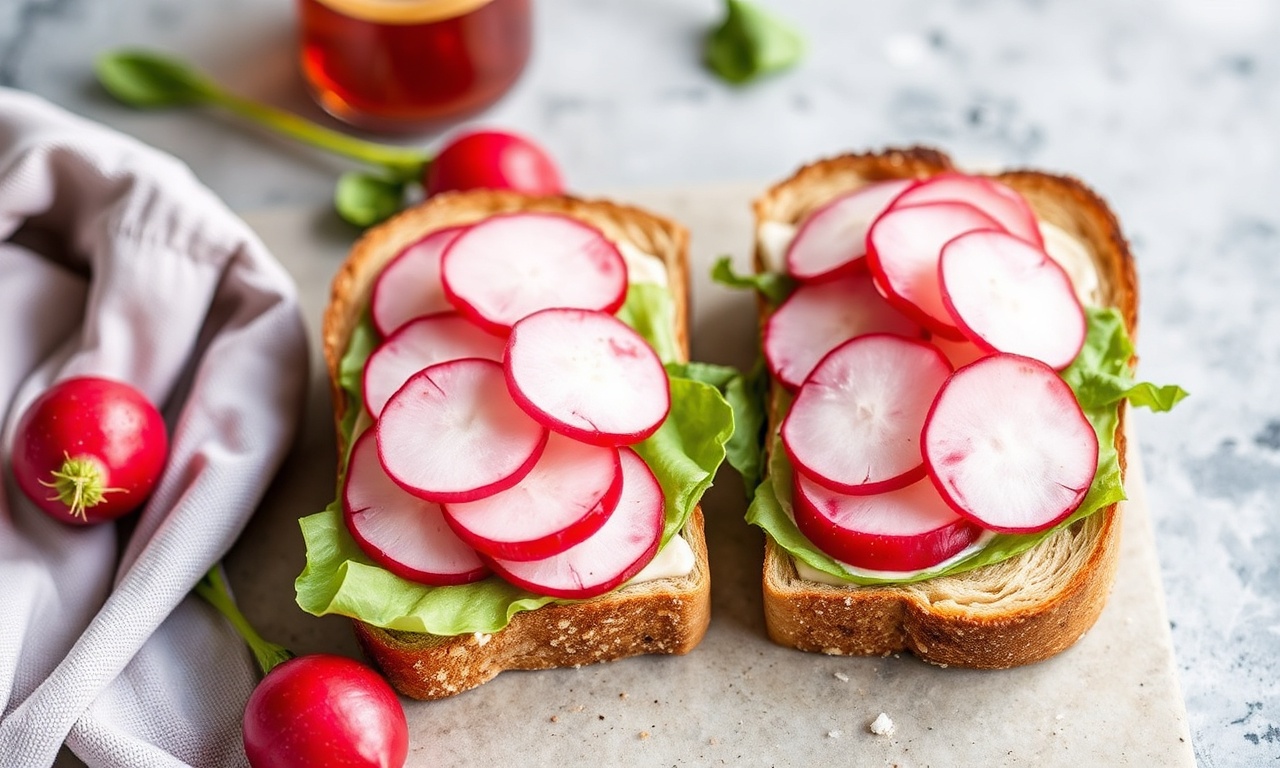
Best Radish & Butter Tea Sandwiches deliver a clean, bright bite with a smooth finish. Fresh radishes bring peppery crunch, while well-spread butter adds gentle creaminess that stays pleasant at cool serving temperatures.
- Why Radish and Butter Works So Well
- What You Need (And What to Choose)
- Equipment That Improves Consistency
- Step-by-Step: How to Make Radish and Butter Tea Sandwiches
- 1) Prep the Bread for a Clean Bite
- 2) Soften and Spread the Butter Evenly
- 3) Slice Radishes Ultra-Thin
- 4) Assemble with Gentle Pressure
- 5) Cut and Serve
- How to Keep Radish and Butter Tea Sandwiches Crisp
- Flavor Variations Without Losing the Classic Feel
- Serving Ideas That Look Like a Professional Tea Spread
- Make-Ahead and Storage (How to Plan Without Stress)
- Nutrition Snapshot (For Tea-Size Portions)
- Common Mistakes (And How to Fix Them Fast)
- FAQ
At a Glance
- Thin radish slices keep texture crisp instead of wet.
- Butter temperature matters: soft butter spreads thin and improves cohesion.
- Moisture control prevents soggy bread—dry slices, then assemble late.
- Fast upgrades like lemon, dill, or a thin goat-cheese layer keep the classic feel.
Tea sandwiches follow a simple rule: flavors must hold up at cool temperatures. Radishes provide sharp aroma and a lively bite, and butter balances that edge with stable fat. That contrast feels refined without complicated cooking steps.
You do not need special equipment beyond a sharp knife or mandoline. Most of the result comes from small choices: butter temperature, radish slice thickness, and the time you assemble.
Why Radish and Butter Works So Well
Radish flavor reads as fresh after refrigeration because its peppery character still comes through. The vegetable’s texture also resists collapse better than many softer options. For plant background and family traits, see Brassicaceae.
Butter adds a smooth coating that supports the radish in every bite. It also slightly buffers harshness, so the sandwich feels balanced rather than biting. For general radish variety context, read Radish.
Texture Is the Real Recipe
People often assume tea sandwiches depend on seasoning alone. Here, texture drives the “wow.” Thin radish slices create layered crunch, not a chunky stack that turns watery.
Butter contributes to texture, too. When it spreads evenly, it forms a thin bridge between bread and radish. That bridge helps slices stay in place and keeps each bite cohesive.
Cool-Serving Flavor Logic
At cooler temperatures, strong aromatics can feel muted, while salty notes can seem sharper. Radish offers a bright, peppery note that still comes through, and butter smooths the sensation. Salt and pepper then act like volume controls rather than dominating.
Cold bread also firms slightly, which changes how fast moisture reads. That means the butter layer should stay thin and spreadable. If you use too much butter, it can migrate and soften the crumb faster.
To understand why cool serving affects aroma and perception, it helps to review sensory basics like taste. That framework explains how perception shifts when temperatures drop.
What You Need (And What to Choose)
This Radish & Butter Tea Sandwiches recipe uses short ingredient lists for a reason. Each component must do a clear job in a small bite. Bread holds structure, butter binds, and radishes stay crisp.
Choose ingredients with performance in mind. Strong bread structure cuts cleanly and prevents crumbling. Firm radishes slice neatly and hold crispness longer.
Shopping Checklist
Bread: White or whole grain sandwich bread with enough structure. Trim crusts for a classic tea look, or keep them for a rustic presentation.
Butter: Unsalted butter gives control. Soften until it spreads smoothly, then spread thin for the best crunch retention.
Radishes: Medium radishes slice consistently. Look for firm texture and vivid color. For produce context on crucifer-like traits, see cruciferous vegetable.
Seasoning: Flaky sea salt and freshly ground black pepper. Use a light hand so the radish’s peppery character stays in front.
Optional flavor adds: lemon juice for lift, chopped dill or chives for aroma, and a thin goat-cheese layer for tang.
Ingredient Amounts (Serves 4–6)
Plan on about 12 small tea sandwiches total, depending on how large you cut them. Smaller cuts help you manage the moisture timeline.
- 12 slices sandwich bread, crusts removed (or trimmed)
- 6 tablespoons unsalted butter, softened
- 8–10 medium radishes, washed and very thinly sliced
- 1 teaspoon flaky sea salt, plus more to taste
- Freshly ground black pepper, to taste
- Optional: 1–2 tablespoons chopped dill or chives
- Optional: juice of 1/2 lemon
- Optional: 2–3 tablespoons goat cheese, whipped or softened
Equipment That Improves Consistency
You can make Radish & Butter Tea Sandwiches with basic tools. Still, a few items make results more repeatable, especially the slice thickness. Tea sandwiches reward neat cutting and consistent layering.
A mandoline helps you get paper-thin slices that hold crispness longer. A sharp knife works too. Aim for uniform thickness across every radish slice.
Helpful Tools
Mandoline or sharp knife: for thin radish slices.
Small offset spatula (optional): for fast, even butter spreading.
Paper towels: to pat radish slices dry if they look glossy.
Serious cutting board: stable surface for trimming crusts and clean shapes.
Step-by-Step: How to Make Radish and Butter Tea Sandwiches
This recipe targets a 25-minute workflow. You prep quickly, then assemble close to serving to protect crunch. That timing matters because radishes release moisture over time.
Work in this order: butter first, radishes second, sandwiches last. That sequence reduces the time bread sits exposed to radish moisture. If you want a reliable schedule, plan to build within the last hour.
1) Prep the Bread for a Clean Bite
Lay the bread slices on a clean surface. If you want extra tenderness, gently roll each slice to slightly flatten it. That improves the bite after cutting.
Trim crusts for classic tea presentation. Then plan your cutting style now: triangles look formal, rectangles feel casual but still polished.
2) Soften and Spread the Butter Evenly
Spread about 1/2 teaspoon butter per slice. Aim for a thin, even layer across the bread surface. Even coverage prevents dry spots that show up as soon as guests take a bite.
Do not melt the butter. Warm butter soaks into bread and shortens crunch life. Keep it soft, not runny.
After you spread butter, check the surface. You should see a thin coat, not a puddle. A thin layer also helps the sandwich stay from feeling greasy.
3) Slice Radishes Ultra-Thin
Slice radishes as thin as possible without tearing. Uniform slices create edge-to-edge crunch instead of a few thick zones that turn mushy first.
If you use lemon juice, toss radish slices briefly, then drain well. Excess juice increases moisture transfer into the bread. For culinary chemistry context on salt and flavor perception, see salt.
For safe prep and storage principles, consider how moisture and time interact with food texture. A quick reference on food-related temperature concepts can help, such as refrigeration.
[ TIP ]Expert Insight: Slice first, then pat radish slices lightly with paper towels if they look wet or glossy. Less surface moisture slows sogginess later, especially when you assemble close to serving.[/TIP ]
4) Assemble with Gentle Pressure
Place radish slices over the buttered side of half the bread slices. Layer generously, but avoid overcrowding. Compressed piles release more moisture.
Season lightly with flaky sea salt and black pepper. Add herbs in small pinches so the aroma supports the radish instead of overpowering it.
5) Cut and Serve
Top each sandwich with the remaining bread slices, butter side down. Press gently, just enough to help the layers stick. Too much pressure crushes texture.
Cut into triangles or finger-width rectangles. Arrange on a platter and serve soon—ideally within 30–90 minutes for maximum crispness.
How to Keep Radish and Butter Tea Sandwiches Crisp
Radish sandwiches go soft when water travels from radish to bread. You cannot stop time, but you can manage the transfer rate and keep flavor brighter. The goal is slower moisture movement, not thicker layers.
Think of crispness as a system. Slice thickness, surface dryness, butter temperature, and assembly timing all work together. When you control those factors, Radish & Butter Tea Sandwiches stay crisp longer.
Timing Rules That Matter
Prepare components ahead, then assemble late. Slice radishes and butter the bread earlier, but keep them separate until you are ready to build. That reduces total “wet time” between radish and bread.
Once assembled, chill if needed, but do not store for long stretches. Crispness usually drops after a few hours due to moisture migration. Cooler storage helps, but it cannot erase transfer.
Portion Size and Stack Strategy
Cut smaller tea bites. Smaller surfaces lose crispness faster if exposed to air, but they also get eaten sooner. That timing often matters more than exact portion weight.
Store assembled sandwiches with light stacking pressure. Heavy stacking crushes radish layers and speeds sogginess. Treat the sandwiches like something delicate, even when the bread looks sturdy.
Flavor Variations Without Losing the Classic Feel
Radish and butter already taste classic: sharp, creamy, and clean. You can adjust with small additions that add aroma or tang without muddying the core contrast. Keep radish crunch central, and place add-ons so they support the bite.
When you test variations, keep the balance in mind. Add-ons should sit on top or lightly beneath the radish. That way, the bread-to-radish bite still reads as crisp.
Lemon + Pepper Brightening
Add lemon juice to radish slices briefly before draining, or add a tiny amount of lemon zest to the butter. Both approaches boost brightness while keeping Radish & Butter Tea Sandwiches balanced.
Use a light hand. Lemon can intensify radish sharpness, and too much citrus can overwhelm the gentle dairy base.
Herb Switch: Dill, Chives, or Tarragon
Dill and chives pair naturally with radish. They deliver grassy aromas that match the vegetable’s freshness. Keep chopped herb amounts modest so guests taste radish first.
Chopped tarragon gives a more “grown-up” profile. Use it sparingly to avoid masking the peppery edge.
Goat Cheese for Tangy Creaminess
For a Mediterranean-leaning twist, spread a thin layer of goat cheese beneath the butter. Goat cheese adds tang and creamy complexity while still letting radish crunch lead.
If goat cheese feels thick, whip it with a teaspoon of butter. Then spread thin. Thick layers soak into bread and reduce texture fast.
Serving Ideas That Look Like a Professional Tea Spread
Radish and butter tea sandwiches succeed visually because people eat with their eyes first. Your goal is neat placement, height, and contrast. Small details make the platter look intentional.
A plain plate can still feel special with structure. Arrange in rows, rotate triangles outward, and garnish lightly. Keep garnish edible and minimal so Radish & Butter Tea Sandwiches remain the star.
Platter Styling (Fast and Elegant)
Use a tiered stand if you have one. Place the crispest sandwiches on top because airflow helps them stay fresh a bit longer. That simple choice boosts perceived quality at serving time.
Garnish with simple items like microgreens or thin radish rounds. Choose garnishes that match the sandwich flavor and do not add extra moisture.
What to Pair With
A mild black tea works well because its tannins complement butter’s richness. That pairing keeps radish from tasting dull. If you want a fragrant citrus note, Earl Grey also pairs nicely.
For tea background, use black tea and Earl Grey. On the food side, cucumber sandwiches pair well. Together, they balance textures: radish crunch plus cucumber freshness.
Make-Ahead and Storage (How to Plan Without Stress)
You can reduce day-of chaos by prepping components in advance. The key is separating wet and bread contact until the last moment. That habit makes Radish & Butter Tea Sandwiches more reliable.
Do not assemble early if you care about maximum crispness. You can still plan well—just assemble later and keep textures separate.
Best Make-Ahead Strategy
Step 1: Slice radishes and store them dry in the fridge in an open container or on paper towels. Dry storage slows moisture transfer.
Step 2: Soften butter and spread on bread only if you will assemble soon. If you cannot assemble the same day, refrigerate bread with butter covered tightly to prevent drying.
How Long They Last
Assembled sandwiches taste best within a few hours. Refrigerate promptly if your room gets warm. Cooler temperatures slow texture change, even if they do not stop moisture transfer.
Expect crispness to decline over time. That pattern is normal for any sandwich with fresh, watery produce. Your best defense is assembling close to serving.
Nutrition Snapshot (For Tea-Size Portions)
These sandwiches stay relatively light because portions stay small and you control butter quantity. Exact numbers vary by bread brand and butter fat level.
As a rough guide, a tea-size sandwich often lands around 90–110 calories. The main sources are carbs from bread and fat from butter.
Common Mistakes (And How to Fix Them Fast)
Most Radish & Butter Tea Sandwiches failures come from moisture, temperature, or slice thickness. Fix those, and the sandwich almost always works. The ingredients stay simple, but your process decides the outcome.
If you run into trouble, use this troubleshooting list like a quick checklist. Then adjust one factor at a time so you know what changed.
My sandwiches got soggy.
Your radish slices likely sat too long on the bread, or your butter was too warm. Assemble closer to serving and pat radishes dry before building.
Also check slice thickness. Thicker slices hold more water and increase moisture transfer. If you want faster crispness, go thinner.
My radishes tore or looked uneven.
Use a mandoline or sharpen your knife. Take consistent passes and keep your blade angle steady. Clean cuts lead to clean stacking.
Uneven slices create thick pockets that feel mushy faster after refrigeration. Uniform thickness protects texture and bite quality.
The flavor tastes flat.
Increase seasoning slightly with salt and fresh pepper. You can also add a tiny amount of lemon zest to butter for aroma.
Herbs help too, but start small. If you add too much, you hide the radish’s peppery character. Balance first, then adjust.
FAQ
What bread works best for radish and butter tea sandwiches?
Use white or whole grain sandwich bread that stays tender but sturdy. It should hold a thin butter layer without collapsing and cut cleanly into triangles or rectangles.
If the bread feels overly soft, it absorbs moisture faster. Choose bread with good structure and a tight crumb for the best crunch.
How thin should I slice the radishes?
Slice them as thin as possible without tearing. Thin slices distribute crispness across Radish & Butter Tea Sandwiches and reduce bulky texture that can feel wet.
If your slices bend instead of lying flat, sharpen your blade or use thinner mandoline settings. Consistent thickness makes assembly easier and improves bite quality.
Can I prepare components ahead of time?
Yes. Slice radishes and soften butter ahead, then assemble close to serving. Keep radishes slightly dry and store them in the fridge until you build sandwiches.
To keep texture reliable, avoid stacking wet components together. Separation preserves crispness during the waiting period.
How do I prevent sogginess?
Pat glossy radish slices dry, avoid melted butter, and assemble late. Then store assembled sandwiches chilled and serve within a few hours for best texture.
Also keep layers gentle. Heavy pressure speeds water migration and crushes the crisp structure.
What seasonings balance radish’s peppery flavor?
Flaky sea salt and freshly ground black pepper work best because they enhance brightness without masking radish. Lemon juice can add lift, but use it lightly in small amounts.
For seasoning basics, review how salt changes perception using salt. Then season in small steps until the bite tastes balanced.
See also: Radish butter