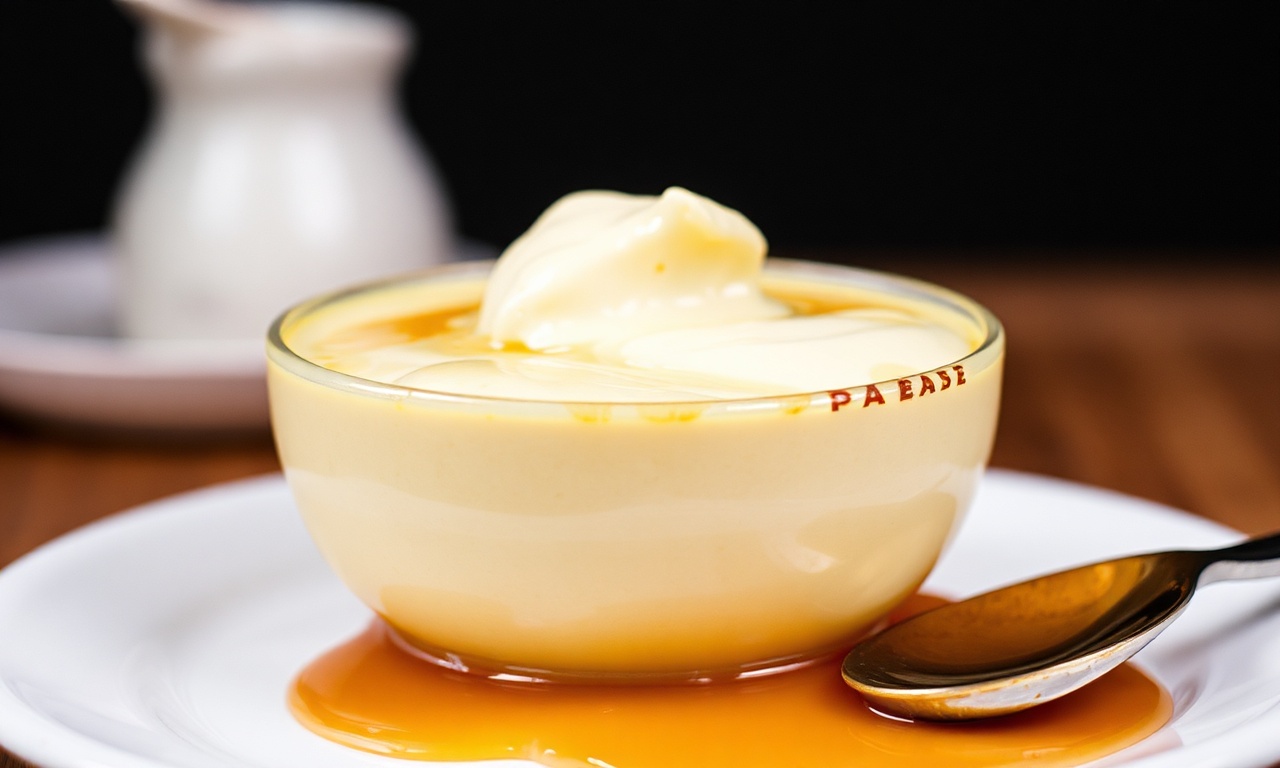
Caramelized milk pudding delivers a warm, toasty flavor and a silky custard texture. This dessert turns plain milk and sugar into an amber masterpiece through controlled heat and steady timing. If you want a crisp caramel top and a smooth center, this guide will help you get there fast and reliably.
- Prep and Cook Time
- Yield
- Difficulty Level
- Ingredients
- Instructions
- Tips for Success: Mastering Caramelized Milk Pudding
- Serving Suggestions
- Q&A
- What exactly is caramelized milk pudding?
- How does caramelizing milk change the flavor?
- What milk works best for the smoothest pudding?
- How do I avoid a grainy texture?
- How do I keep the caramel crust crisp?
- To sum up
At a Glance
- Caramelize carefully: deep amber color, not burnt notes.
- Temper the yolks: protects texture from curdling.
- Cook to nappe: thick enough to coat a spoon.
- Finish with a caramel crust: torch or broiler right before serving.
The sweet appeal of caramelized milk pudding comes from two processes working together. First, sugar turns golden as it heats. Then, egg yolks thicken the dairy into a stable custard.
When you control temperature and stirring, you unlock caramel notes with no grainy texture. You also keep the custard smooth enough to spoon cleanly and hold its shape after chilling.
Caramelized milk pudding begins with a delicate dance of heat, time, and ingredients that transforms milk into an amber-hued, velvety dessert. This classic style of custard draws on core food chemistry: sugar browning, flavor formation, and protein setting. For background, you can review the basics behind Maillard reaction and why browning creates complex aromas. I’ll walk you through each step so you can reproduce that glossy caramel layer at home.
Prep and Cook Time
Plan your schedule before you start. Caramelized milk pudding rewards calm, even heat and gives you the best results when you chill long enough for the custard to set.
These timings assume a stovetop custard with an egg-yolk base. Your cooling time matters as much as your cooking time for sliceable, spoon-friendly texture.
- Readiness: 15 minutes
- Cooking: 1 hour 20 minutes
- Cooling/Chilling: 4 hours or overnight
Yield
This recipe yields servings that look elegant in ramekins. It also holds up well if you plan to serve guests the same day after chilling.
Use shallow dishes if you want a thinner custard and extra surface for the caramel crust. Use deeper ramekins if you want a thicker spoonful with a more custard-forward bite.
Serves: 6
Difficulty Level
Caramelized milk pudding feels simple, but it does require attention. You must avoid boiling and you must temper yolks so proteins set smoothly.
If you can make a basic custard, you already have the skills. The key difference is the caramel finish, which you should apply close to serving for the best crisp top.
Difficulty: Medium
Ingredients
Choose ingredients for consistency and smoothness. Whole milk creates the richest mouthfeel, and fresh egg yolks help the custard set cleanly.
Split the sugar so you control caramel color and also dissolve sugar evenly in the custard base. If you use fine salt, it balances sweetness without tasting salty.
- 4 cups whole milk (at least 3.5% fat for a creamier texture)
- 1 cup granulated sugar (divided)
- 4 large egg yolks, room temperature
- 1 teaspoon pure vanilla extract
- 1/4 teaspoon fine sea salt
- 2 tablespoons unsalted butter, softened (optional)
Instructions
Work step by step and keep your heat steady. Rushing causes burnt sugar, scrambled eggs, or a custard that feels thin after chilling.
Also, keep a bowl of cold water ready while caramelizes—if your caramel gets too dark, you need quick correction. For the science behind caramel formation, see caramelization.
- Caramelize the sugar: Add 1/2 cup granulated sugar to a heavy-bottomed saucepan over medium heat. Stir gently until it melts and turns deep golden amber (about 7-9 minutes). Watch closely; sugar can burn fast. Remove from heat and slowly swirl in 2 cups whole milk. Stop the caramel right away so the flavor stays sweet, not bitter.
- Heat remaining milk: In another saucepan, combine the remaining 2 cups milk and 1/2 cup sugar. Warm over medium heat until steaming, not boiling. This helps dissolve sugar evenly and supports a smooth custard.
- Whisk egg yolks: In a bowl, whisk egg yolks, vanilla, and salt until pale and slightly thickened. Temper slowly by adding about 1/2 cup of the warm milk mixture while whisking constantly.
- Combine mixtures: Slowly pour the tempered yolk mixture into the saucepan with the caramelized milk. Whisk as you pour. If using butter, whisk it in now for extra richness.
- Cook the custard: Return to low-medium heat. Stir constantly with a wooden spoon or heat-safe spatula, scraping the bottom and edges. Cook until thick enough to coat the back of a spoon, about 15-20 minutes. Avoid boiling; boiling can break the custard structure and create curdled bits. For a helpful reference on protein behavior in cooking, review custard fundamentals.
- Strain and chill: Pour through a fine-mesh sieve into a clean bowl. Press gently so you catch any coagulated proteins. Cover with plastic wrap touching the surface to prevent skin. Refrigerate for at least 4 hours, ideally overnight.
- Create the golden caramel layer: Right before serving, sprinkle a thin, even layer of granulated sugar on top. Use a kitchen torch to melt and caramelize until crisp and golden. Alternatively, broil briefly under a preheated broiler and watch continuously. The crust should set quickly, then stay crisp while the custard stays cold.
Tips for Success: Mastering Caramelized Milk Pudding
Small choices improve your final texture and flavor. Follow the tips below and you’ll avoid the most common failures: burnt caramel, scrambled yolks, and watery custard.
These pointers also help you troubleshoot quickly when your kitchen conditions differ from the recipe. Heat levels vary by stove, and that matters for caramel timing and custard thickness.
- Ingredient quality matters: Use whole milk with solid fat content for a smoother mouthfeel. Fresh yolks set more evenly and support a creamy custard structure.
- Patience with temperature: Keep heat at low-medium. When dairy heats too fast, proteins seize and can form grains.
- Caramel timing: Pull caramel the moment it turns deep amber. Carryover heat continues browning, and bitterness can show up quickly.
- Straining is key: Strain before chilling to remove any tiny coagulated bits. This step protects the dessert’s signature silky texture.
- Torch or broiler: A torch gives more control for even caramelization on top. If broiling, shorten the time and watch closely.
- Make ahead: You can prepare the custard up to a day early. Add the caramel crust just before serving to keep it crisp.
When you cook custard, you’re managing how proteins and sugars behave together. If you want a clearer view of how heat changes structure, read about protein denaturation.
Also, use a timer for each phase. Your caramel window is short, and your custard thickens gradually. Timers reduce guesswork and keep the dessert consistent.
Serving Suggestions
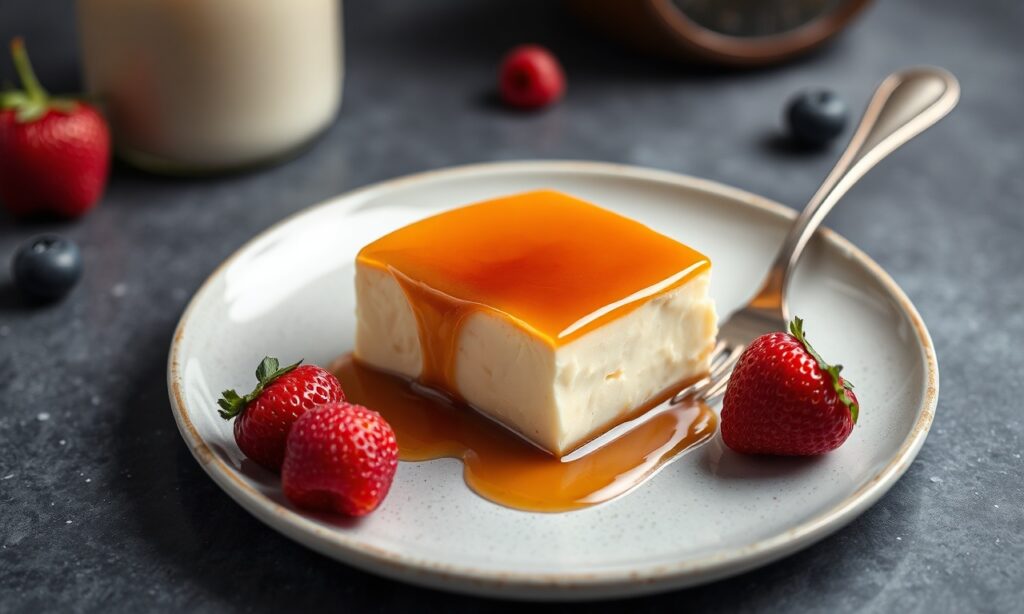
Serve caramelized milk pudding cold with a crisp top. The contrast between a chilled custard and a crackly caramel crust creates the signature sensory experience.
Use ramekins or small glass bowls to show off the caramel surface. Then, add a simple garnish that won’t steal focus from the caramel and vanilla notes.
Garnish ideas: toasted almond slivers, a small scatter of cinnamon, or a few fresh berries for color. Serve with small spoons so guests can crack the crust without spilling the custard.
If you want a deeper caramel feel, let the crust sit for 30-60 seconds after torching, then serve immediately. If you wait too long, humidity softens the crust.
| Nutrient | per Serving |
|---|---|
| Calories | 240 kcal |
| Protein | 6 g |
| Carbohydrates | 32 g |
| Fat | 10 g |
If you’re exploring other custard styles, you’ll notice different textures based on heat method and ingredient ratios. For broader context, check creme anglaise and related custard categories.
To understand why heat and time matter so much, review cooking principles. They explain how controlled temperatures drive safe setting and consistent texture.
Q&A
Quick answers help you troubleshoot without starting over. Use this section when you run into texture questions, caramel crust issues, or timing confusion.
All answers focus on practical fixes you can apply right away. That way, your caramelized milk pudding stays smooth, fragrant, and properly set.
What exactly is caramelized milk pudding?
Caramelized milk pudding is a custard-style dessert made by warming milk and sugar, then thickening the mixture with egg yolks. The top gets a caramelized sugar layer for a crisp, amber crust.
The result mixes creamy dairy texture with toasted caramel aromas. It feels rich but balanced when you keep heat under control.
How does caramelizing milk change the flavor?
Caramelizing sugar and heating dairy create new flavor compounds. Sugar browns into nutty, toasted notes, while heat also supports aroma formation that feels more complex than plain sweetness.
For more on browning pathways, you can review caramelization and Maillard reaction.
What milk works best for the smoothest pudding?
Whole milk gives the best balance of creaminess and custard structure. Higher fat supports a silky texture and improves how the caramel notes read on the palate.
If you substitute, keep the spirit of the recipe: enough fat for richness and enough dairy protein for proper setting.
How do I avoid a grainy texture?
Graininess usually comes from overheating or from yolks that scramble. Keep heat low-medium and stir constantly while cooking the custard.
Straining before chilling removes any tiny coagulated particles. Tempering the yolks slowly also protects the custard’s smooth, stable set.
How do I keep the caramel crust crisp?
Apply the caramel layer right before serving. Crisp sugar needs cool custard underneath, but it also needs low humidity around the surface.
If the crust softens, it usually means time passed after torching. Serve immediately, and keep the pudding chilled until the last minute.
To sum up
Caramelized milk pudding turns simple ingredients into an elegant dessert through precise heat control. You caramelize sugar for depth, temper yolks for smooth thickening, then chill for a clean set.
When you add the crust just before serving, you get the best texture contrast: crisp caramel on top and creamy custard in the center. Use the steps and tips above, and you’ll repeat that result with confidence.
See also: caramelized milk pudding