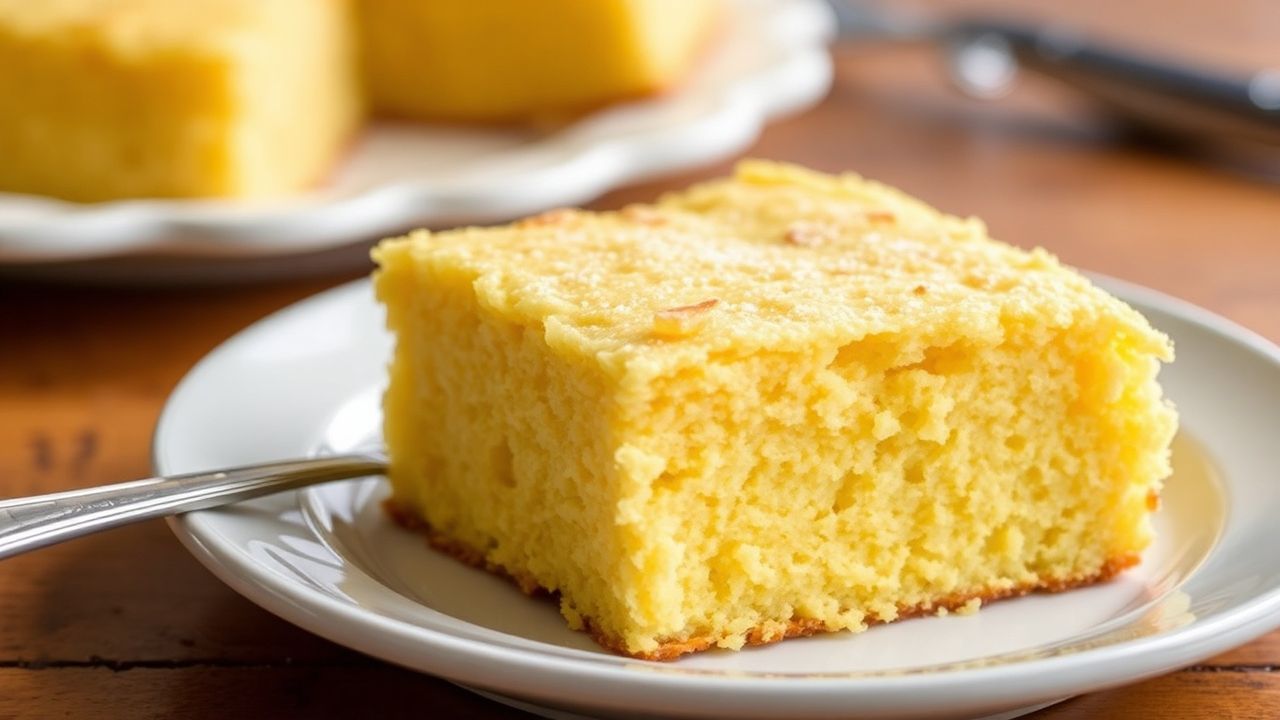
There’s something genuinely magical about a Southern buttermilk cornbread slice—golden, crumbly, and built for comfort. It doesn’t just fill a plate; it earns a permanent spot on the table because the flavor stays steady and the texture stays tender.
At a Glance
- Buttermilk adds tang and keeps the crumb moist.
- Hot skillet boosts browning and a crisp edge.
- Minimal mixing prevents tough cornbread.
- Resting helps the crumb set for clean slices.
More than a side dish, this classic recipe reflects how Southern cooks rely on simple staples: cornmeal, dairy, fat, and heat. Families repeat the method because it works—every time, with only small adjustments.
In this guide, you’ll learn how to make timeless Southern buttermilk cornbread with foolproof technique. You’ll also get clear timing, reliable doneness cues, and practical add-in options that stay faithful to the classic flavor profile.
Discovering the Soul of Southern Buttermilk Cornbread
Southern buttermilk cornbread carries a strong regional identity, and the key idea is simple: cornmeal provides structure, while buttermilk improves tenderness. That balance creates the signature crumb you expect—soft, not gummy, with a lightly crisp crust.
Cornmeal itself traces back to long-standing food traditions across the Americas, including early corn cultivation and food processing. For background on the ingredient at the heart of this bake, see cornmeal.
When people describe Southern cornbread as “authentic,” they usually mean the skillet method, the flavor from buttermilk, and the short ingredient list. You’ll keep those hallmarks while using modern measurement for consistent results.
Why Buttermilk Changes the Texture
Buttermilk contains acidity, which interacts with leavening agents and helps the crumb rise and stay tender. This same chemistry explains why cultured dairy often improves baked goods compared with plain milk alone.
If you want the science at a high level, review buttermilk and baking powder. You’ll see how acidity supports a lighter baked texture when combined with the right leavening.
Prep and Cook Time
- Planning: 10 minutes
- Cooking: 25 minutes
- Total Time: 35 minutes
This timeline works because cornbread bakes fast and the crust sets quickly. Start preheating early so your skillet gets fully hot before batter hits the pan.
Yield
8 generous servings
Cut thick slices for best texture. Thin slices bake fine, but they dry out faster—especially if you store them uncovered.
Difficulty Level
Easy — beginner-friendly, with one skill focus: gentle mixing. You’ll stir just until the dry and wet ingredients connect.
If you’ve never baked cornbread in a skillet, don’t overthink it. The method is consistent, and the cues in this recipe guide you every step.
Ingredients for Authentic Buttermilk Cornbread
These ingredients create the classic Southern flavor: cornmeal for taste and structure, buttermilk for tang and tenderness, and a bit of fat for browning. Use room-temperature eggs to help the batter mix smoothly.
For ingredient literacy, you can explore corn and skillet as helpful reference points. The practical takeaway stays the same: heat and cornmeal quality drive the final bite.
- 1 cup yellow cornmeal, stone-ground preferred
- 1 cup all-purpose flour, sifted
- 1 teaspoon baking powder
- 1/2 teaspoon baking soda
- 1 teaspoon fine sea salt
- 2 large eggs, room temperature
- 1 1/4 cups buttermilk, cold
- 1/4 cup unsalted butter, melted + extra for the skillet
- 1 tablespoon honey or light maple syrup (optional, for subtle sweetness)
Optional sweetness rounds out the cornmeal flavor without turning the cornbread dessert-like. Keep it subtle, especially if you plan to serve with savory dishes.
If you swap cornmeal types, expect a slight texture change. Fine or medium grind gives a softer crumb, while coarse meal adds crunchier bites.
Step-by-Step Instructions for Perfect Southern Buttermilk Cornbread
Start with a fully preheated skillet. That first contact between hot metal and batter sets the crust fast, so you avoid a pale top and rubbery edges.
Then mix carefully. Overmixing develops gluten from flour and toughens the crumb.
- Preheat your oven to 425°F (220°C). Generously butter a 9-inch cast-iron skillet or baking pan. Hot fat helps form a signature crisp crust.
- In a large bowl, whisk together the cornmeal, sifted flour, baking powder, baking soda, and salt. Break up lumps so the rise stays even.
- In a separate bowl, beat the eggs until frothy. Slowly whisk in the cold buttermilk, melted butter, and honey (if using).
- Pour the wet ingredients into the dry. Fold gently with a spatula until you stop seeing dry flour. The batter can look slightly lumpy—this protects tenderness.
- Carefully pour batter into the heated skillet. You should hear a quick sizzle. That sound means you’re getting browning on contact.
- Bake for 20–25 minutes until the top is deep golden and a toothpick comes out clean or with a few moist crumbs. For extra color, broil for 1–2 minutes, watching closely.
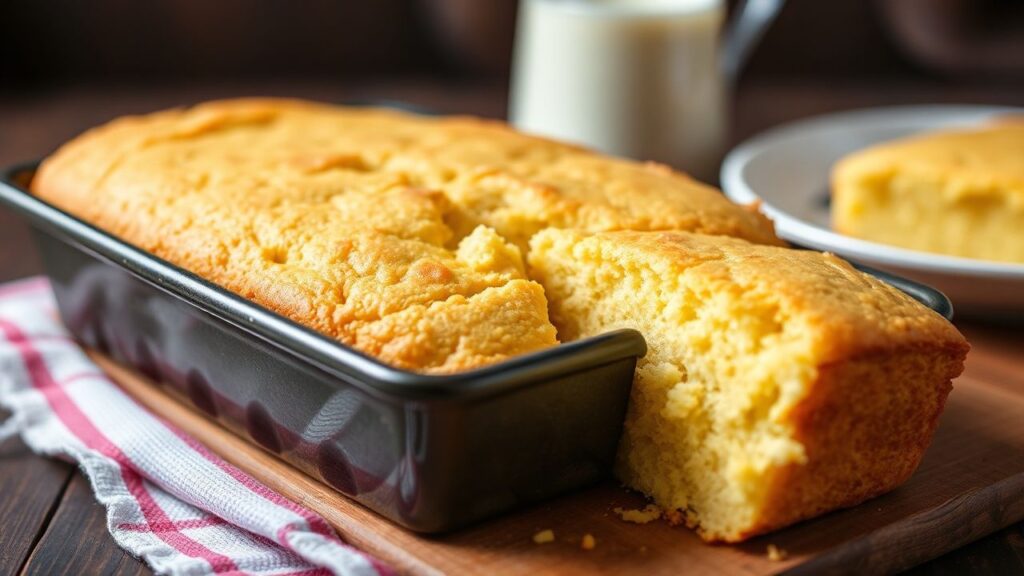
- Rest for at least 10 minutes before slicing. Resting lets steam redistribute and firms up the crumb for cleaner cuts.
Doneness matters more than time. Every oven runs slightly different, so check at the 20-minute mark and adjust in small increments.
If your crust browns too fast, tent loosely with foil for the final minutes. This keeps the inside from drying out while the top finishes.
Tips for Success — Your Cornbread Companion
Use these practical shortcuts to lock in results. Each tip targets a common failure point: dryness, bland flavor, or a weak crust.
When you want reliable texture, keep the batter cool and handle it lightly. Cornbread batter thickens as it sits, so mix and bake promptly.
- Choosing Ingredients: Stone-ground yellow cornmeal adds a rustic texture and strong corn aroma. If you use a finer grind, expect a softer crumb.
- Buttermilk Substitute: Mix 1 tablespoon lemon juice or white vinegar into 1 1/4 cups milk. Let it rest 5 minutes, then use it. The acidity helps mimic buttermilk’s effect.
- Prevent Dryness: Start checking around 18 minutes. Moist crumbs on a toothpick mean the center stays tender after cooling.
- Make-Ahead Tip: Bake up to 2 days ahead. Store airtight at room temperature for best softness, then rewarm in the oven at 300°F (150°C) for 6–8 minutes.
- Add-Ins: Fold in 1/2 cup corn kernels, diced jalapeños, or 1/2 cup shredded sharp cheddar. Add-ins keep the crumb tender when you mix gently.
- Skillet Care: Preheat the skillet in the oven, then butter it right before batter goes in. This supports faster crust formation.
Also, measure cornmeal and flour by weight if you can. Small volume differences can shift moisture and bake time, especially with different cornmeal grinds.
If you notice your cornbread browning early, reduce oven heat by 25°F (about 14°C) for the final minutes. That simple correction prevents a dark crust with an over-dry interior.
Serving Suggestions That Elevate Your Classic Recipe
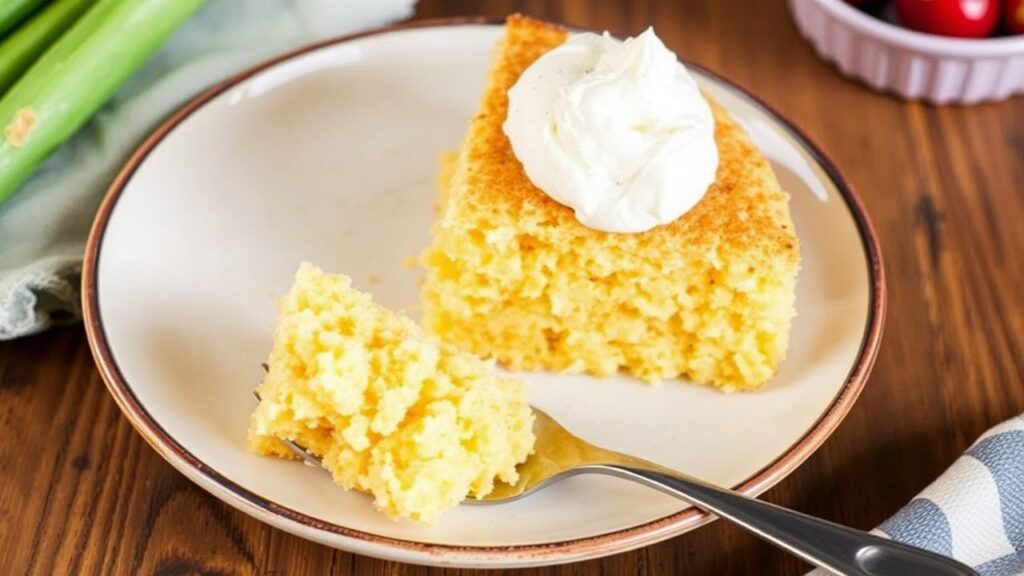
Southern buttermilk cornbread tastes best warm, with a pat of butter melting into the crust. Serve it with collard greens, black-eyed peas, or slow-simmered beans for a classic, balanced plate.
You can also use cornbread as a topping for chili or soups. Crumble it while it’s slightly warm so it absorbs flavor without turning soggy.
For a sweet-savory option, drizzle warm honey over slices right after baking. Keep the drizzle light so it complements the corn flavor instead of overpowering it.
If you want a more formal reference on traditional corn-based foods, see cornbread. It helps connect the dish to broader regional styles.
Finally, add a simple garnish. A pinch of flaky salt or a few chive pieces brightens the surface and improves perceived freshness.
| Nutrient | Per Serving |
|---|---|
| Calories | 180 kcal |
| Protein | 5 g |
| Carbohydrates | 28 g |
| Fat | 6 g |
These values are estimates and can shift based on cornmeal brand, butter amount, and exact slice size. Use them as a planning guide, not a medical figure.
Wrapping Up
From the first golden crumb to the last buttery bite, Southern buttermilk cornbread delivers real comfort with dependable technique. You’ll bake it faster than you expect, and the result holds up for leftovers.
When you follow the core steps—hot skillet, gentle mixing, and a proper rest—you get the classic texture people remember. Bake once, then repeat the method until it feels effortless.
If you want deeper background on the ingredient chemistry and food history that support classic baking, explore food history. It gives useful context for why traditional recipes keep resurfacing.
For more Southern baking ideas, use your internal resources like: Southern Bread Baking Guide. Pair this cornbread with greens, beans, and brothy mains for the best results.
FAQ
What makes Southern buttermilk cornbread different from other cornbread?
Southern buttermilk cornbread relies on buttermilk acidity plus a skillet bake for a crisp edge. The crumb stays tender because you mix gently and don’t overbake.
Can I use regular milk if I don’t have buttermilk?
Yes. Mix milk with lemon juice or white vinegar and let it sit 5 minutes. The acidity mimics the effect of cultured buttermilk in the batter.
Should I bake it in cast iron or a regular pan?
Cast iron gives the most consistent browning and a crispier crust. A regular baking dish still works, but you may need slightly different bake timing for the crust.
Why does my cornbread turn out dry?
Overbaking is the most common reason. Check around 18–20 minutes and pull it when the center stays moist and the top looks deep golden.
How do I store and reheat leftovers?
Store airtight for up to 2 days for best softness. Reheat at 300°F (150°C) for 6–8 minutes to warm the crumb without drying it out.
See also: Southern buttermilk