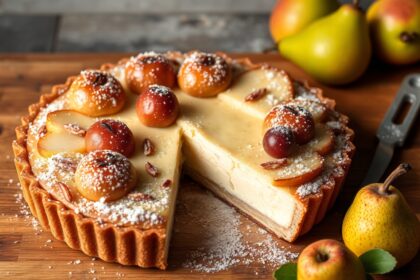



Medovik Magic is Russia’s best-known honey layer cake. It earns its fame through thin honey-infused crepes stacked in tall layers and softened by a creamy filling.
- The Sweet Origins of Medovik and Why It Matters
- Crafting the Perfect Honey Layers: Technique and Timing
- Medovik Magic Filling: Sour Cream, Condensed Milk, and Balance
- Flavor Variations and Pairings for a Modern Medovik
- Step-by-Step Guide to Baking Your Own Medovik
- Q&A
- What is Medovik Magic?
- Why do Medovik layers need to rest in the fridge?
- Can I use condensed milk instead of sour cream?
- How thin should the layers be?
- How long does Medovik keep?
- Concluding Remarks
You’ll often hear Medovik described as a “cake of a thousand layers.” That phrase points to an honest method: bake layers until pliable, then rest the cake so the cream fully penetrates. As a result, each slice turns tender, not dry.
At a Glance
- Key flavor: floral honey notes plus tangy sour cream.
- Key technique: thin layers and a long chilling rest.
- Key texture: layers soften as the filling hydrates them.
- Key success factor: don’t overbake the crepes.
Medovik sits at the intersection of home baking and hospitality. Families often bring it to holidays and visits because it keeps well in the fridge and tastes better after it rests.
To make this cake well, you need two things: respect for dough control and patience for time. If you do both, Medovik rewards you with a clean honey aroma and a silky, sliceable center.
The Sweet Origins of Medovik and Why It Matters
Medovik is commonly associated with Russian home kitchens, where honey-based desserts fit seasonal cooking and everyday celebrations. Honey also connects to the wider regional tradition of beekeeping and sweetening foods naturally.
For background on honey as a food and ingredient, see honey. While specific family recipes vary, the core idea stays consistent: honey adds aroma, color, and a gentle sweetness that tastes “round” once chilled.
Honey layer cakes also fit a broader history of layered baking. Many cultures use stacked doughs or thin cakes with cream to create a “softening” effect over time, and Medovik follows that logic closely.
If you want a linguistic and cultural overview of Russian pastries, you can explore Russian cuisine. Medovik’s popularity grows because it balances sweet and tang: honey provides the sweetness, while sour cream keeps the flavor from feeling heavy.
Crafting the Perfect Honey Layers: Technique and Timing
The Medovik method starts with thin dough layers cooked until flexible. In most versions, you whisk honey, sugar, eggs, and butter, then add baking soda so the dough aerates slightly when warmed. That chemical reaction helps the crepes stay tender rather than brick-like.
For a clear reference on baking soda and its role, read sodium bicarbonate. When soda meets acidic ingredients or heat in recipes, it releases gas, which can lighten dough. In honey cakes, this effect also helps create a delicate structure that stacks without cracking.
Next comes baking control. Each layer should turn lightly golden and firm enough to lift, but not deeply browned. Dark browning can dry the crepe, and dry layers resist softening even after hours of rest.
After baking, you must cool layers completely before frosting. If you frost warm layers, you risk uneven absorption and a softer-than-ideal outer edge. Cool crepes then soak evenly once the filling spreads.
Finally, rest does the heavy lifting. Cream hydrates the cake layers gradually, so the flavors blend and the texture becomes cohesive. This is why Medovik tastes best the next day.
For texture science behind resting and moisture migration, the general food concept ties closely to crumb structure. You don’t need lab knowledge, but you do need the practical rule: time matters as much as baking.
Medovik Magic Filling: Sour Cream, Condensed Milk, and Balance
The classic filling for Medovik uses sour cream for tang and body. Sour cream also spreads easily, which helps it reach the edges of every thin layer. That contact creates a uniform “melt” when you cut the cake.
Many cooks also use sweetened condensed milk in place of part or all of the sour cream. Condensed milk adds caramel notes and a thicker sweetness, so you usually combine it with tangier dairy to keep the taste from becoming one-note.
To understand condensed milk as an ingredient family, reference condensed milk. The key for Medovik is balance: honey already carries floral sweetness, so your filling should counter it with acidity.
If you prefer a richer mouthfeel, some recipes add butter to the cream. Butter can improve spreadability and smoothness, but it also increases density. That’s why sour cream base usually keeps Medovik lighter than fully butter-based fillings.
Expert Insight: Target a filling that feels thick but spreadable. When you press the back of a spoon into the frosting, it should leave a brief trail. That consistency helps layers hydrate evenly without turning the cake into a soft, unstable stack.
When you assemble, spread a thin but complete layer of filling each time. Don’t chase a “super thick” frosting level; extra cream often pushes out and weakens slice structure.
After stacking, cover the sides too. Sides act like a seal, so the cake rest hydrates all layers, not only the top.
Flavor Variations and Pairings for a Modern Medovik
Medovik Magic stays faithful to honey and cream, but you can shift flavor with spices and texture. Cinnamon, cardamom, or nutmeg can add warmth that matches honey’s aroma. Keep the spices subtle, because honey already carries a strong perfume.
For a broad spice overview, see spice. The goal is not to turn Medovik into a spiced cake; it should read as honey-first with a gentle secondary note.
You can also add crunch. Finely chopped walnuts or hazelnuts mix easily into the filling or sprinkle between layers. Toast them briefly so their oils deepen aroma without burning.
Pairing matters too. Tea works especially well because its tannins cut sweetness and keep each bite clean. Many people choose black tea or Russian-style tea blends for a classic match.
Step-by-Step Guide to Baking Your Own Medovik
This guide keeps the process practical and repeatable. You’ll bake thin layers, cool them, then assemble and rest for best texture.
Because home ovens vary, treat baking time as a range. Look for light golden color and flexible texture rather than deep browning.
Prep and Cook Time
- Preparation: 35–45 minutes
- Cooking: 15–25 minutes total (layers vary by batch size)
- Resting/Chilling: at least 6 hours, ideally overnight
Yield
Serves: 10–12 slices
Difficulty Level
Medium: Requires steady rolling and patience during resting.
Ingredients
Use good honey for the best aroma. Linden or wildflower honey often gives a pleasant floral profile.
- For the cake layers:
- 2 large eggs
- 1 cup granulated sugar
- 1/2 cup honey
- 4 tbsp unsalted butter
- 1 tsp baking soda
- 2 1/2 cups all-purpose flour, sifted
- Pinch of salt
- For the frosting:
- 2 cups full-fat sour cream
- 3/4 cup powdered sugar
- 1 tsp vanilla extract (optional)
Instructions
- Warm the base: Whisk eggs, sugar, honey, and butter over gentle heat until smooth and warm.
- Activate the soda: Stir in baking soda quickly. The mixture should lighten as it foams.
- Fold in flour: Add sifted flour and salt. Mix until you get a soft dough.
- Chill the dough: Refrigerate about 20 minutes. Firm dough rolls cleaner.
- Portion and roll: Divide into 8–10 pieces. Roll thin rounds on lightly floured work surfaces.
- Bake layers: Bake at 350°F / 175°C for about 5–7 minutes until lightly golden and still pliable.
- Cool fully: Move layers to racks so steam escapes.
- Make frosting: Whisk sour cream with powdered sugar until smooth. Keep it thick.
- Assemble: Spread frosting between layers. Cover the top and sides.
- Chill and hydrate: Refrigerate at least 6 hours, preferably overnight.
Tips for Success
- Choose high-quality honey for better aroma and color.
- Roll layers thin for quicker softening later.
- Keep layers lightly golden to protect moisture absorption.
- Slice with a serrated knife for cleaner edges.
Serving Suggestions
Serve Medovik chilled for best slice stability. Add toasted nuts on top for contrast and crunch.
If you like a fresh note, add berries as a side or garnish. The acidity helps balance the honey’s sweetness and improves overall flavor clarity.

Q&A
If you’re new to this cake, these answers address the most common issues. They also explain why Medovik changes during rest.
Use these notes while you bake so you can adjust without guesswork.
What is Medovik Magic?
Medovik Magic is a Russian honey layer cake made from thin honey crepes and a creamy filling, usually sour-cream based. Resting time softens the layers so the cake becomes tender and cohesive.
Why do Medovik layers need to rest in the fridge?
During rest, the filling moisture moves into the thin crepes. That hydration makes the texture melt-like and rounds the flavor of honey.
Can I use condensed milk instead of sour cream?
Yes, you can. Many recipes blend condensed milk with butter or cream cheese for richness, but balance with a tangy element so the honey doesn’t taste overly sweet.
How thin should the layers be?
Roll them thin enough that they bake quickly and stay flexible. Thin layers absorb cream faster and soften more evenly, which improves the final slice.
How long does Medovik keep?
Stored properly in the fridge, it typically keeps for several days. The texture often improves overnight, so day two can taste even better.
Concluding Remarks
Medovik Magic works because it pairs honey’s aroma with a cooling rest that transforms texture. When layers bake lightly and the cake chills long enough, you get the hallmark melt and clean honey flavor.
If you want one takeaway, remember this: control baking color and respect resting time. Do that, and your Medovik becomes a reliable showpiece for any Russian-inspired table.
See also: Medovik Magic