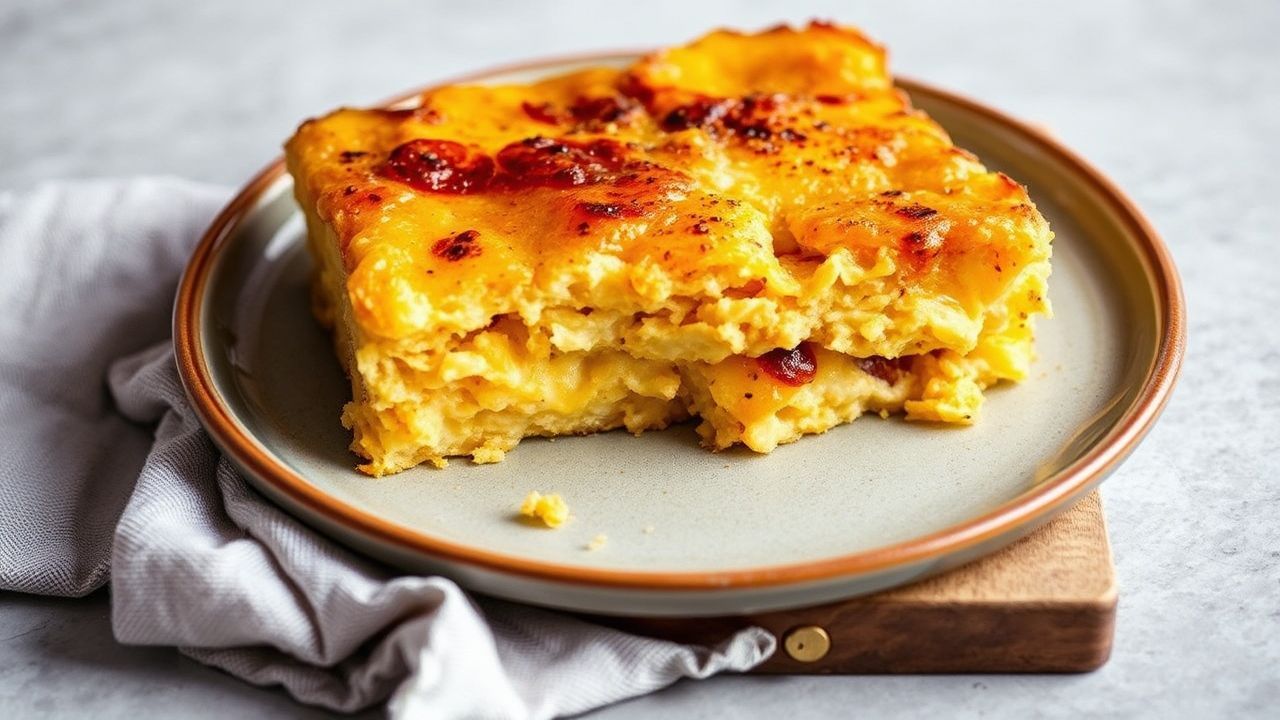
Sweet plantain casserole brings together the caramelized sweetness of ripe plantains and the creamy, melty comfort of cheese. When the oven heat drives browning and gentle thickening, the result feels rich, cozy, and naturally satisfying. This golden-layers style bake works for weeknight dinners and also for holiday tables where you want an easy centerpiece.
- Prep and Cook Time
- Yield and Difficulty
- Ingredients
- Instructions
- Tips for Success: Cheese Choice and Texture
- Presentation and Serving Suggestions
- Nutritional Data
- Q&A
- What is a sweet plantain casserole?
- How do ripe plantains change the flavor?
- What type of cheese works best for the top?
- Can I make sweet plantain casserole ahead of time?
- Is this casserole vegetarian?
- Insights and Conclusions
At a Glance
- Flavor: Sweet plantains plus mild cheese creates a balanced, crowd-friendly taste.
- Texture: A simple béchamel helps layers set with a creamy bite.
- Best result: Brown the plantains well, but avoid overcooking them into mush.
- Serving: Rest 5–10 minutes so slices hold their shape.
Golden Layers are built on a clear idea: sweet plantains form tender, golden surfaces, while cheese provides stretch and creaminess. The casserole also borrows flavor logic common in Caribbean and Latin American kitchens—sweet produce with savory dairy and warm seasoning. For background on how fermentation and dairy cultures affect cheese flavor, see cheese.
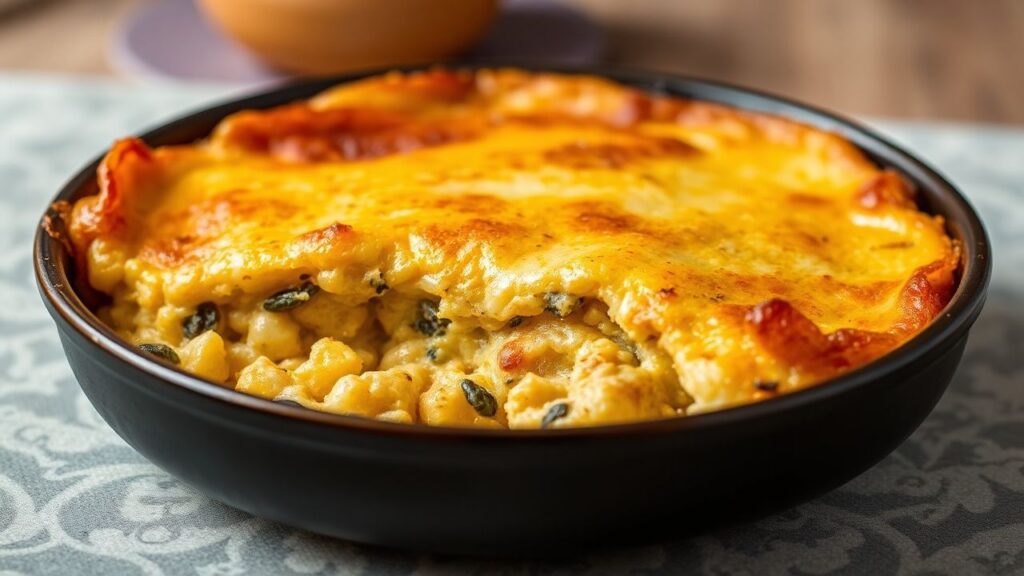
Sweet plantain casserole uses ripe plantains for natural sweetness and soft, custard-like interiors. Melted cheese adds fat and proteins that help create a smooth, cohesive slice. If you want to understand why plantains caramelize, read about the Maillard reaction.
This recipe stays approachable because each step has a purpose. You sauté aromatics for aroma, brown plantains for flavor, whisk a béchamel for structure, and then bake until the top turns bubbly. You end with layers that slice cleanly and taste rich without complicated technique.
Prep and Cook Time
Plan your cooking window so you can brown the plantains and bake at a steady temperature. Consistent heat helps the casserole form a golden top instead of steaming. For general baking temperature guidance, it helps to know how ovens transfer heat in dry air.
- Prep Time: 20 minutes
- Cook Time: 40 minutes
- Total Time: 1 hour
Yield and Difficulty
This sweet plantain casserole makes enough for a family meal with leftovers if you slice smaller portions. The steps are easy to follow, even if you do not bake often.
Yield: Serves 6 generous portions
Difficulty Level: Medium (approachable for eager home cooks)
Ingredients
Choose ripe plantains first. Look for yellow skin with black spots, because that ripeness boosts natural sugars and improves caramel browning. Then select cheeses that melt well; the right melt makes the layers feel creamy rather than greasy.
- 4 large ripe sweet plantains (yellow with black spots), peeled and sliced diagonally about 1/4-inch thick
- 2 cups shredded mozzarella cheese (or a mild melting cheese)
- 1 cup crumbled queso fresco or feta for a tangy contrast
- 1 medium onion, finely diced
- 2 cloves garlic, minced
- 3 tbsp unsalted butter
- 1 cup whole milk
- 2 tbsp all-purpose flour, sifted
- Salt and freshly ground black pepper to taste
- 1 tsp ground cumin (optional, for subtle warmth)
- Fresh cilantro or parsley for garnish
For a quick reference on how flour thickens sauces, check thickening. This béchamel base gives the casserole stability so your slices do not collapse.
Instructions
Work step-by-step and keep your skillet heat steady. When you brown plantains, you want color and aroma, not a dry, burned surface. When you whisk béchamel, stir often so the sauce thickens smoothly.
- Preheat the oven to 350°F (175°C). Lightly grease a medium casserole dish with butter to prevent sticking and encourage golden edges.
- Sauté the aromatics: In a skillet over medium heat, melt 1 tbsp butter. Cook the diced onion and minced garlic until translucent and fragrant (about 3–4 minutes). Set aside.
- Prepare the plantains: In the same skillet, melt 2 tbsp butter. Add plantain slices in a single layer and cook until golden brown and caramelized on both sides (about 3 minutes per side). Work in batches.
- Make the creamy béchamel base: In a small saucepan, whisk flour and milk over low heat. Stir constantly until thick enough to coat the back of a spoon (about 5 minutes). Season with salt, pepper, and cumin.
- Layer the casserole: Add caramelized plantains to the bottom. Sprinkle mozzarella, add crumbled queso fresco, and add a thin layer of sautéed onions and garlic. Drizzle béchamel. Repeat layers and finish with cheese for a bubbly crust.
- Bake uncovered: Bake 30–35 minutes. The top should turn golden, bubbly, and aromatic.
- Rest before serving: Cool for 5–10 minutes so the layers set and slice cleanly.
If you want to understand why resting helps, know that hot proteins and starches keep rearranging as the casserole cools. The science shows up in many cooked starch-based foods; see starch for a foundation on thickening and setting.
Tips for Success: Cheese Choice and Texture
Balance is key when combining sweet plantains and cheese. Select cheeses that melt smoothly and add either mild richness or a tangy contrast. Mild melt supports the sweet notes, while tang lifts the overall flavor.
For cheese behavior, you can explore general background on melting and dairy functionality. In practical terms, mozzarella gives stretch, while queso fresco adds a bright, slightly salty edge.
- Mozzarella: Creamy meltiness without overpowering sweetness.
- Queso Fresco or Feta: Salty tang that cuts through richness.
- Cheddar (mild): For a sharper flavor, mix in up to 1/4 cup (or use a mild variant only).
For texture, the béchamel acts as a binder. It keeps the plantains moist and helps the casserole feel cohesive rather than separated. Also, do not overcook plantains in the skillet; browning first gives flavor, but the bake finishes tenderness.
If you prefer lighter results, reduce butter slightly but keep the béchamel structure. Texture comes from a thick sauce layer plus proper resting, not just from extra fat.
Presentation and Serving Suggestions
Serve the sweet plantain casserole warm. Use a sharp knife and wipe it between cuts if the cheese stretches. Slice into rectangles for clean edges or wedges for a more rustic, share-friendly look.
Garnish with fresh herbs like cilantro or parsley for color and a fresh bite. A small drizzle of extra virgin olive oil adds aroma, and smoked paprika can deepen the golden look. Pair the casserole with a crisp green salad or a tangy avocado salsa to balance dairy richness.
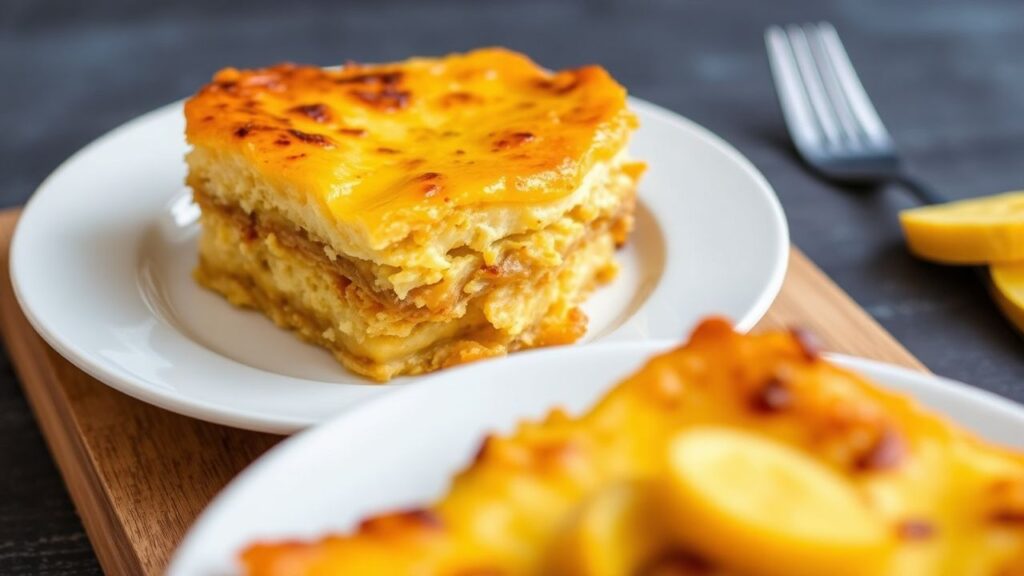
For a quick guide on why acidic sides help, review basic flavor chemistry around vinegar and acidity. Even when you skip vinegar, lime or tomato salsa brings the same balancing effect: it brightens the palate.
You can also serve it as a vegetarian main. Add a side of steamed greens or a simple bean salad for extra protein and fiber.
Nutritional Data
Nutrition can vary based on plantain size, cheese blend, and portion size. Still, this estimate gives you a realistic planning range for a standard serving with the ingredient amounts listed.
| Nutrient | Per Serving |
|---|---|
| Calories | 310 kcal |
| Protein | 12 g |
| Carbohydrates | 36 g |
| Fat | 14 g |
If you want to tighten tracking, weigh your plantains and use a measuring cup for cheese. For general context on calories and nutrition planning, see calorie.
Want more inspiration for sweet plantain based meals? Explore your own plantain variations by changing spices, cheese blend, or adding sautéed peppers for extra aroma.
Q&A
Quick answers help you cook with confidence. Below, you will find practical guidance on flavor, cheese selection, storage, and texture control. Use these tips while you prep so the bake stays smooth from start to finish.
What is a sweet plantain casserole?
A sweet plantain casserole is a baked dish where sliced ripe plantains form layers with cheese and a binder sauce like béchamel. The oven browns the plantains and melts the cheese to create a cohesive, sliceable bake.
How do ripe plantains change the flavor?
Ripe plantains add natural sweetness and soften into a tender, almost creamy texture as they bake. Browning on the surface builds deeper caramel notes that pair well with dairy richness.
What type of cheese works best for the top?
Mozzarella works well because it melts smoothly and creates a bubbly, lightly stretchy top. For a more complex bite, blend mozzarella with queso fresco or feta for tang and balance.
Can I make sweet plantain casserole ahead of time?
Yes. Assemble the casserole and refrigerate it covered. Bake when ready, then rest after baking so the layers set for clean slicing.
Is this casserole vegetarian?
Yes, when you use plantains, cheese, milk, and standard seasonings without meat-based add-ins. Many béchamel sauces use milk and flour, which keeps the dish vegetarian-friendly.
Insights and Conclusions
As the casserole bakes, the layers do real work. Sweet plantains caramelize at the edges, the béchamel thickens the filling, and cheese melts into a golden crust that holds everything together.
This dish gives you a dependable mix of sweet and savory with a texture that feels hearty but not heavy. Serve it warm, rest it briefly, and pair it with something fresh—then each bite will deliver those golden layers again and again.
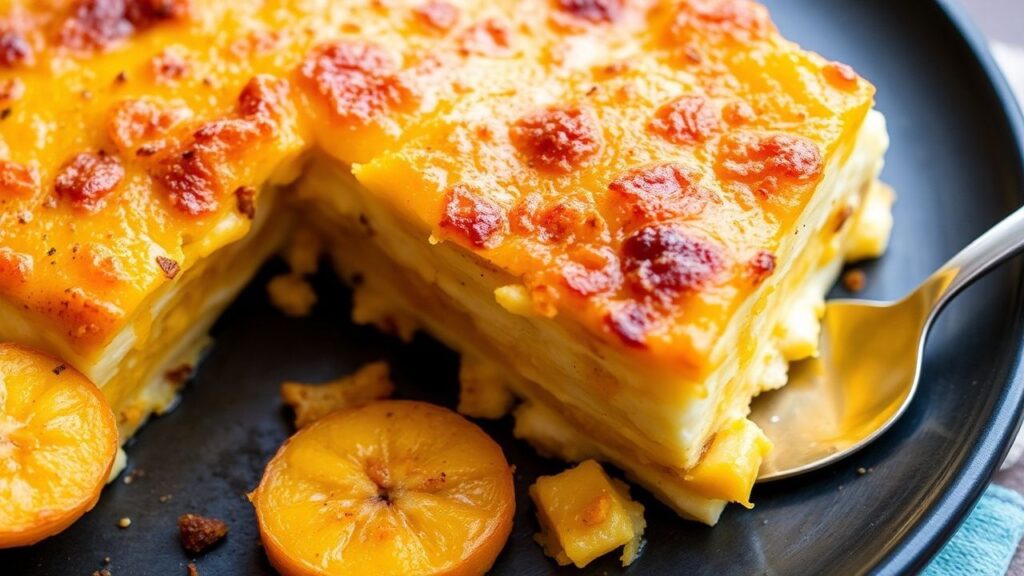
If you want one guiding approach for your next bake, focus on browning and thickness. Brown the plantains properly, keep the sauce at a spoon-coating consistency, and let the casserole rest before cutting. That method reliably produces a sweet plantain casserole that slices cleanly, tastes rich, and looks impressive on the table.
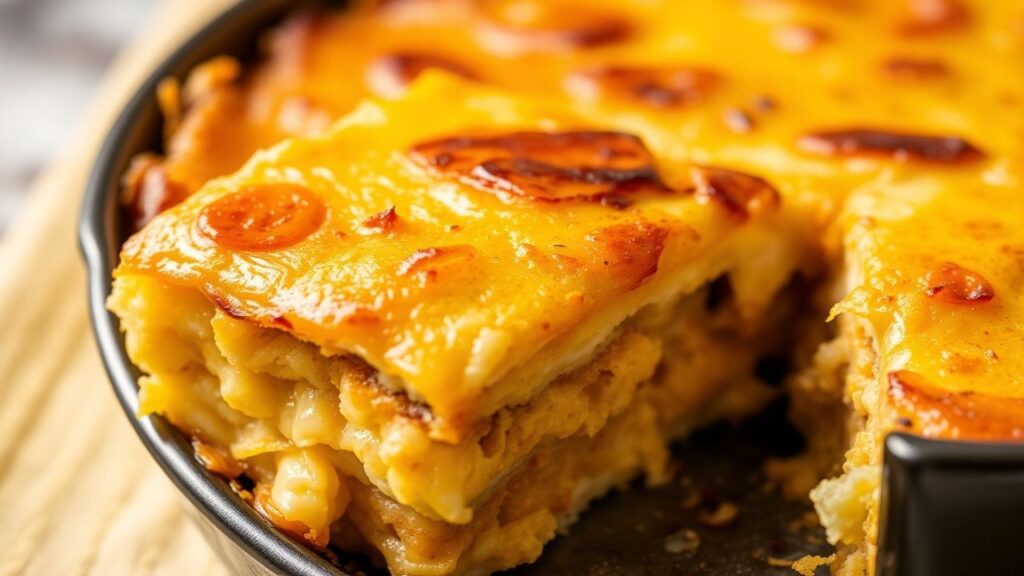
See also: sweet plantain casserole