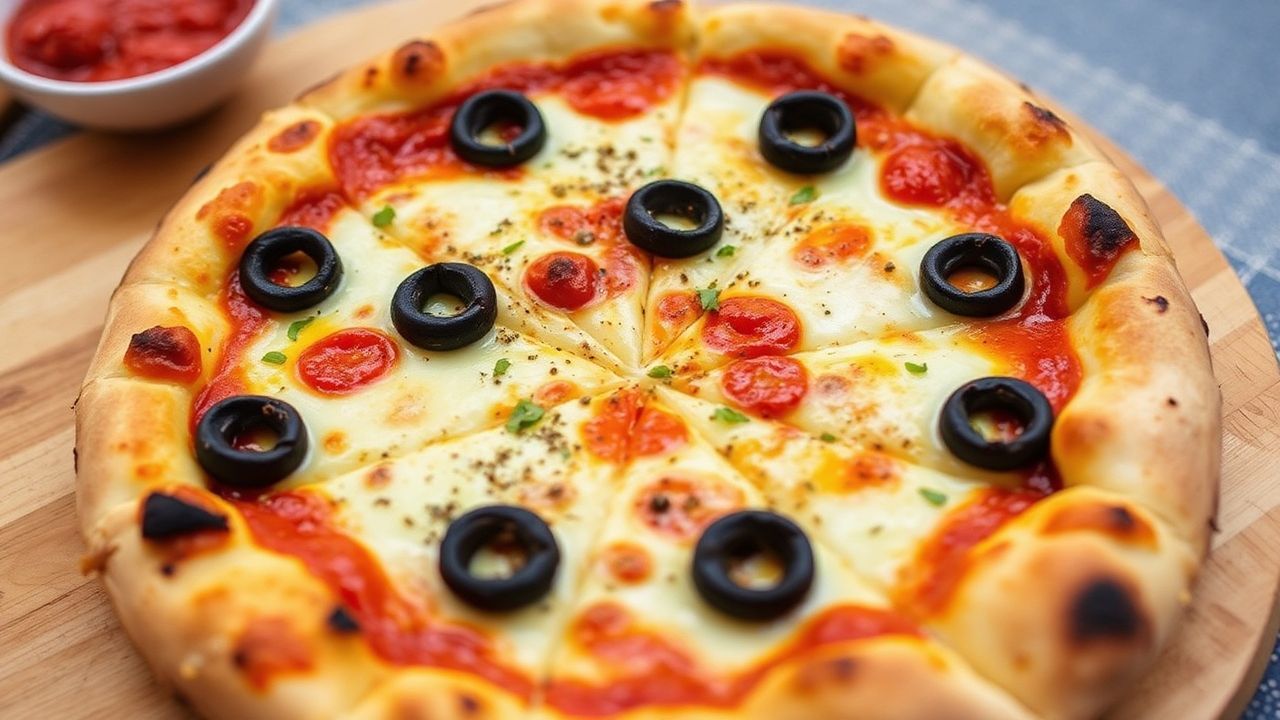
In pizza, the crust matters. It sets the texture, shapes the bite, and carries flavor under the sauce. A protein-packed pizza with a cottage cheese crust helps you chase that satisfying chew while raising protein at the same time.
- Why a Protein-Packed Pizza Starts With Cottage Cheese
- The Science Behind a High-Protein Cottage Cheese Crust
- Choosing Ingredients for Maximum Nutrition
- Flour and Binding Options
- Seasoning That Matches the Crust
- Step-by-Step Mixing and Baking Instructions
- Creative Toppings That Boost Protein-Packed Pizza Flavor
- Prep and Cook Time
- Yield
- Difficulty Level
- Ingredients
- Instructions
- Chef’s Notes and Tips for Success
- Serving Suggestions
- Q&A
- Q1: Why choose cottage cheese as the base for a pizza crust?
- Q2: How does cottage cheese affect texture and taste?
- Q3: What are the key ingredients for a high-protein crust?
- Q4: Can this crust fit different dietary lifestyles?
- Q5: How do I get the best crust consistency every time?
- Insights and Conclusions
- High-protein crust: cottage cheese + eggs boost protein density.
- Better structure: baking helps proteins set and hold toppings.
- Moisture control: draining cottage cheese prevents sogginess.
- Flexible flour base: whole wheat, oat, or almond options work.
Whether you cook for training days or just want a lighter slice that still feels filling, this crust delivers. You can build it like classic pizza, then finish it with bold toppings that match your macros. If you want an upgrade you can repeat all week, this is a practical starting point.
Why a Protein-Packed Pizza Starts With Cottage Cheese
The core idea stays simple: cottage cheese brings protein and moisture. When you bake it, the proteins coagulate and create a tender-but-sturdy structure. That structure helps the crust carry sauce and cheese without collapsing.
Compared with many flour-only doughs, this approach often uses less carbohydrate per bite. It also adds a creamy tang that pairs well with tomato, herbs, and savory toppings. For a closer look at how macronutrients support diet outcomes, see macronutrients.
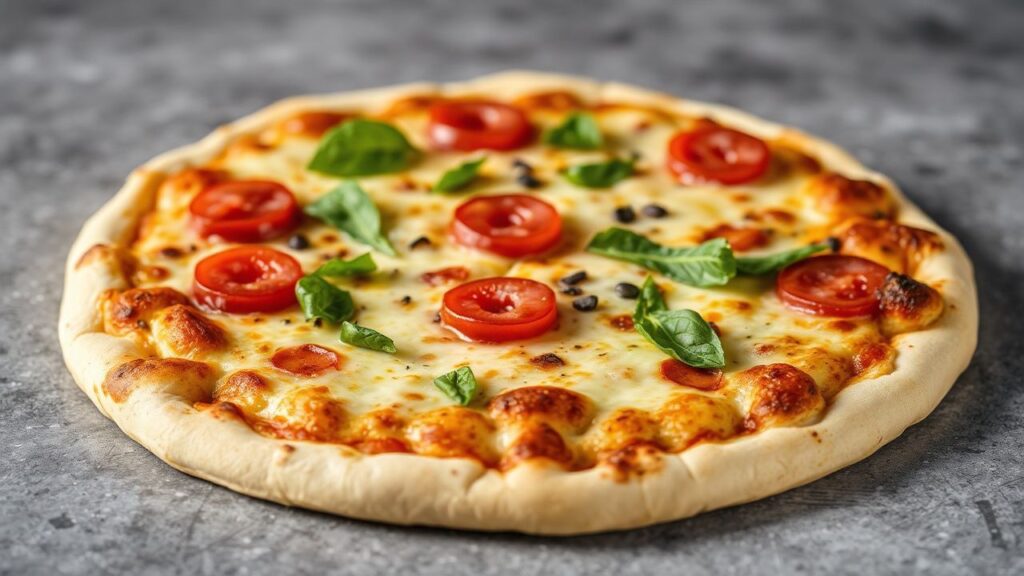
You can think of this crust as a protein binder system. Cottage cheese provides the creamy matrix, eggs strengthen the set, and flour helps with shape and sliceability. Together, they create a base that tastes like pizza and acts like a crust.
For protein-focused diets, it helps to understand the basics of protein and how it behaves during cooking. Heat changes the protein structure, which is exactly what you want when you bake a crust meant to hold toppings.
The Science Behind a High-Protein Cottage Cheese Crust
Heat drives the key transformation. Cottage cheese contains casein and whey proteins, and baking causes them to firm up. This setting process builds structure inside the crust while keeping the center from becoming dry and tough.
Eggs support that structure too. Their proteins coagulate in the oven and help the mixture form a cohesive dough. If you want a deeper chemistry overview, protein folding and denaturation explains what happens when proteins change shape under heat.
The crust also benefits from moisture control. If cottage cheese holds too much whey, the dough can stay wet and turn gummy. When you drain properly, the crust browns better and holds its cut.
Flour types matter as well. Whole wheat or oat flour adds fiber and helps the dough resist tearing. For a quick reference on why fiber changes texture and fullness, read dietary fiber.
Choosing Ingredients for Maximum Nutrition
Start with the right cottage cheese. Full-fat cottage cheese often delivers the richest texture and helps the crust brown evenly. If you prefer a lighter crust, low-fat works too, but you may need slightly more careful moisture draining.
Then choose eggs that you’ll actually like. Large eggs bring binding power and extra protein. Room temperature eggs mix more smoothly, so the batter forms without lumps that can create thin or uneven bake spots.
Flour and Binding Options
Use whole wheat flour for a classic flavor profile and added fiber. Oat flour keeps the crust tender and slightly sweet. Almond flour works for lower-carb variations, but it can bake more delicate.
Add flax or chia for extra fiber and a subtle thickening effect. These seeds also add texture that can help the dough feel less sticky. For background on these ingredients, see flax and chia.
Seasoning That Matches the Crust
Keep seasonings simple so the cottage cheese tang stays balanced. Garlic powder and dried oregano work well because they amplify savory notes. A little sea salt improves flavor and helps the crust taste “pizza-like,” not eggy.
If you want a sharper profile, add a pinch of crushed red pepper. Just remember that spice heat increases as the crust cools and condenses flavors on the surface.
That also means you should measure by volume after draining. One cup of well-drained cottage cheese behaves differently than one cup of wet cottage cheese. Consistent measurement keeps your results repeatable from bake to bake.
Adding flour too fast can make the crust dry or crumbly. A short rest helps the fibers hydrate and improves slice stability. You’ll get a smoother dough and a more even bake.
Step-by-Step Mixing and Baking Instructions
- Preheat your oven to 400°F (200°C). Line a baking sheet or pizza stone with parchment.
- Drain cottage cheese (about 1 cup) in a fine-mesh sieve for 5–10 minutes. Press lightly to remove whey.
- In a bowl, whisk eggs (about 2 large) until smooth. Stir in the drained cottage cheese until combined.
- Add dry ingredients: whole wheat flour (about 3/4 cup), ground flaxseed (1 tbsp, optional), garlic powder (1 tsp), dried oregano (1 tsp), and sea salt (1/2 tsp). Mix until a sticky dough forms.
- Place dough on a lightly floured surface and knead gently 4–5 times. Pat into a 10-inch circle about 1/4 inch thick.
- Bake the crust for 15–18 minutes, until edges turn golden and the base sets.
- Add toppings and bake 10–12 minutes more, until cheese melts and toppings heat through.
- Rest, then slice so the crumb firms up and toppings settle.
If you want extra crisp edges, bake the crust alone for the full 18 minutes before adding toppings. Sauce adds moisture, so a slightly firmer base prevents a soggy center.
If your oven runs hot, check at 14 minutes for the first bake. Even small timing changes affect browning and protein set, so adjusting early protects your texture.
Creative Toppings That Boost Protein-Packed Pizza Flavor
Choose toppings that pair with cottage cheese’s mild tang. Start with tomato sauce or a thin Greek-yogurt spread. Then add protein-rich toppings so the meal feels complete and satisfying.
Grilled chicken breast, roasted bell peppers, and baby spinach create a balanced plate of savory and fresh flavors. For healthy fats, olives or a drizzle of olive oil work well and improve mouthfeel.

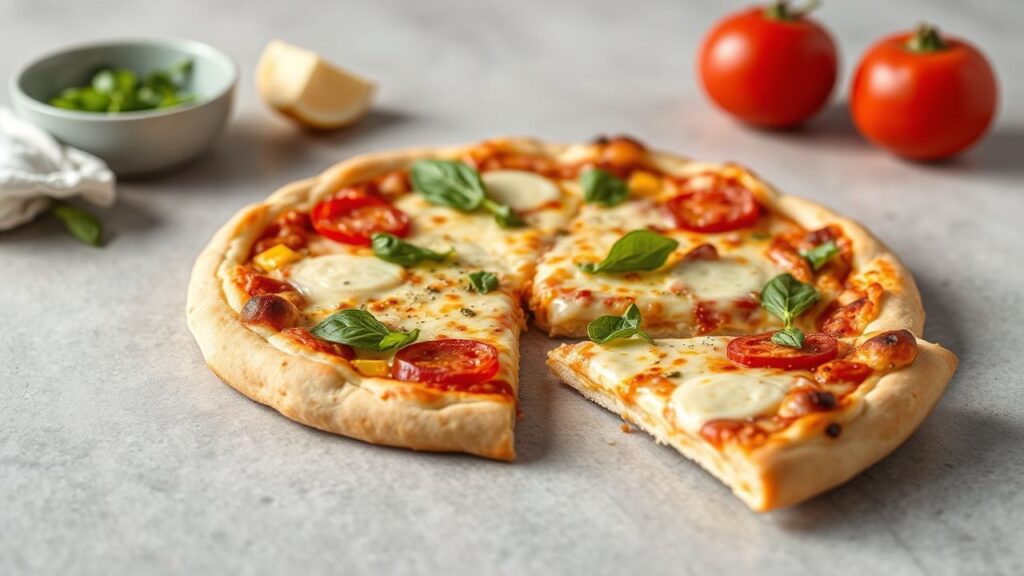
Add visual color with sliced cherry tomatoes and basil. Finish with part-skim mozzarella for a melty layer, or sprinkle nutritional yeast for umami depth without heavy extra calories.
For more protein lift after baking, try toasted pumpkin seeds or hemp hearts. Seeds and hemp fit well with high-protein meals, and they add crunch that contrasts the soft crust.
Prep and Cook Time
- Preparation Time: 15 minutes
- Baking Time: 25–30 minutes (includes pre-baking and final bake)
- Total Time: 40–45 minutes
Use this timing plan to meal-prep. You can pre-bake the crust, cool it, and reheat it before topping. That keeps the texture closer to fresh pizza.
If you bake for a busy night, keep toppings ready and pre-measured. Then you move quickly from sauce to oven, which reduces moisture pooling.
Yield
- 1 medium 10-inch pizza, serves 2–3 people
This yield fits meal-prep portions. Slice into smaller wedges to control serving size and keep protein targets on track.
For larger groups, make two crusts instead of trying to stretch one dough thin. Thicker crusts slice better and bake more evenly.
Difficulty Level
- Medium (requires basic mixing and baking skills)
You don’t need special equipment, but a stable oven matters. Use an oven thermometer if you suspect temperature drift, especially for browning-sensitive foods.
A pizza stone helps heat transfer, but parchment works fine for most home bakes.
Ingredients
- 1 cup full-fat or low-fat cottage cheese, well-drained
- 2 large eggs, room temperature
- 3/4 cup whole wheat flour (or oat/almond flour)
- 1 tablespoon ground flaxseed (optional)
- 1 teaspoon garlic powder
- 1 teaspoon dried oregano
- 1/2 teaspoon sea salt
- 1/4 teaspoon baking powder (optional for slight rise)
- Your favorite sauce and toppings
For best results, keep the ingredient list consistent. Substitutions work, but each change affects moisture and structure. Aim for one or two swaps per recipe test.
If you use almond flour, expect a more delicate crust. Plan toppings that won’t flood the surface and bake slightly longer if needed for firmness.
Instructions
- Preheat oven to 400°F (200°C) and set parchment on a baking sheet.
- Drain cottage cheese for 5–10 minutes in a fine sieve, pressing gently.
- Mix eggs and cottage cheese until creamy and uniform.
- Add dry ingredients and stir until a sticky dough forms.
- Knead gently and shape: knead 4–5 times, then shape into a 10-inch disk about 1/4 inch thick.
- Bake crust 15–18 minutes, until golden and set.
- Add toppings and bake an additional 10–12 minutes until melted and heated through.
- Rest and slice for the cleanest cuts.
Resting makes a visible difference. When proteins set and steam releases, slices hold their shape instead of tearing.
If the dough sticks to your hands, wet your fingertips lightly. Avoid adding too much extra flour, or you’ll shift the texture toward dryness.
Chef’s Notes and Tips for Success
- Moisture control: Drain cottage cheese well. Too wet equals a soggy center. Use a sieve or cheesecloth.
- Flour choices: Almond flour can make a more crumbly crust. Add a small amount of extra egg if needed. Whole wheat supports a firmer bite.
- Flax or chia: Optional, but helpful for texture and fiber.
- Make ahead: Pre-bake the crust, refrigerate, and reheat briefly before topping.
- Storage: Store leftovers airtight for up to 3 days or freeze crust (bake or unbaked) depending on your routine.
When you reheat, use an oven or toaster oven to dry the surface slightly. Microwaving can soften the crust by trapping steam.
For storage safety basics, food handling guidance helps. If you want general principles, review food safety.
Serving Suggestions
Serve your protein-packed pizza warm with fresh greens like arugula or basil. The peppery bite from greens balances the creamy crust and tomato flavors.
Finish with a light drizzle of extra virgin olive oil or a small amount of balsamic glaze for brightness. Then pair it with a side salad or roasted vegetables to add volume and micronutrients.
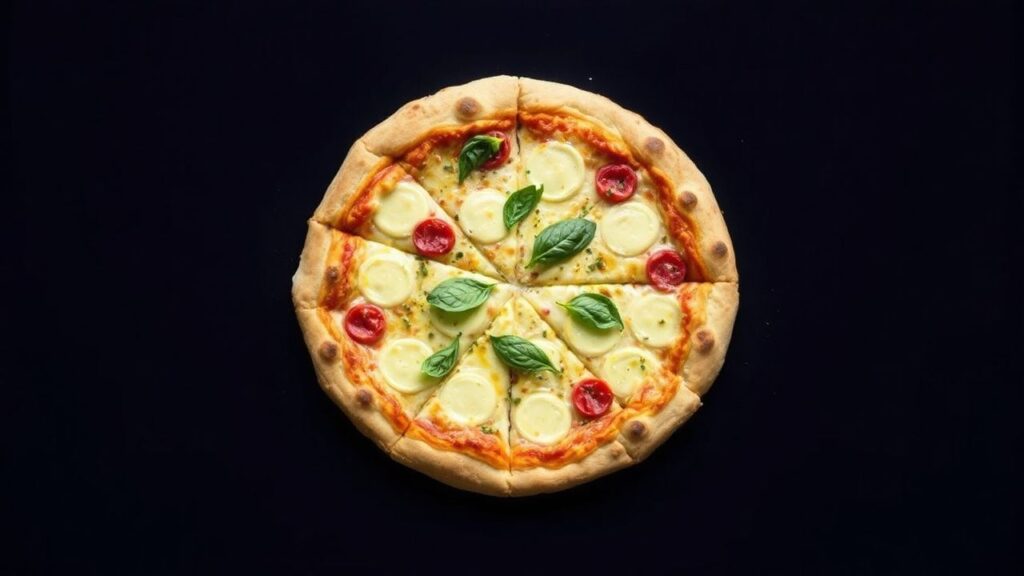
| Nutrient | Per serving (1/3 pizza) |
|---|---|
| Calories | 320 kcal |
| Protein | 28 g |
| Carbohydrates | 18 g |
| Fat | 10 g |
Nutrient values vary with brands and topping choices. Use them as a baseline, then adjust for your specific cottage cheese and sauce. Consistency in ingredients keeps your macro math accurate.
If you want a general reference for protein’s role in muscle recovery and diet structure, browse muscle and pair it with your meal plan.
Q&A
Q1: Why choose cottage cheese as the base for a pizza crust?
A1: Cottage cheese provides concentrated protein and natural creaminess. During baking, the proteins set and help bind the crust so it supports sauce and toppings.
If you look at how proteins behave under heat, the benefits get clearer. For background, see protein and cooking-related denaturation concepts.
Q2: How does cottage cheese affect texture and taste?
A2: The crust becomes tender with a slight tang, then firms up as it browns. Eggs and flour add stability so the slice feels pizza-like instead of custard-like.
Texture also depends on moisture. Draining whey and shaping evenly helps the crust bake at a consistent rate.
Q3: What are the key ingredients for a high-protein crust?
A3: You need cottage cheese, eggs, and a binding flour (whole wheat, oat, or almond). Seasonings like garlic powder and oregano round out pizza flavor.
Optional add-ins like flax or chia boost fiber and can improve dough elasticity. These ingredients naturally pair with protein-forward meals.
Q4: Can this crust fit different dietary lifestyles?
A4: Yes, with smart substitutions. For gluten-free needs, use a gluten-free flour blend or oat-based binding. For low-carb preferences, almond flour can work, though the crust may bake more delicate.
Always check labels on cottage cheese and flour blends, since formulations vary by brand.
Q5: How do I get the best crust consistency every time?
A5: Drain cottage cheese well, mix thoroughly, and shape the crust at an even thickness. Pre-bake until golden so the crust can handle toppings without turning soggy.
If the dough feels too wet, adjust with small flour additions. If it feels too dry, rest the dough briefly so hydrated fibers improve texture.
Insights and Conclusions
A protein-packed pizza shouldn’t force you to choose between comfort and nutrition. With a cottage cheese crust, you get a practical way to raise protein while keeping the joy of pizza night intact. The results come from the right balance of moisture control, binding, and even baking.
This crust works because it uses heat-driven protein setting plus flour structure. It also gives you room to customize toppings based on your routine. Build it once, then refine your toppings and flour choice until it matches your taste and goals.
See also: protein-packed pizza