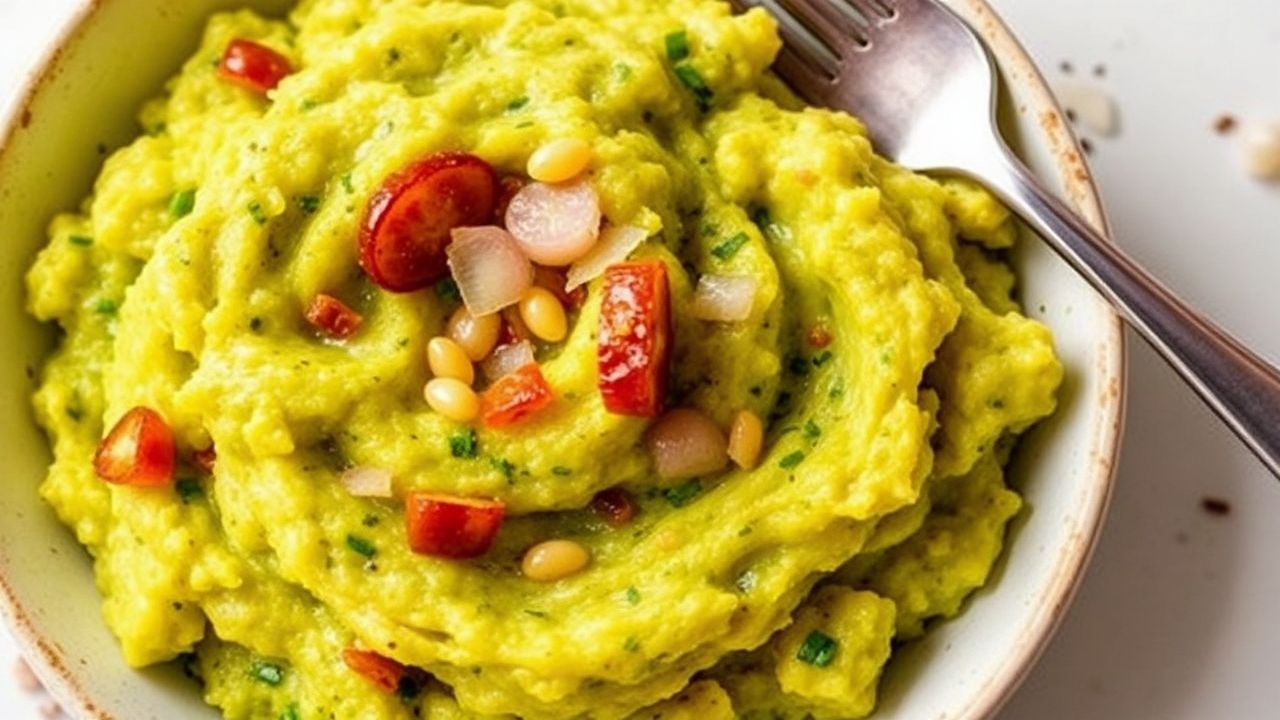
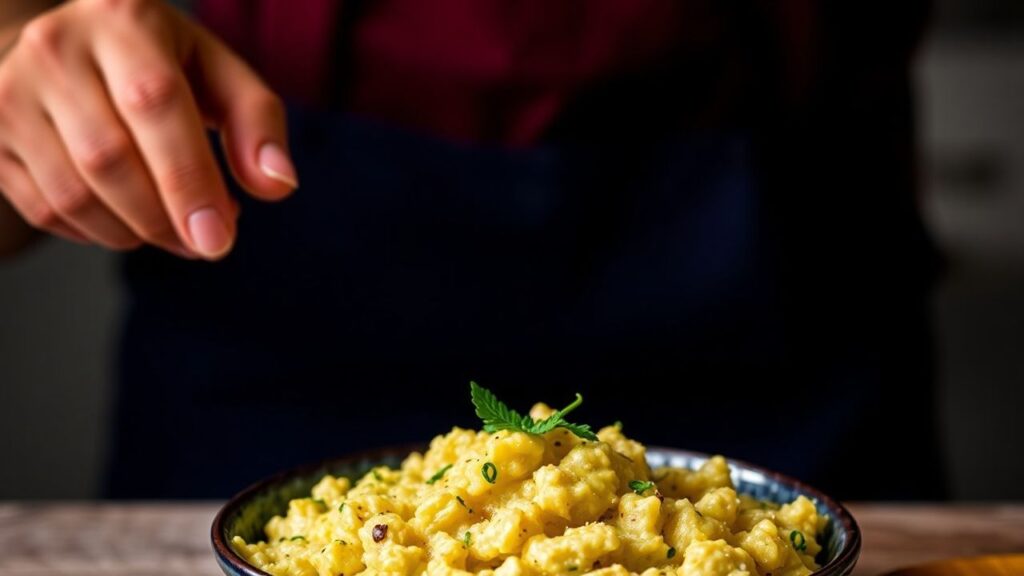
There’s a kind of mangú magic in simple cooking: green plantains soften, then mash into a creamy base. Next, sautéed onions bring sweetness, tang, and a fragrant finish. This is mangú — the Dominican staple you’ll want on repeat.
- Prep and Cook Time
- Yield and Difficulty Level
- Ingredients
- Instructions
- Tips for Success
- Serving Suggestions
- Q&A
- What is mangú, and why is it a staple in Dominican cuisine?
- How do I choose the perfect green plantains for mangú?
- What’s the secret to the right mangú consistency?
- Why are sautéed onions the classic topping?
- Can I customize mangú with other toppings or sides?
- To Wrap It Up
At a Glance
- Flavor: creamy green plantains with caramelized onions.
- Texture: smooth with a little rustic body, not gluey.
- Topping matters: low-and-slow onion sauté + vinegar balance.
- Best timing: mash and serve immediately for peak creaminess.
Whether you’re new to Dominican cuisine or you grew up with breakfast plates like this, the method stays straightforward. You boil green plantains until tender, mash while warm, and top with onions. That sequence keeps the flavor bright and the texture stable.
For background, green plantains belong to the same botanical family as bananas, but they stay firm and starchy when unripe. That starch turns silky after boiling and mashing, which is why plantains work so well in mashed dishes. Mangú also reflects everyday Caribbean cooking: practical ingredients, strong technique, and comfort-first portions.
In the Dominican Republic, mangú commonly shows up at breakfast and alongside eggs or cheese. It’s not just a side; it’s a core plate component because it adds body and mild tang. The onions then do what they always do in savory cooking: deepen flavor through browning and controlled acidity.
Mangú Magic: Dominican Green Plantains with Onions delivers the heart of Dominican comfort food. You start with green plantains and turn them into a creamy mash with butter and oil. Then you top with sautéed onions finished with vinegar for a clean, balanced bite.
Prep and Cook Time
Plan about 35 minutes from start to finish. The boil does most of the work, while the onions cook quickly once the plantains are tender.
Keep your skillet ready so the topping comes together fast. Warm mash + warm onions taste best because the onions coat the surface without cooling it down.
- Preparation: 10 minutes
- Cooking: 25 minutes
- Total Time: 35 minutes
Yield and Difficulty Level
This recipe makes 4 generous servings. You can also scale it down for smaller households without changing the method.
The difficulty stays easy. You only need basic timing and steady mashing to reach the right consistency.
Difficulty Level: Easy — good for beginners and familiar enough for cooks who want an authentic, repeatable plate.
Ingredients
Use firm, green plantains for the best starch-to-silk transformation. If the plantains have yellow spots, the flavor shifts and the texture can turn softer.
For the topping, red onion works great because it sweetens as it sautés. A splash of vinegar adds a bright edge that keeps the mash from tasting flat.
- 4 large green plantains, peeled and cut into 3-inch pieces
- 1 teaspoon salt, divided
- 3 cups water
- 2 tablespoons unsalted butter
- 1/4 cup olive oil (divided)
- 1 large red onion, thinly sliced
- 2 tablespoons white vinegar or apple cider vinegar
- Freshly ground black pepper, to taste
- Optional garnish: chopped fresh parsley or cilantro
Instructions
Start with careful prep. Cutting the plantains evenly helps them cook at the same pace so your mash turns smooth instead of patchy.
Then move in order: boil first, mash immediately, sauté onions while you finish mashing. This timing keeps everything warm and cohesive.
- Prepare the plantains: Score and peel the green plantains. Cut them into 3-inch chunks for even cooking.
- Boil the plantains: Bring 3 cups water to a boil with 1/2 teaspoon salt. Add plantain chunks and cook until fork-tender, about 20 minutes.
- Mash the plantains: Drain thoroughly. Mash while hot using a potato masher or fork. Add butter and 2 tablespoons olive oil gradually. Season with the remaining salt, then adjust to taste.
- Sauté the onions: Heat remaining olive oil in a skillet over medium heat. Add sliced red onions and cook, stirring, until soft and lightly translucent, 8–10 minutes. Stir in vinegar and black pepper, then cook 2 more minutes.
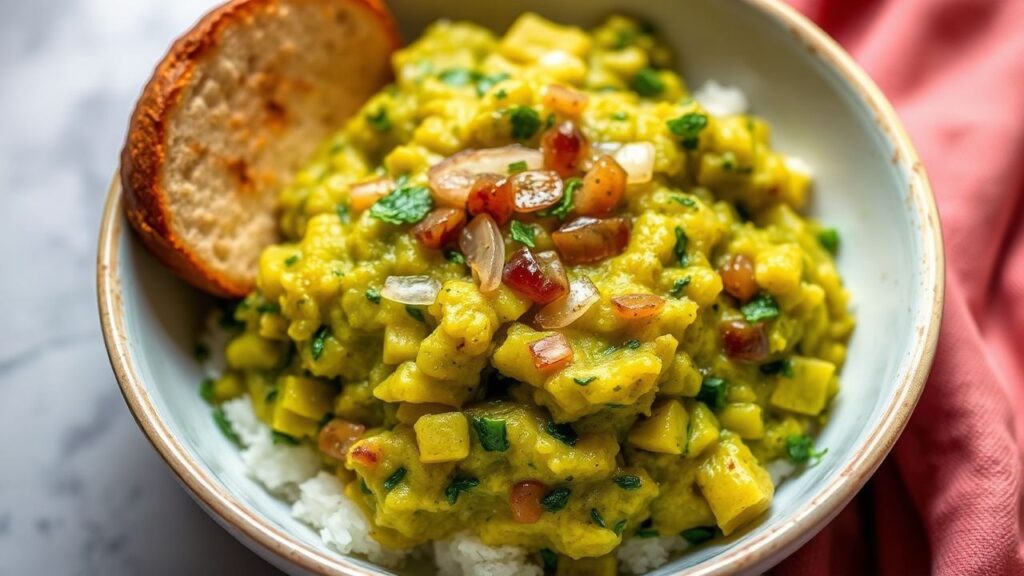
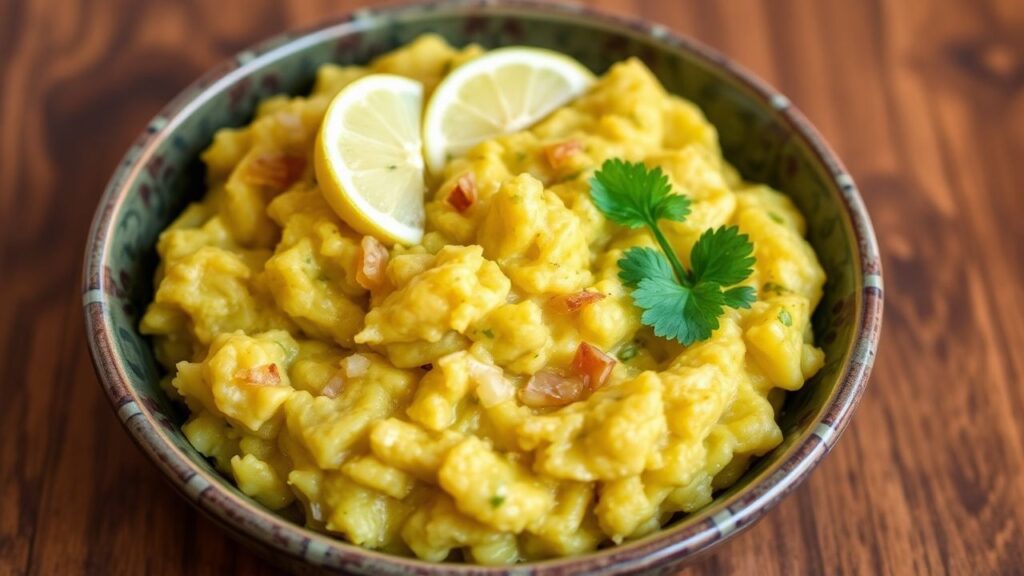
- Combine and serve: Spoon warm mangú onto plates and top with sautéed onions. Garnish with parsley or cilantro.
Tips for Success
Getting mangú right comes down to two things: texture during mashing and onion balance during sautéing. Follow these points and you’ll nail it on the first try.
Also, taste as you go. Vinegar strength varies by brand, and salt needs can change with plantain size.
- Peeling plantains: Score the skin lengthwise, then peel with a steady pull. This reduces tearing and keeps the flesh intact.
- Mashing consistency: Mash by hand for a classic texture. Avoid over-blending if you want a slightly rustic body.
- Onion sweetness: Cook onions over medium heat so sugars develop without burning. Finish with vinegar for contrast.
- Variation: For dairy-free, use extra virgin olive oil instead of butter while mashing.
- Make ahead: Boil and mash up to a day ahead. Reheat gently with a splash of water to restore creaminess. Warm onions separately.
- Flavor elevating: Finish with fresh lime juice if you want extra brightness. A small squeeze keeps flavor lively.
Onions behave differently depending on slice thickness. Thin slices soften faster and blend into the topping, while thicker slices keep more bite. Choose your slice size based on how you want the fork to feel.
Cooking vinegar into onions also changes how you perceive sharpness. Acid becomes rounder after brief simmering, and it helps the onions taste less sugary while still delivering depth. If you’re curious about onion properties, see onion for general culinary context.
Serving Suggestions
Mangú works as a full plate base or as a rich side. Its mild flavor pairs well with proteins and vegetables that bring salt, smokiness, or crunch.
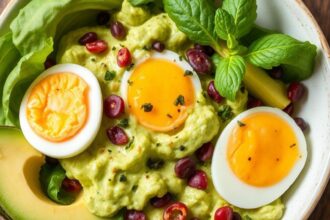
Traditionally, you’ll often see mangú served with eggs or fried cheese. If you want a more modern plate, add grilled chicken, sautéed vegetables, or ripe avocado slices for creaminess and freshness.
For a quick pairing idea, think in contrast: creamy mash + savory topping + crisp side. A simple salad or tangy slaw also balances the richness.
| Nutrient | Per Serving |
|---|---|
| Calories | 280 kcal |
| Protein | 2.5 g |
| Carbohydrates | 55 g |
| Fat | 8 g |
For a wider look at starchy cooking techniques, carbohydrates can help explain why plantain starch turns creamy with heat and mechanical mashing. You’re basically creating a thickened mash through gelatinization, then stabilizing it with fat.
If you want to explore similar Caribbean comfort dishes, consider how plantains show up across the region’s savory meals. Methods vary, but the goal stays the same: transform firm fruit into a satisfying, spoonable component.
Q&A
Questions come up often when people try mangú for the first time. Use these answers to troubleshoot texture, toppings, and timing.
Each response focuses on practical choices you can make in your kitchen right away.
What is mangú, and why is it a staple in Dominican cuisine?
Mangú is a comforting dish made from boiled green plantains mashed until creamy. It’s common in the Dominican Republic because it’s filling, easy to serve in portions, and naturally flavors well with onions and vinegar.
It also connects food to daily life. Families use it as a breakfast base and a side for dinner, often pairing it with eggs, cheese, or savory meats.
How do I choose the perfect green plantains for mangú?
Pick firm, unripe green plantains with bright green skins. If you see many yellow spots, the plantains become more sweet and can mash with a softer, less traditional feel.
When in doubt, go greener. Mangú depends on starch that turns smooth after boiling.
What’s the secret to the right mangú consistency?
Boil until fork-tender, then drain well and mash immediately. Gradually add butter and olive oil while the plantains stay hot so the mash becomes creamy instead of dry.
If it thickens too much, stir in a small splash of warm cooking water. You control texture by timing and moisture.
Why are sautéed onions the classic topping?
Sautéed onions add sweetness and savory depth. Cooking them slowly lets natural sugars develop, and finishing with vinegar brings a tangy contrast.
This balance keeps mangú from tasting one-note, especially when the mash itself is mild.
Can I customize mangú with other toppings or sides?
Yes. Mangú pairs well with fried eggs, sautéed vegetables, and grilled chicken. You can also add herbs for freshness or a squeeze of lime for extra brightness.
If you keep the topping warm and add acidity in small amounts, the plate stays balanced and satisfying.
To Wrap It Up
Mangú brings Dominican comfort food to your table with simple technique and rich payoff. Boil, mash, then top with onions for a creamy plate that feels both everyday and special.
When you serve it warm, the flavors come through cleanly: plantain silkiness, onion sweetness, and vinegar brightness. Make it once, then adjust onion cook time and seasoning to match your taste.
See also: Mangú Magic