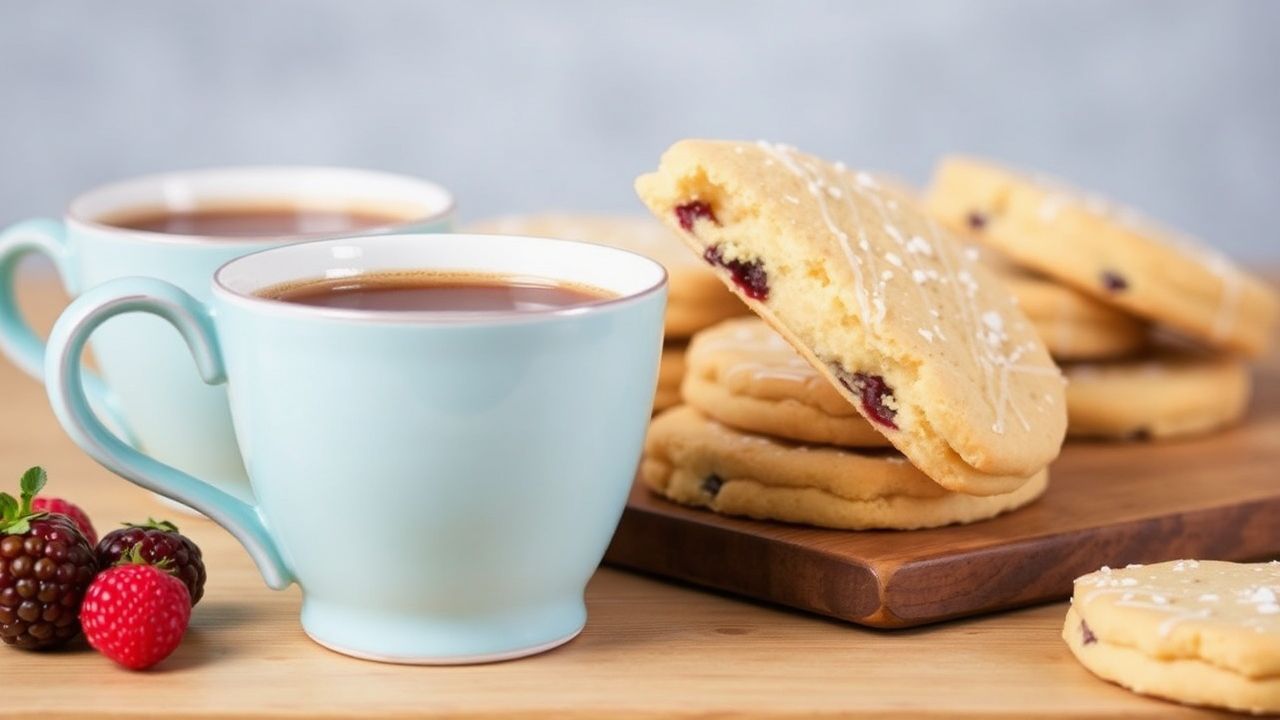
A warm tray of shortbread has a way of slowing everything down. This wholesome grain-free shortbread keeps the same comforting, buttery crunch, then swaps wheat flour for nut-based flours that many people tolerate better. You get a tender bite, clean ingredients, and a recipe you can bake with confidence for tea time or holiday trays.
- The Art of Crafting Grain-Free Shortbread Dough
- Q&A
- What makes traditional shortbread different from grain-free shortbread?
- Why choose grain-free shortbread over the classic version?
- What common grain-free flours work in this style of shortbread?
- How do I keep the texture tender instead of crumbly?
- Can I store wholesome grain-free shortbread and keep it fresh?
- The Way Forward
- Grain-free flour swap: Use almond and coconut flour for classic shortbread flavor.
- Better texture control: Chill dough to prevent spreading and improve crumb.
- Right bake timing: Bake until edges set and centers stay tender.
- Make-ahead friendly: Chill up to 48 hours or freeze for later.
Think of this as a traditional cookie with smarter structure. Almond flour delivers a rich, buttery taste, while coconut flour adds absorbency that helps the dough hold its shape. If you enjoy classic shortbread but need grain-free options, this version gives you that familiar pull-apart crumb without guesswork.
To build real confidence, anchor your choices in ingredient behavior. Almond flour forms a crumb with fats from nuts, and coconut flour soaks up moisture quickly, which is why the recipe uses a measured blend. For more on how flour types behave, see almond flour and coconut flour.
The Art of Crafting Grain-Free Shortbread Dough
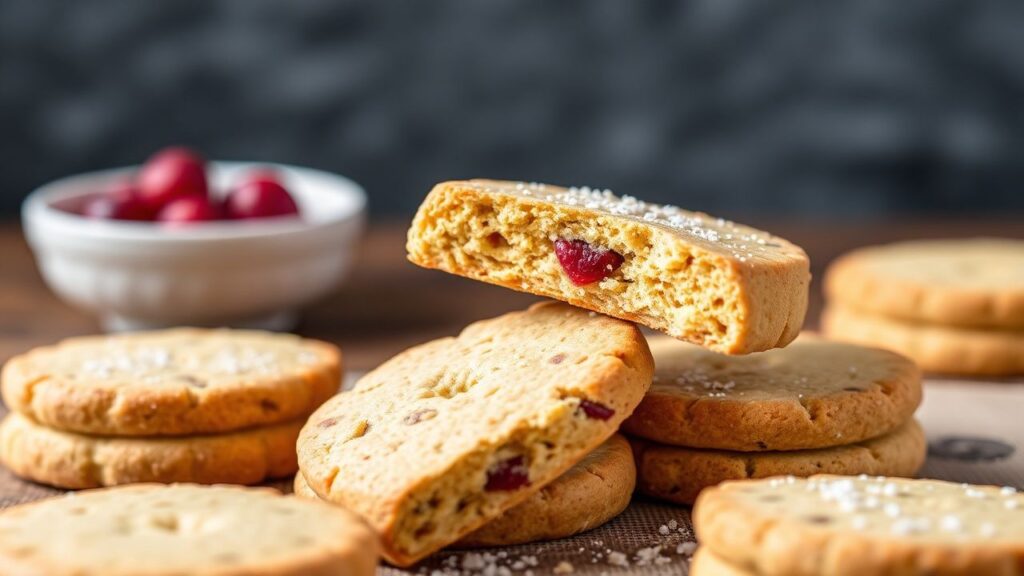
The key to great wholesome grain-free shortbread sits in dough handling. Grain-free flours act differently from wheat, so you must mix gently, then chill. When you do, you lock in a crisp edge and a soft, melt-in-your-mouth center.
Start with the dry blend first, then cream butter and sweetener until smooth. This method distributes fats evenly, which helps the dough bake with a consistent crumb. For background on how fats and texture work in baked goods, review butter and food texture.
Next, keep an eye on moisture balance. Coconut flour absorbs water, so the dough should feel cohesive, not wet. If you ever swap in a new sweetener, test small batches first, because honey and maple syrup bring different liquid levels.
Expert Insight: Consistent dough thickness matters more than you think. Aim for about a 1/2-inch thickness across the whole rectangle so every cookie bakes evenly.
Prep and Cook time
Plan your bake like a pro: measure ingredients, then chill before the oven. This timing keeps the dough firm, so shapes stay sharp and crisp.
- Preparation: 15 minutes
- Chilling: 30 minutes
- Baking: 20–25 minutes
- Total: about 1 hour 10 minutes
Yield
This batch makes about 24 bite-sized shortbread pieces. If you cut larger rectangles, you may get closer to 18–20 cookies.
For even spacing on the tray, lay cookies about 1 inch apart. That space supports airflow and helps each edge dry into a clean, crisp bite.
Difficulty Level
Difficulty stays easy to medium. Most of the work involves measuring and chilling, not complicated techniques.
If you bake gluten-free often, you’ll recognize the pattern: gentle mixing, firm dough, and careful timing. If you’re new, follow the steps exactly and the texture will come out right.
Ingredients
Use the ingredient list as written for the most reliable crumb. Each item supports structure, flavor, or moisture control.
- 1 ¾ cups almond flour (finely ground, blanched preferred for a lighter texture)
- ½ cup coconut flour (for absorbency and mild sweetness)
- ¼ teaspoon fine sea salt
- ⅓ cup raw honey (or pure maple syrup for a vegan option)
- ½ cup (1 stick) unsalted butter, softened
- 1 teaspoon pure vanilla extract
- Optional: zest of 1 lemon or orange
If you want to learn more about honey’s role in baking, check honey. For citrus aroma compounds and flavor lift, see citrus.
Instructions
Follow these steps in order. The sequence matters because it controls mixing and dough firmness.
- Prepare your flours: In a large mixing bowl, whisk almond flour, coconut flour, and sea salt until fully combined. Even distribution helps the dough bake with one consistent crumb.
- Cream the butter and sweetener: Beat softened butter until smooth. Add honey (or maple syrup) and vanilla, then mix until the mixture turns light and creamy, about 2–3 minutes.
- Incorporate the dry ingredients: Add the flour mixture gradually. Fold gently with a spatula or mix on low until the dough just comes together. Overmixing can lead to a tougher bite.
- Enhance with zest: If using citrus zest, fold it in now. This keeps aroma bright and evenly spread.
- Shape and chill: Flatten the dough into a roughly 1/2-inch thick rectangle on parchment. Wrap and refrigerate at least 30 minutes to firm it up and reduce spreading.
- Preheat and prepare the baking surface: Heat oven to 325°F (163°C). Line a baking sheet with parchment or a silicone mat.
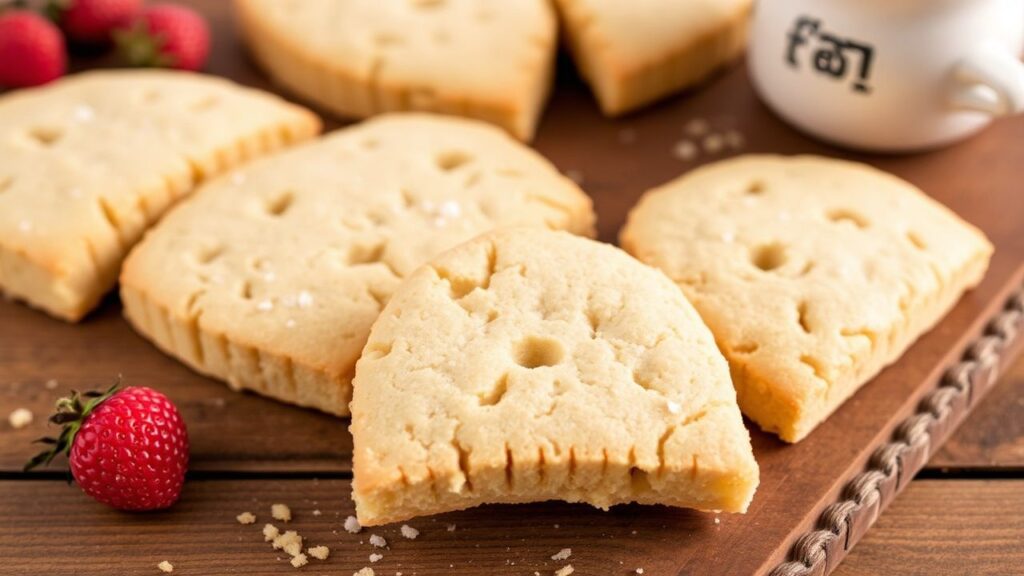
- Cut and arrange: Remove chilled dough and cut into rectangles or rounds. Place cookies about 1 inch apart.
- Bake to perfection: Bake 20–25 minutes. The edges should look set and lightly golden, while the center should still feel tender. Rotate the pan halfway for even browning.
- Cool and serve: Cool on the tray for 10 minutes, then move to a wire rack. Cooling helps the crumb finish setting so cookies don’t crumble on contact.
Shortbreads rely on fat distribution and controlled heat. If you’re curious about the science basics, refer to carbohydrates and Maillard reaction for how browning develops during baking.
Also, measure almond flour by volume consistently. Almond flour can vary in how finely it’s milled, and a heavier pack can thicken the dough. If you notice dough dryness, let it rest 2–3 minutes before shaping, then decide whether you need a tiny adjustment in future batches.
Tips for Success
Small choices make a big difference in grain-free baking. Use these tips to lock in flavor, crisp edges, and a tender crumb.
- Selecting nut flours: Almond flour gives the most classic buttery flavor. Cashew or hazelnut flour works, but it can shift texture and sweetness. Avoid super-coarse grinds for smoother dough.
- Sweeteners matter: Honey adds floral notes and helps keep cookies soft. Maple syrup works well for a vegan version, but it may brown slightly differently.
- Maintain dough temperature: If your kitchen runs warm, chill the dough between shaping batches to keep edges crisp.
- Butter quality: Use high-quality unsalted butter for the best flavor. For dairy-free swaps, use a firm coconut-oil-based option and expect a slightly different snap.
- Make-ahead advantage: Refrigerate dough up to 48 hours or freeze up to one month. Bake straight from cold for steady results.
For a practical guide to cookie doneness, check baking. Baking times vary by oven, but visual cues like set edges and lightly golden surfaces stay dependable.
Serving suggestions
Serve your wholesome grain-free shortbread with warm tea, coffee, or a cup of spiced herbal infusion. The cookie’s buttery base pairs well with mild bitterness from tea and the brightness of citrus zest.
For a simple upgrade, dust with powdered coconut sugar or dip half the cookie in melted dark chocolate, then chill until set. If you love fresh contrast, add berries on the side for a juicy, tart balance.
If you want more snack ideas in the same style, explore grain-free dessert recipes. You can also pair these cookies with a basic fruit compote to stretch flavor across a whole dessert board.
| Nutrient | Per Serving (1 piece) |
|---|---|
| Calories | 110 kcal |
| Protein | 2 g |
| Carbohydrates | 6 g |
| Fat | 9 g |
Nutrition numbers can vary by brand and portion size. For a general overview of macronutrients used in baked goods, see macronutrient.
Q&A
Use these answers to troubleshoot quickly and adjust confidently. Grain-free cookies reward careful handling, and these points cover the most common questions.
If you’re baking for dietary needs, always check labels on almond flour, coconut flour, and sweeteners. Cross-contact can vary by brand, so verify packaging when it matters.
What makes traditional shortbread different from grain-free shortbread?
Traditional shortbread relies on wheat flour, which uses gluten to shape texture. Grain-free shortbread uses alternative flours like almond and coconut flour, so structure comes from nut fats and coconut absorbency instead.
Why choose grain-free shortbread over the classic version?
People pick grain-free options for dietary preference, sensitivity to wheat, or simply to try a different ingredient profile. Almond flour adds a rich taste, and coconut flour helps the dough hold its form.
What common grain-free flours work in this style of shortbread?
Almond flour is the most reliable base for a buttery crumb. Coconut flour adds structure, while other nut flours can change flavor and moisture behavior—so start with a tested blend.
How do I keep the texture tender instead of crumbly?
Chill the dough before baking and avoid overmixing. Coconut flour absorbs moisture, so the dough should come together cohesively; if it feels dry, rest it briefly before cutting.
Can I store wholesome grain-free shortbread and keep it fresh?
Store cooled cookies in an airtight container for about a week at room temperature. For longer storage, refrigerate or freeze, then let them return to room temperature for the best bite.
The Way Forward
If you want a shortbread that fits modern needs, wholesome grain-free shortbread delivers a classic outcome with smarter ingredients. You keep the comforting buttery flavor while using grain-free flours that support a clean, snackable treat.
Once you master this base recipe, you can adjust flavor with citrus zest, toasted coconut, or a small pinch of spices. Keep the structure steps the same—mix gently, chill well, and bake until edges set—then let your creativity add the finishing touch.
For more ingredient context, browse almonds and vanilla. Small swaps can shift flavor fast, so use the same technique each time for consistent results.
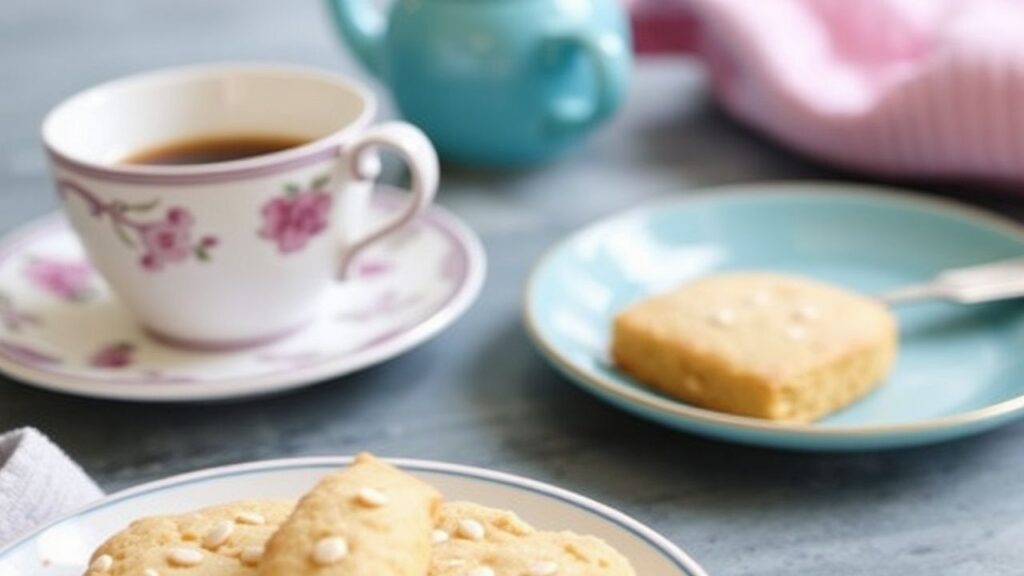
When you reimagine a familiar cookie, the goal stays simple: deliver comfort you can feel good about. Bake a batch, share it, and enjoy the crisp edges with a tender center every time.
Internal links: For more related inspiration, visit Grain-Free Dessert Recipes and pair these cookies with another recipe in your rotation from the same collection.
See also: grain-free shortbread