
Fruit salad shines in summer as a fast, nutritious way to serve seasonal sweetness and texture. This expert guide keeps the salad vibrant, balanced, and easy to scale for family meals or gatherings.
- At a glance: choose ripe-but-firm fruit, balance sweet and tart, and add fresh herbs for brightness.
- Prep smart: cut uniformly and chill briefly to let flavors marry.
- Keep crisp: dress just before serving for best texture.
Why fruit salad works
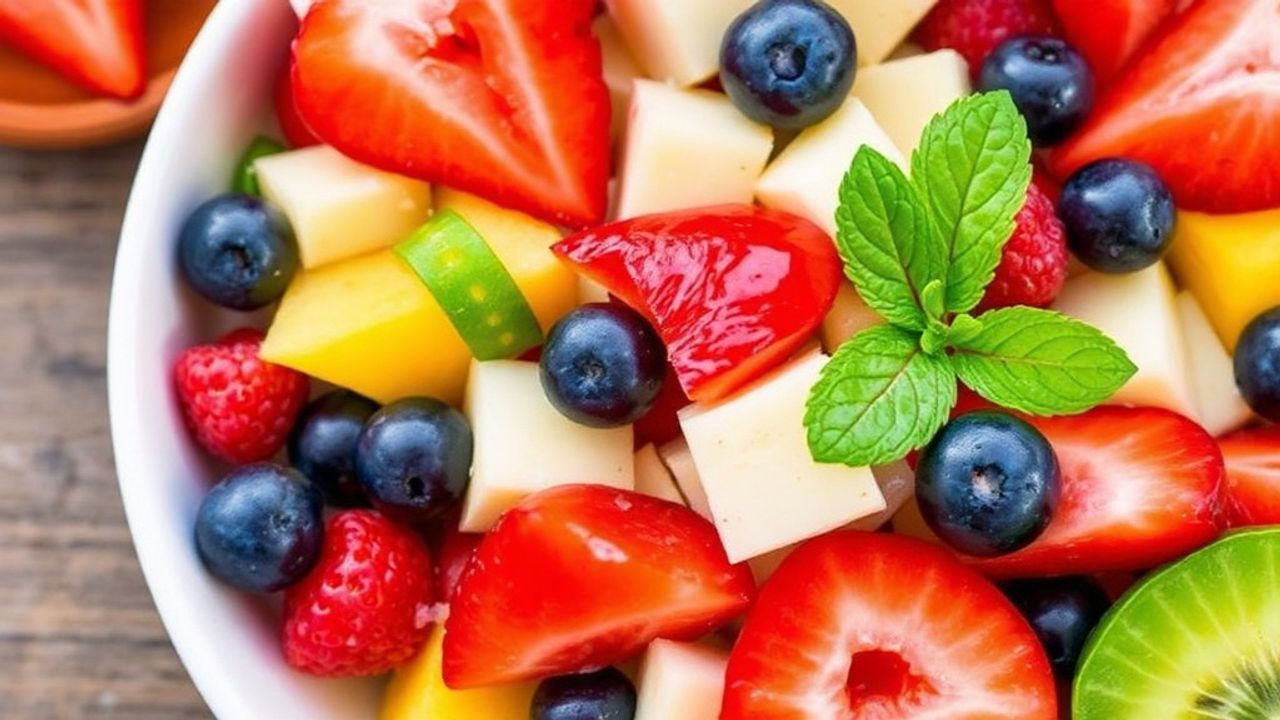
A well-built fruit salad succeeds because it combines complementary sugars, acids, and textures. Each bite should offer contrast: soft mango, crisp apple, and juicy melon create a balanced mouthfeel.
Professional cooks use simple chemistry: acid brightens sweetness and salt amplifies flavor. Using a small amount of citrus and a pinch of sea salt produces a larger perceived sweetness without adding sugar.
Prep, timing, and yield for fruit salad
Planning: 20 minutes | Cooking: none | Serves: 4 generous portions. These benchmarks help you scale the recipe for parties or meal prep.
Cutting and chilling technique matter. Uniform cuts improve portion balance and chilling for 15–30 minutes allows the dressing to coat pieces evenly without sogginess.
Ingredients for the best fruit salad
Choose a mix of sweet, tart, and neutral fruits so the salad reads lively and layered. Aim for three to five different fruits to keep flavor interest without overwhelming the palate.
Include at least one high-acid fruit (citrus or berries), one soft fruit (mango or peach), and one firm fruit (apple, pear, or grape). Add fresh herbs and a light dressing to tie the components together.
Key fruit choices
Use local, ripe produce when possible. For tropical sweetness, include mango and pineapple; for hydrating bites, choose watermelon.
Berries deliver acidity and color. Cantaloupe or honeydew provide mellow melon notes while apples or grapes add crunch and structure.
Herbs, dressing, and optional mix-ins
Fresh herbs lift a simple fruit bowl into a composed dish. Try chopped mint or torn basil for aromatic clarity.
A basic dressing of citrus juice, a mild sweetener, and a pinch of salt amplifies fruit flavors without masking them. Optional additions: toasted nuts, seeds, or a small scoop of yogurt at service.
Instructions to assemble the fruit salad
Follow methodical steps for professional results. Rinse, dry, and cut fruit uniformly to ensure each forkful contains balanced elements.
Toss gently and chill briefly. If you plan to serve later, store dressing separately and add it just before serving to keep fruit pieces crisp.
- Wash and dry: rinse all fruit under cool water and dry thoroughly to prevent dilution of the dressing.
- Cut uniformly: dice mango and melon into similar-size pieces; halve berries and slice firm fruit thinly for texture contrast.
- Mix herbs and dressing: whisk fresh lime or lemon juice with a tablespoon of honey or maple syrup, lime zest, and a pinch of sea salt.
- Toss carefully: combine fruit in a large bowl, drizzle dressing sparingly, and fold with a wide spoon to avoid crushing delicate pieces.
- Chill briefly: refrigerate 15–30 minutes to let flavors marry, but serve within two hours for best texture.
Tips for success
Small technique changes produce a markedly better fruit salad. Uniform cuts, minimal handling, and balanced dressing keep the salad fresh and appealing.
Use seasonal fruit to maximize natural sweetness and nutritional value. Seasonal picks also reduce cost and improve flavor intensity compared with out-of-season imports.
For texture contrast, add a handful of toasted almonds or pumpkin seeds at service. These boost satiety and provide pleasant crunch without overpowering fruit flavors.
Storage, safety, and when to add delicate items
Store the dressed salad in a sealed container for up to 24 hours but expect textural changes. Soft fruit releases juice over time; store dressings separately to maintain crispness.
Add bananas, avocado, or pomegranate seeds just before serving. These items brown or soften quickly and best complement a freshly dressed bowl.
Serving suggestions and pairings
Serve your fruit salad in chilled bowls, small mason jars, or hollowed fruit shells for visual impact. Garnish with whole herb sprigs or thin citrus peel curls for elegance.
Pair the salad with grilled proteins, a scoop of yogurt, or a light cheese for a balanced meal. For a summery dessert, add a small scoop of citrus sorbet at service.
Nutritional snapshot
Fruit provides vitamins, hydration, and natural sugars. A standard serving of mixed fruit typically yields 100–150 kcal depending on fruit selection and added sweeteners.
For precise planning, track portions: berries and melons are low-calorie and high-water, while mango and banana raise carbohydrate counts. Adjust dressing and mix-ins to meet dietary goals.
| Nutrient | Per Serving (approx.) |
|---|---|
| Calories | 120 kcal |
| Protein | 1.5 g |
| Carbohydrates | 30 g |
| Fat | 0.3 g |
FAQ
How do I keep my fruit salad from becoming soggy?
Dress just before serving and use firmer fruit as a base. Store cut fruit cold in a sealed container and add delicate items like bananas at the last minute.
Which fruit choices make the best summer fruit salad?
Select a balance of textures and acids: berries for tartness, mango or peach for softness, and melon or apple for juiciness and crunch. Seasonal picks yield better flavor and value.
Can I prepare fruit salad ahead of time for a party?
Yes. Store fruit and dressing separately and combine shortly before serving. If you must pre-mix, refrigerate and expect some juice separation—stir gently before plating.
Are there savory options for fruit salad?
Yes. Add a pinch of flaky sea salt, a dash of chili powder, or a splash of vinegar to create savory-sweet contrasts. Fresh herbs like mint or basil enhance savory profiles.
How should I scale this recipe for large groups?
Multiply ingredients by serving count and mix in a very large bowl to avoid crowding. Prepare dressing in a separate container and add gradually to reach desired gloss without over-saturating fruit.
For deeper background on components and produce handling, consult authoritative sources such as the fruit salad overview and pages on specific fruits like lime and cantaloupe. These references provide botanical context and standard handling guidance for fresh produce.
Use the guidance above to assemble a bright, flavorful fruit salad that keeps guests satisfied and returns consistently excellent results. With simple technique and seasonal selection, you can elevate an ordinary bowl into a standout summer dish.
See also: fruit salad