
spicy flavor excites the palate and challenges cooks to balance heat, aroma, and texture. As a culinary scientist and chef, I explain how spicy flavor works, why cultures revere it, and how to use it safely and deliciously.
- Key chemistry: capsaicin activates TRPV1 receptors to create the burn.
- Cultural reach: chili use maps migration, trade, and regional taste profiles.
- Cooking control: balance acids, fats, and cooling elements to tame heat.
- Practical tips: build tolerance gradually and use dairy or starch to calm a burn.
The Science of Spicy Flavor
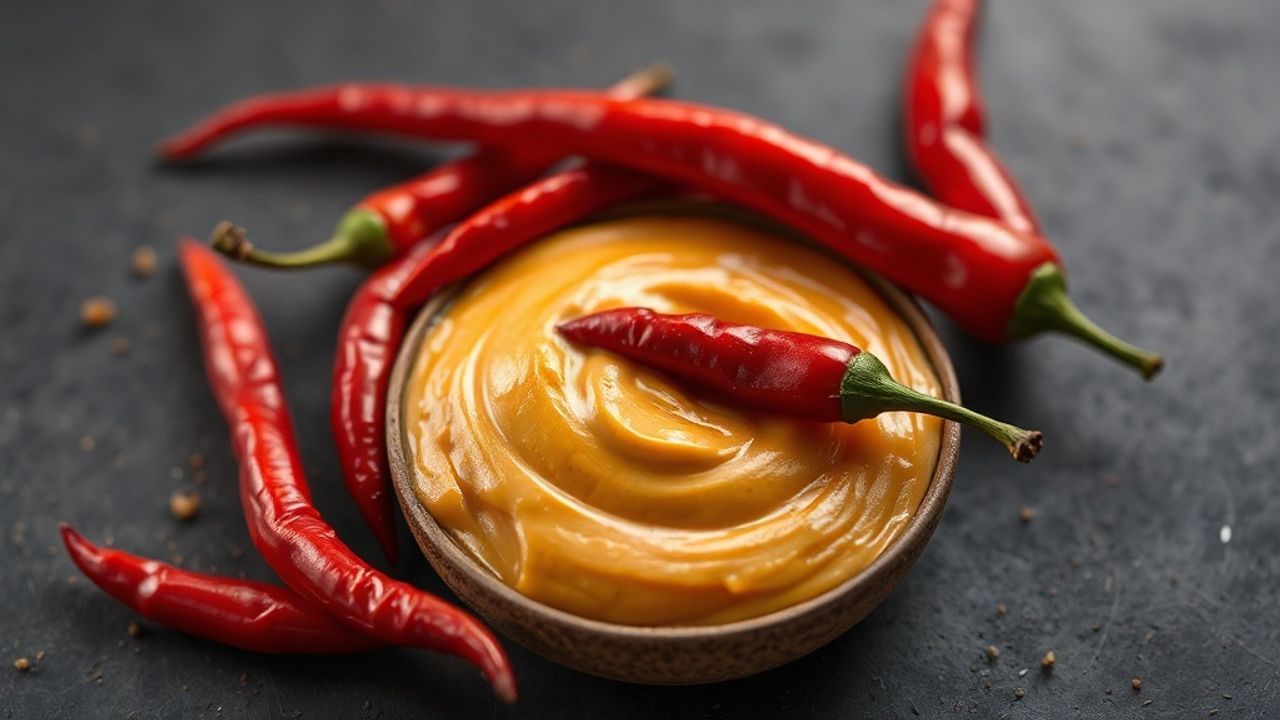
spicy flavor derives primarily from chemical irritants such as capsaicin in chili peppers. Capsaicin binds to heat-sensitive receptors on sensory neurons, producing the familiar burning sensation rather than a traditional taste.
To explore the compound itself, consult authoritative summaries on capsaicin at Capsaicin (Wikipedia). For context on the peppers that carry this compound, see Chili pepper (Wikipedia).
How capsaicin activates heat receptors
Capsaicin triggers the TRPV1 receptor, which normally responds to temperatures above about 42°C. When TRPV1 activates, the brain interprets the input as heat and pain, releasing endorphins and adrenaline in response.
This protective chemistry explains both the thrill and the physiological response to spicy flavor. For a technical reference on measurement of heat, review the Scoville scale (Wikipedia), which quantifies capsaicin heat in peppers.
Other molecular contributors
Not all spicy flavor comes from capsaicin. Allyl isothiocyanate (mustard, wasabi) and piperine (black pepper) create different sensory profiles—nasal heat or sharper bite rather than lingering burn.
Knowing the specific compound helps chefs select complementary ingredients and dosing. Each molecule distributes differently in fat and water, which affects how you control intensity in a dish.
Spicy Flavor in Global Culture
spicy flavor appears across continents, shaped by climate, trade, and preservation needs. Hot climates often favored spices with antimicrobial properties and bold flavors to mask spoilage.
Culinary traditions—from Mexican salsas to Indian curries and Sichuan cuisine—use heat strategically, combining textures and cooling agents to create balanced plates. For a focused look at regional pepper use, read about Sichuan pepper (Wikipedia).
Heat as cultural identity
Communities adopt heat as part of identity. Restaurants and families transmit recipes that calibrate spiciness to local tolerance and ritual, producing a wide spectrum of accepted heat levels.
Social behavior also plays a role: shared spicy meals can act as rites of passage, social bonding, and even competitive spectacle in modern dining culture.
Practical Cooking: Balancing Spicy Flavor
spicy flavor serves multiple culinary functions: it adds aroma, enhances perceived saltiness, and stimulates appetite. Chefs treat heat as another seasoning to layer thoughtfully.
Key tools to balance heat include acid, fat, sugar, and dairy. Acid brightens and distracts; fat carries and mellows capsaicin; sugar rounds sharp edges; dairy products bind capsaicin and reduce perceived heat.
Applying balance in a Thai basil chicken
When you build a dish like Thai basil chicken, add chilies early for infused heat, then counter with fish sauce, sugar, and fresh basil. Finish with aromatic oil to round the mouthfeel.
For readers who want the full recipe, find a dedicated version on our site at Spicy Thai Basil Chicken. For complementary condiments and sauces to pair with spicy flavor, see spicy sauces and condiments.
In practice, adjust heat incrementally. Cook a test portion if you plan to serve a mixed group, and keep cooling agents on the side for diners who need relief.
Techniques to Reduce or Enhance Spiciness
To reduce spiciness, remove seeds and membranes where most capsaicin concentrates. Rinse chopped peppers under cold water briefly or sauté to diffuse surface oils.
To intensify heat, add concentrated elements late in cooking or incorporate chili oils and flakes. Toasting dried chilies increases smoky notes and perceived heat without adding capsaicin mass.
Measuring and predicting heat
Use the Scoville scale as a guideline but remember that freshness, variety, and growing conditions change capsaicin levels. Always err on the side of caution when substituting peppers.
Document household preferences and record which peppers produced the desired result. Over time you build a reliable reference that makes heat predictable.
Nutritional and Safety Notes
spicy flavor ingredients like capsaicin have documented physiological effects. Research indicates potential benefits for metabolism and localized pain relief when applied topically, though dosing and context matter.
Avoid extreme ingestion for people with sensitive gastrointestinal conditions. If guests report heartburn or nausea, serve bland starchy foods and dairy to mitigate symptoms quickly.
Tips for Home Cooks
spicy flavor becomes manageable when you control intensity at each stage: selection, handling, cooking, and finishing. Wear gloves when handling very hot peppers and avoid touching your face.
Use starches and dairy as first-line remedies for accidental over-spicing. Keep lime wedges and plain yogurt available when serving to help guests customize heat.
Substitutions and protein choices
You can substitute ground turkey or firm tofu for chicken for different textures while preserving the spicy flavor profile. Adjust liquid and seasonings to account for differing fat content.
For smoky complexity, finish with a small measure of toasted sesame oil or charred peppers. These additions enhance aroma without dramatically increasing capsaicin levels.
FAQ
How does spicy flavor create a pleasurable sensation?
Chemicals like capsaicin trigger pain receptors that release endorphins and adrenaline. Those compounds create a mild euphoria that many people interpret as pleasurable when paired with tasty food.
Is the Scoville scale reliable for home cooking?
The Scoville scale gives a comparative index of capsaicin content. It helps predict heat but cannot account for variables like freshness and preparation. Use it as a guideline, not a guarantee.
What neutralizes a spicy burn most effectively?
Dairy binds capsaicin and provides fast relief. Starch and acid offer secondary help: rice soaks up oils, while lime diverts the palate with brightness.
Are there health benefits to eating spicy flavor?
Moderate consumption of capsaicin-rich foods may support metabolism and reduce inflammation in some contexts. Benefits depend on individual health and overall diet balance.
How can I train my palate for more heat?
Increase spice slowly and consistently. Combine heat with complementary flavors so the experience remains enjoyable as tolerance grows. Record results and refine your approach over weeks.
Understanding spicy flavor on both a molecular and cultural level improves cooking decisions and guest experience. Use the internal recipe links and the practical techniques here to control heat and amplify flavor safely.
See also: spicy flavor