


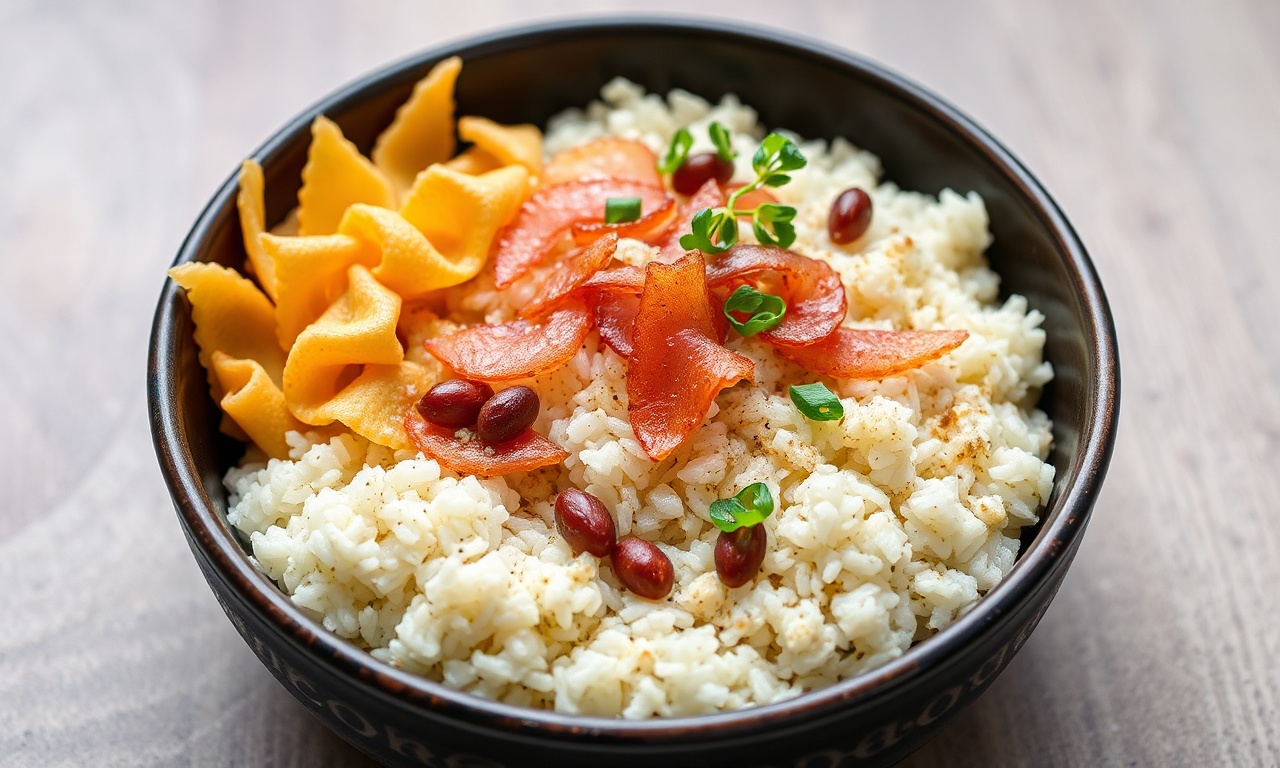
Imagine a bowl where nutty lentils meet fluffy rice and toasted pasta, all finished with a crown of crispy onions. This layered rice, lentil & pasta bowl rewards careful technique and simple pantry ingredients for bold texture and balanced flavor, showcasing the delicious possibilities of layered rice. This layered rice recipe offers a delightful combination of textures and tastes.
- Choosing the Perfect Lentils and Pasta for Balanced Flavor and Texture in Layered Rice
- Mastering Crispy Onions for Ultimate Crunch and Aroma in Layered Rice Bowls
- Serving Suggestions and Flavor Pairings to Elevate Your Layered Rice Bowl
- Recipe Details: Prep, Ingredients, and Step-by-Step Instructions for Layered Rice
- Nutritional Snapshot
- FAQ
- Layer for contrast: Keep rice, lentils, and pasta distinct for better mouthfeel.
- Toast small pasta: Browning boosts aroma and helps it resist sogginess.
- Fry onions low and slow: Gentle heat builds caramelized flavor and crunch.
- Store onions separately: Add them at the last minute to preserve crispness.
Choosing the Perfect Lentils and Pasta for Balanced Flavor and Texture in Layered Rice
When it comes to layered rice, Select the right lentils to control texture and cooking time. For a firm, separated bite, choose brown or green lentils, while red lentils break down to create a creamier base.
Match pasta size to the bowl. Tiny shapes like broken vermicelli or orzo nestle between rice grains. That size also helps pasta brown evenly without turning bitter.
Why Layered Rice Matters: Types of Lentils and Why They Matter
Brown and green lentils hold their shape after simmering. That keeps the layered rice and lentil bowl tasting structured instead of mushy.
Red lentils partially dissolve and enrich the rice layer. Use them when you want a cohesive base that still carries the crisp onion crunch at the top.
Pasta Options and Toasting Technique
Choose small pastas such as broken angel-hair (vermicelli), orzo, or small broken spaghetti. Smaller pieces toast quickly and stay crisp longer when you build a stacked bowl.
Toast the pasta in a wide skillet over medium heat until golden. This step develops a nutty aroma and helps pasta absorb flavors during layering, rather than soaking them too fast.
Mastering Crispy Onions for Ultimate Crunch and Aroma in Layered Rice Bowls
Crispy onions deliver the sensory peak for a layered rice, lentil & pasta bowl. You get sweetness, deep umami, and a loud crunch that contrasts with soft rice and tender lentils.
Fry onions on medium-low heat and stir gently. As the slices color, you help drive flavor development without scorching the sugars.
Frying Technique That Works Consistently
Use a wide, shallow pan with enough oil so slices can brown rather than steam. Keep the temperature steady; high heat burns the exterior before the onion sweetens.
Stir occasionally, not constantly. Frequent stirring disrupts even browning and slows caramelization, so you lose crisp edges and rich flavor.
Storage and Re-crisping
Cool fried onions in a single layer on paper towels to remove surface oil. Then store them in an airtight container at room temperature for up to three days to keep crunch.
If the onions soften, re-crisp them in a dry skillet over medium heat for 1–2 minutes. Add them right before serving so the bowl stays layered, not muted.
Keep onions separate from the rest of the dish during storage. When moisture touches crispy onions, the crunch fades fast, even if they still taste good.
When you plan a make-ahead meal, cool rice and lentils quickly. Then reheat gently with a splash of broth to restore moisture and fluff.
Serving Suggestions and Flavor Pairings to Elevate Your Layered Rice Bowl
Serve your layered rice, lentil & pasta bowl warm in a shallow dish. Place rice and lentils first, then pasta, and finish with crispy onions to keep the visual stack intact.
Use herbs and acid to balance richness. A bright squeeze of lemon also sharpens the fried onion flavor and keeps the bowl from tasting heavy.
Garnishes That Brighten and Balance
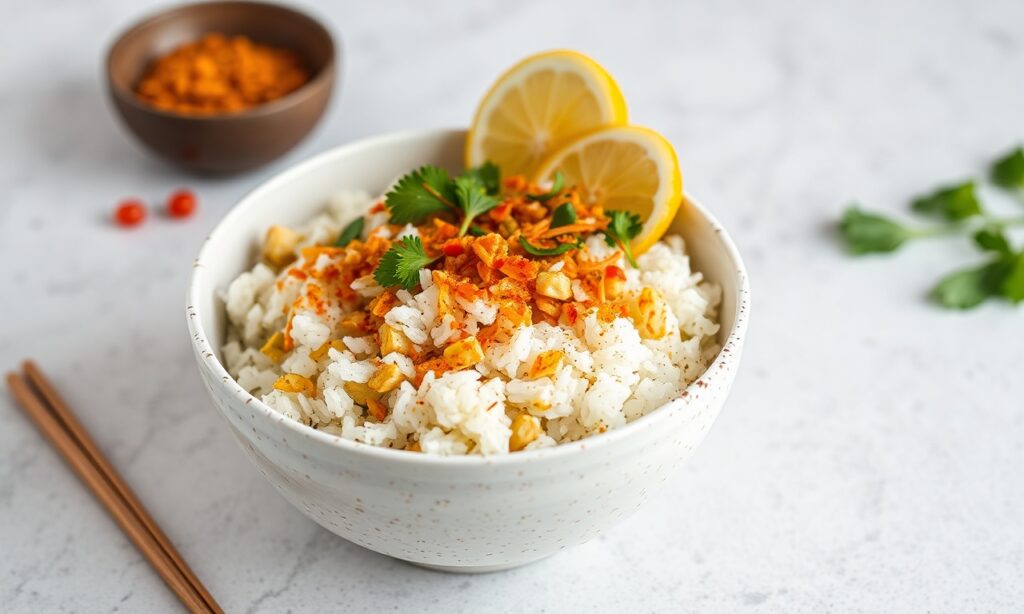
Top with chopped cilantro or mint, plus lemon wedges. Diners can then adjust acidity to taste without drowning the lentil base.
For extra texture, add toasted nuts or seeds. That option increases crunch and protein while still letting crispy onions lead the flavor contrast.
Recommended Pairings and Presentation
Pair the bowl with crisp salads or pickled vegetables for palate-cleansing acidity. Those sides also strengthen the layered rice and noodle style that many pilaf-style meals share.
This concept also overlaps with rice dishes built around spice, aroma, and layering. For reference on rice-based traditions, review pilaf and how cooks build flavor in stages.
To deepen your understanding of rice cooking behavior, read basmati rice. Grain shape and starch release strongly affect how your rice layer stays fluffy for stacking.
Recipe Details: Prep, Ingredients, and Step-by-Step Instructions for Layered Rice
Preparation: 15 minutes for mise en place and toasting pasta. Cooking: 40 minutes including simmer time for rice and lentils.
Yield: Serves 4 generously. Difficulty: Medium—requires multi-step timing and careful frying control.
Ingredients
1 cup basmati rice, rinsed and soaked for 20 minutes; 1/2 cup brown or green lentils, rinsed. 1/4 cup broken angel hair (vermicelli) or orzo; 2 medium onions thinly sliced; 3 tablespoons vegetable oil.
Seasonings: 1 teaspoon cumin seeds, 1/2 teaspoon turmeric, salt to taste, and 4 cups water or vegetable broth. Garnishes: fresh cilantro or mint, lemon wedges, plain or plant-based yogurt optional.
Onions work best for crisping when sliced thin and dried well. If you want background on onion chemistry and cooking behavior, see onion.
Instructions
Cook rice and lentils together in a saucepan with 4 cups water or broth, turmeric, and salt. Bring to a boil, then simmer covered on low for 20–25 minutes until grains and lentils become tender; fluff with a fork.
Meanwhile, toast the broken pasta in 2 tablespoons of oil over medium heat until golden. Remove to drain so it stays slightly crisp before you layer it.
In the same skillet, add oil if needed and fry sliced onions over medium-low heat with a pinch of salt. Cook until deep golden and crisp, about 12 minutes.
To assemble, warm a serving dish and layer the rice-lentil mixture evenly across the base. Scatter toasted pasta over the layer, then finish with a generous crown of crispy onions.
Garnish with chopped cilantro or mint and serve with lemon wedges and a side of yogurt. Encourage each diner to add yogurt and lemon to taste.
Tips for Success
Cook each component separately to control doneness and texture. This prevents the layered rice, lentil & pasta bowl from turning uniform and bland.
Experiment with spice additions like a pinch of garam masala or smoked paprika for extra depth. You can also swap in split peas or chana dal for new textures while keeping the same layering method.
For ingredient behavior, pasta shape matters because surface area affects browning. See pasta for a quick overview of how shapes differ.
Nutritional Snapshot
This layered rice, lentil & pasta bowl balances carbohydrates, plant protein, and moderate fat when you use the listed oil. For an estimated single serving, expect roughly 350 calories with about 12 g protein, 58 g carbs, and 8 g fat.
Adjust portions based on goals and activity. If you want more fiber, choose whole-grain or alternative rice styles and pair with vegetables or pickles.
FAQ
What lentils should I use for distinct texture?
Choose brown or green lentils when you want defined, separate grains after cooking. Red lentils work when you prefer a creamier, more cohesive base for your layered rice, lentil & pasta bowl.
Why toast the pasta before layering?
Toasting develops nutty flavor and helps pasta resist sogginess when combined with rice and lentils. The browning step also improves the bowl’s aroma and adds a stronger, warmer taste.
How do I keep crispy onions crunchy for leftovers?
Store fried onions separately in an airtight container at room temperature. Add them just before serving, and re-crisp in a dry skillet over medium heat if they soften.
Can I make the bowl gluten-free?
Yes. Swap the wheat pasta for a gluten-free small pasta, or omit pasta and increase lentils or toasted nuts for texture. Also check packaged items for certified gluten-free labeling.
Which spice mix works best with lentils and rice?
Cumin and turmeric work especially well because they match lentil earthiness and pair naturally with lemon and herbs. Adjust heat by adding chili powder or smoked paprika in small amounts.
See also: layered rice