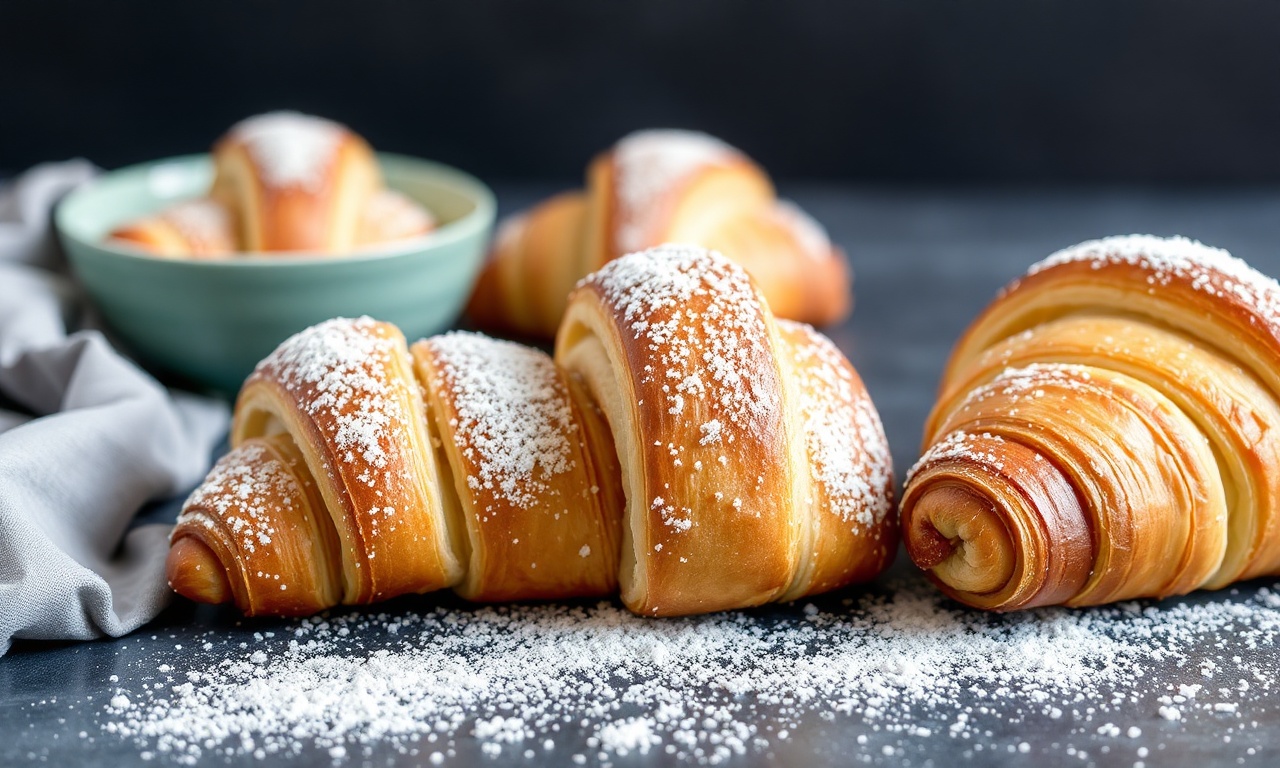
There’s something irresistibly magical about biting into a perfectly flaky, buttery croissant—the delicate layers melting on your tongue, whispering tales of old-world bakeries and leisurely parisian mornings. But what if you could bring that same Irresistible Flaky decadence into your own kitchen with a simple twist? Enter the croissant-style crescent roll: a delightful hybrid that marries the ease of a classic crescent roll with the rich, layered texture of a traditional croissant.
When it comes to achieving that coveted Irresistible Flaky texture, this guide will uncover the secrets behind crafting these golden, buttery beauties from scratch, transforming everyday ingredients into a bakery-worthy treat that’s sure to elevate breakfast, brunch, or any snack time. Get ready to roll up your sleeves and embark on a flaky, buttery adventure that will fill your home with irresistible aromas and your plate with pure delight.
Understanding the Secrets Behind Irresistible Flaky Layers and Rich Buttery Flavor
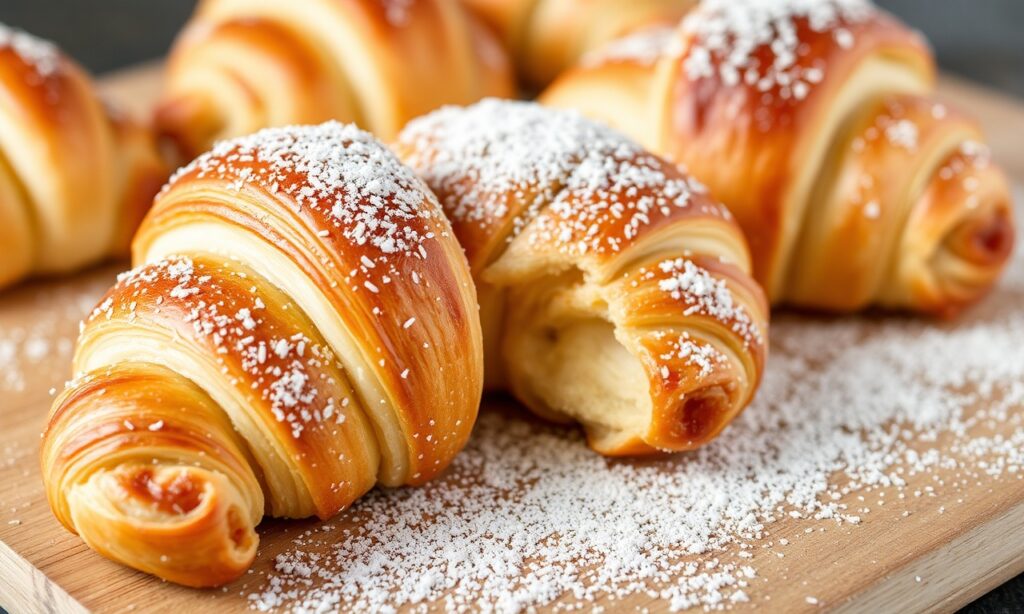
Irresistible Flaky & buttery Croissant-Style Crescent Rolls capture the heart of French pastry artistry, combining tender, golden layers with a sumptuous, melt-in-your-mouth richness. Achieving that iconic texture and flavor starts with selecting premium ingredients and mastering the delicate lamination process. Each layer of dough interspersed with silky butter creates the irresistible crispiness, while careful preparation ensures the rolls remain soft and airy inside, inviting you back for another bite. For more on the history of this pastry, visit Wikipedia’s Croissant page.
Irresistible Flaky: Prep and Cook Time
- Prep Time: 3 hours 30 minutes (including refrigeration and resting)
- Cook Time: 15-20 minutes
Yield
- Makes: 12 flaky crescent rolls
Difficulty Level
- Medium – Requires patience and attention to lamination technique
Ingredients
- 3 ½ cups all-purpose flour, sifted
- ½ cup whole milk, warm (about 90°F / 32°C)
- ⅓ cup granulated sugar
- 2 ¼ tsp active dry yeast (1 packet)
- 1 tsp fine sea salt
- 10 tbsp unsalted butter, very cold (divided: 7 tbsp for lamination, 3 tbsp softened for dough)
- 1 large egg, room temperature (for egg wash)
- 1 tbsp water (for egg wash)
Instructions
- Activate the yeast. In a small bowl, combine warm milk, sugar, and active dry yeast. Stir gently and let it sit until foamy, about 5-7 minutes, indicating the yeast is alive and ready.
- Prepare the dough. In a large mixing bowl, whisk together sifted flour and salt. Make a well in the center and add the yeast mixture plus the softened 3 tbsp butter. Mix using a dough hook or by hand until you form a smooth, elastic dough that pulls away from the sides, about 6-8 minutes. Cover with plastic wrap and refrigerate for at least 1 hour.
- Shape the butter block. While the dough chills, slice the 7 tbsp cold butter into thin pats. Place them between two sheets of parchment paper, and gently tap and roll into a perfect 7-inch square. Keep chilled until firm but pliable.
- Laminate the dough. On a lightly floured surface, roll the dough into a 10×10 inch square. Place the butter block in the center at a 45-degree angle (diamond shape). Fold the dough’s corners over the butter to fully encase it, pinching seams to seal.
- First fold. Roll the dough gently into a 20×10 inch rectangle. Fold it into thirds like a letter (this is a single “turn”). Wrap in plastic and refrigerate for 30 minutes.
- Second and third folds. Repeat the rolling and folding process two more times, chilling in between each turn. Proper chilling is essential to keep butter from melting into the dough; preserving distinct layers is the key to flaky rolls.
- Shaping the crescents. After the final fold and rest, roll dough to a 16×12 inch rectangle. Using a sharp knife or pizza cutter, slice into 12 triangles. Beginning at the wide end, roll each triangle tightly toward the tip to form crescents, curving slightly to create the iconic crescent shape.
- Proof the rolls. Place crescent rolls on a parchment-lined baking sheet, allowing ample space to expand. Cover loosely with a damp cloth and let rise at room temperature until nearly doubled, about 1 to 1 ½ hours.
- Apply egg wash. Whisk the egg with 1 tbsp water. Gently brush each roll to promote a golden, glossy crust.
- Bake to perfection. Preheat your oven to 375°F (190°C). Bake the crescent rolls for 15-20 minutes until puffed and deeply golden. Rotate the tray halfway for even baking. Remove and cool on a wire rack to preserve crispness.
Why Irresistible Flaky Matters: Tips for Success
- Keep it cold. The cornerstone of flaky & buttery croissant-style crescent rolls is cold butter and dough. If the butter softens too much, refrigerate the dough before rolling again.
- Precise rolling. Aim for even, consistent thickness when rolling out dough between folds to build perfect layers.
- Don’t rush the proofing. Allowing the rolls to fully proof develops lightness, but don’t over-proof or they will collapse during baking.
- Substitution note. Unsalted European-style butter works best for flavor and moisture balance, but high-quality unsalted butter from your region achieves great results too.
- Make-ahead tip. After shaping, freeze unbaked crescent rolls on a tray, then transfer to a freezer bag. Bake directly from frozen, adding 5-7 minutes to bake time.
- Internal link: For more on advanced lamination techniques, check out How to Laminate Dough: Step-by-Step Guide.
- External reference: Learn more about yeast fermentation and dough science at King Arthur Baking’s yeast guide.
Serving Suggestions
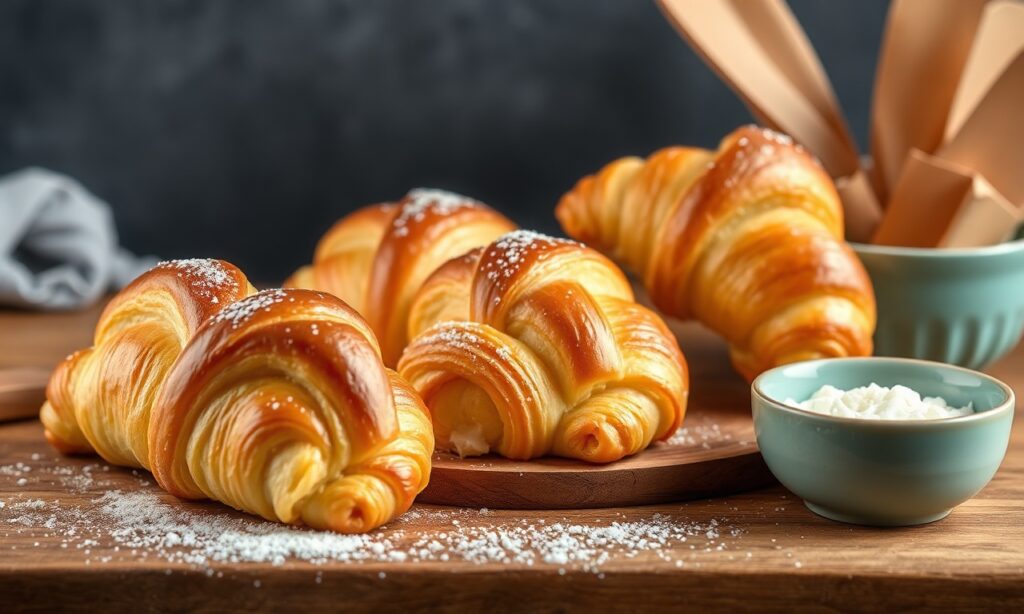
In the context of Irresistible Flaky, present these flaky & buttery croissant-style crescent rolls fresh from the oven with a light brush of melted butter for extra shine. They pair wonderfully with pure fruit jams, smooth honey, or a delicate dusting of powdered sugar for breakfast elegance. Layer them alongside a colorful fruit platter or hearty scrambled eggs for brunch gatherings. For a savory twist, slice and fill with creamy cheese or herb butter.
| Nutrient | Per Roll |
|---|---|
| Calories | 210 kcal |
| Protein | 5 g |
| Carbohydrates | 24 g |
| Fat | 11 g |
Q&A
Q&A: Irresistible Flaky & Buttery Croissant-Style Crescent Rolls Recipe Guide
Around Irresistible Flaky, Q: What makes croissant-style crescent rolls different from regular crescent rolls?
A: Croissant-style crescent rolls boast layers of decadently flaky, buttery pastry that practically melt in your mouth, thanks to the classic lamination technique. Unlike standard crescent rolls, which are more bread-like and soft, these rolls have that iconic tender, crispy exterior and delicate layered crumb reminiscent of a French bakery masterpiece.
Regarding Irresistible Flaky, Q: How do I achieve the perfect flaky layers in croissant-style crescent rolls?
A: The key lies in folding cold, high-quality butter into the dough through a process called “lamination.” Roll out your dough, place a slab of butter, then fold and roll it out repeatedly to create multiple layers. Keeping everything cold prevents the butter from melting into the dough, producing distinct, flaky layers when baked.
When it comes to Irresistible Flaky, Q: Can I make croissant-style crescent rolls from scratch, or should I buy pre-made dough?
A: While pre-made dough can be a convenient shortcut, crafting your croissant-style dough from scratch delivers the freshest and most authentic results. Taking the time to develop the dough and perfect the layering process elevates your rolls from ordinary to bakery-quality. Plus, homemade dough lets you customize butter content and flavor to your liking.
In the context of Irresistible Flaky, Q: What type of butter works best for croissant-style crescent rolls?
A: Use European-style butter with high fat content (around 82% or more) for the richest, most buttery flavor and superior flakiness. This butter is less watery and creamier, contributing to those signature layers and golden-brown finish.
Around Irresistible Flaky, Q: How vital is chilling the dough during the process?
A: Chilling is critical! It relaxes the gluten, keeps the butter firm, and prevents shrinkage during baking. Typically, resting the dough in the refrigerator for 30 minutes to an hour between folds helps maintain that lovely flaky texture and manageable dough consistency.
Regarding Irresistible Flaky, Q: Can I add flavors or fillings to the croissant-style crescent rolls?
A: Absolutely! While the buttery layers are appetizing on their own, you can elevate your rolls by adding sweet fillings like chocolate, almond paste, or fruit preserves. Savory options such as cheese, herbs, or even spiced vegetables work beautifully too; just remember not to overload them, to keep the delicate structure intact.
When it comes to Irresistible Flaky, Q: What baking tips will ensure my croissant-style crescent rolls turn out golden and perfectly flaky?
A: Bake your rolls in a preheated oven at 375°F (190°C) until they’re puffed and have a deep golden-brown color—usually 15-20 minutes. An egg wash before baking adds extra shine and color. Avoid opening the oven frequently, as temperature changes can stunt the rise and flakiness.
In the context of Irresistible Flaky, Q: How should I store leftover croissant-style crescent rolls?
A: Store leftovers in an airtight container at room temperature for up to two days to keep them soft. For longer storage, freeze the rolls in a sealed bag and reheat gently in the oven to restore their flaky texture.
Around Irresistible Flaky, Q: Are croissant-style crescent rolls challenging for beginner bakers?
A: The process can be a bit hands-on but is very rewarding! Patience with chilling and rolling, attention to dough consistency, and precise folding can yield bakery-worthy results. With practice, beginners can confidently master flaky croissant rolls and impress friends and family with buttery goodness.
Q: Can these rolls be made vegan or dairy-free?
A: While traditional croissant rolls rely heavily on butter, vegan and dairy-free variations can be made using plant-based butters that behave similarly during lamination. Results vary depending on the product, so experimenting with brands designed for baking is key to mimicking that iconic flakiness.
Whether you’re perfecting a classic breakfast or creating an elegant appetizer base, mastering flaky & buttery croissant-style crescent rolls is a delicious journey worth every fold and roll. Enjoy the buttery layers and golden whispers of pastry bliss!
Insights and Conclusions
Whether you’re a seasoned baker or a curious kitchen adventurer, mastering the art of flaky, buttery croissant-style crescent rolls is a rewarding journey that transforms simple ingredients into golden, delicate layers of bliss. With each fold and turn, you’re not just creating a pastry—you’re crafting a little piece of buttery magic that melts in the mouth and enlivens any meal. Keep this guide close, embrace the rhythm of dough and butter, and soon your home will be filled with the irresistible aroma of freshly baked perfection. Happy baking, and may every bite be as flaky and buttery as your very first!
See also: Irresistible Flaky